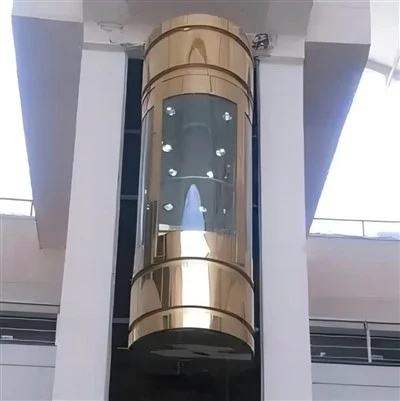
When it comes to modern building infrastructure, panoramic glass lifts have become a staple in many high - end commercial and residential buildings. As a supplier of Panoramic Glass Lift, I often get asked about various aspects of these lifts, and one question that frequently pops up is about the noise level inside a panoramic glass lift.
Understanding the Basics of Noise in Lifts
Noise in lifts is a complex issue that can be influenced by multiple factors. In general, lift noise can be classified into mechanical noise, electrical noise, and aerodynamic noise. Mechanical noise is mainly generated by the moving parts of the lift system, such as the motor, gears, and pulleys. Electrical noise comes from the electrical components like the control system and the power supply. Aerodynamic noise is produced by the movement of the lift car through the hoistway, which causes air to flow around the car.


Noise in Panoramic Glass Lifts
Panoramic glass lifts, due to their unique design, have some specific noise - related characteristics. The use of glass in the lift car construction can have both positive and negative impacts on noise levels.
On one hand, glass is a relatively smooth material, which can reduce aerodynamic noise to some extent. When the lift is moving, the air flows more smoothly over the glass surface compared to a rough or textured material. This means that the whistling or buffeting sounds that can be generated by air hitting an uneven surface are minimized.
On the other hand, glass is a good conductor of sound. This means that external noise from the hoistway, such as the noise of the machinery and the movement of cables, can more easily penetrate the glass and enter the lift car. However, modern panoramic glass lifts are designed with advanced sound - insulation technologies to counteract this effect.
Factors Affecting Noise Levels in Panoramic Glass Lifts
- Lift Speed: One of the most significant factors affecting noise levels is the speed of the lift. As the lift speed increases, the aerodynamic forces acting on the lift car also increase. This leads to higher levels of aerodynamic noise. For example, a high - speed panoramic glass lift traveling at 6 meters per second will generate more noise than a slow - speed lift traveling at 1 meter per second.
- Lift Size and Shape: The size and shape of the lift car can also influence noise levels. A larger lift car has a larger surface area for the air to flow over, which can increase aerodynamic noise. Additionally, an irregularly shaped lift car may cause the air to flow in a more turbulent manner, resulting in higher noise levels. For instance, a Circular Panoramic Elevator may have different noise characteristics compared to a rectangular - shaped panoramic glass lift due to its unique shape.
- Sound - Insulation Materials: The quality and type of sound - insulation materials used in the lift car construction play a crucial role in determining the noise level inside the lift. High - quality insulation materials can effectively block external noise from entering the lift car. These materials are often placed between the glass and the interior of the lift car, as well as in the walls and ceiling of the car.
- Maintenance and Installation: Proper maintenance and installation are essential for keeping noise levels in check. A poorly installed lift may have loose components or misaligned parts, which can generate additional noise. Regular maintenance can ensure that all moving parts are in good condition and that the sound - insulation materials are intact.
Measuring Noise Levels in Panoramic Glass Lifts
Noise levels in lifts are typically measured in decibels (dB). The acceptable noise level inside a lift car is usually around 40 - 50 dB, which is similar to the noise level in a quiet library. To measure the noise level, a sound level meter is used. The measurement is usually taken at the center of the lift car with the lift in motion.
Comparing with Other Types of Lifts
When compared to other types of lifts, such as Home Capsule Lift, panoramic glass lifts may have different noise profiles. Home capsule lifts are often smaller and slower, which generally results in lower noise levels. However, panoramic glass lifts are designed to provide a more open and spacious feel, and with proper sound - insulation, the noise levels can be kept within an acceptable range.
Reducing Noise Levels in Panoramic Glass Lifts
As a supplier, we are constantly working on improving the design and technology of our panoramic glass lifts to reduce noise levels. Some of the methods we use include:
- Advanced Sound - Insulation Glass: We use specially designed glass with multiple layers and sound - absorbing properties. This type of glass can effectively block external noise while still maintaining the transparency and aesthetic appeal of the lift.
- Quiet - Running Motors: Our lifts are equipped with high - efficiency, quiet - running motors. These motors are designed to minimize mechanical noise and vibration.
- Aerodynamic Design: We optimize the shape of the lift car to reduce aerodynamic drag and noise. This includes using smooth curves and rounded edges to allow the air to flow more smoothly around the car.
The Importance of Low Noise Levels
Low noise levels in panoramic glass lifts are not just about comfort. They also contribute to the overall user experience. In a commercial building, a quiet lift can create a more professional and sophisticated atmosphere. In a residential building, it can enhance the quality of life for the residents. Moreover, low noise levels are also an important factor in meeting building codes and regulations.
Conclusion
In conclusion, the noise level inside a panoramic glass lift is influenced by a variety of factors, including lift speed, size and shape, sound - insulation materials, and maintenance. While glass can pose some challenges in terms of sound transmission, modern technology and design solutions can effectively reduce noise levels. As a Panoramic Glass Lift supplier, we are committed to providing high - quality lifts with low noise levels to meet the needs of our customers.
If you are interested in our panoramic glass lifts or have any questions about noise levels or other aspects of our products, we encourage you to contact us for a detailed discussion. We are more than happy to assist you in finding the perfect lift solution for your building.
References
- ASME A17.1 - Safety Code for Elevators and Escalators
- ISO 18064:2017 - Lifts (elevators) — Passenger and goods passenger lifts — Noise measurement in the car and machine room