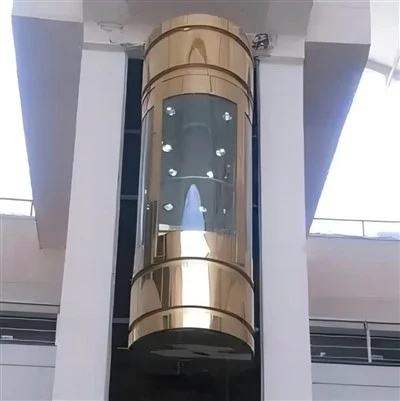
What is the noise level of a freight elevator?
As a supplier of freight elevators, I often encounter inquiries about the noise levels of our products. Noise is a crucial factor, especially in environments where the elevator operates near workspaces, living areas, or areas requiring a quiet atmosphere. In this blog, I'll delve into the noise levels of freight elevators, the factors influencing them, and how we at [Our Company] strive to minimize noise for our customers.
Understanding Noise Levels in Freight Elevators
Noise in a freight elevator is typically measured in decibels (dB). A decibel is a unit used to express the ratio of one value of a physical property to another on a logarithmic scale. In the context of elevators, the noise level can vary depending on several factors, including the type of elevator, its design, and the components used.
On average, a standard freight elevator can produce noise levels ranging from 60 to 80 dB when in operation. To put this into perspective, normal conversation typically occurs at around 60 dB, while a vacuum cleaner operates at about 70 dB. At the higher end of the scale, 80 dB is comparable to the noise level of a busy city street.
Factors Affecting the Noise Level
1. Motor and Drive System
The motor and drive system are the heart of any elevator. In freight elevators, these components are often more powerful than those in passenger elevators to handle the heavier loads. High - torque motors and complex drive systems can generate significant noise, especially if they are not properly maintained. For example, a worn - out motor bearing can cause a loud, grinding noise. Modern, well - designed motor and drive systems, such as those in our Freight Tech Elevator, are engineered to operate more quietly by using advanced insulation and vibration - dampening technologies.
2. Counterweight and Rope System
The counterweight and rope system play a vital role in the operation of a freight elevator. As the elevator moves up and down, the ropes and counterweight interact with various components, such as pulleys and guides. Any misalignment or wear in these parts can lead to increased noise. For instance, if the ropes are not properly tensioned, they can create a rattling or slapping sound as they move over the pulleys. Regular maintenance and inspection of the counterweight and rope system can help keep noise levels in check.
3. Cabin Design
The design of the elevator cabin can also impact the noise level. A poorly designed cabin may allow noise from the motor and other mechanical components to penetrate inside. Additionally, the materials used in the cabin construction can either absorb or reflect sound. Our Goods And Passenger Lift and Goods Passenger Lift models feature cabins with sound - insulating materials that help reduce the noise level inside the cabin, providing a more comfortable environment for operators and passengers.
4. Shaft and Hoistway Conditions
The shaft and hoistway in which the elevator operates can contribute to noise. If the shaft walls are not properly lined or if there are loose objects or debris inside, they can cause echoing and additional noise. Moreover, air movement within the shaft can create a whistling or rushing sound. Ensuring that the shaft is well - maintained and properly designed can help minimize these noise sources.
How We Minimize Noise in Our Freight Elevators
At [Our Company], we are committed to providing our customers with freight elevators that operate quietly and efficiently. Here are some of the measures we take:


1. Advanced Technology
We invest in the latest elevator technology to reduce noise. Our motor and drive systems are designed with noise - reduction features, such as low - noise bearings and advanced control algorithms. These technologies help to minimize the vibrations and noise generated during operation.
2. Quality Components
We use high - quality components in our elevator construction. From the ropes and pulleys to the cabin materials, we select components that are known for their durability and low - noise performance. This not only reduces the noise level but also ensures the long - term reliability of our elevators.
3. Sound Insulation
We incorporate sound - insulating materials in the elevator cabin and shaft design. These materials absorb and dampen the sound, preventing it from spreading to the surrounding areas. Our engineers carefully select the insulation materials based on their acoustic properties and performance.
4. Rigorous Testing
Before our elevators are delivered to customers, they undergo rigorous testing to ensure that they meet our strict noise - level standards. We use specialized equipment to measure the noise levels at different operating conditions and make any necessary adjustments to ensure optimal performance.
The Importance of Low - Noise Freight Elevators
Low - noise freight elevators are essential in many applications. In industrial settings, where workers are exposed to noise for extended periods, excessive elevator noise can contribute to hearing loss and other health problems. By providing low - noise elevators, we help create a safer and more comfortable working environment.
In commercial buildings, such as shopping malls and hotels, a quiet elevator is crucial for the overall customer experience. Noisy elevators can be a nuisance to customers and may even affect the reputation of the business. Our low - noise freight elevators, such as the Goods Passenger Lift, are designed to blend seamlessly into the building environment without causing any disturbance.
Contact Us for Your Freight Elevator Needs
If you are in the market for a freight elevator and are concerned about noise levels, we are here to help. Our team of experts can provide you with detailed information about our products and how they can meet your specific requirements. Whether you need a high - capacity freight elevator for an industrial facility or a more versatile Goods And Passenger Lift for a commercial building, we have the right solution for you.
Don't hesitate to contact us to discuss your freight elevator needs. We look forward to working with you to provide a quiet, reliable, and efficient elevator solution.
References
- "Elevator Technology Handbook", [Author's Name], [Publication Year]
- "Noise Control in Building Services", [Author's Name], [Publication Year]
- Industry standards and guidelines related to elevator noise levels.