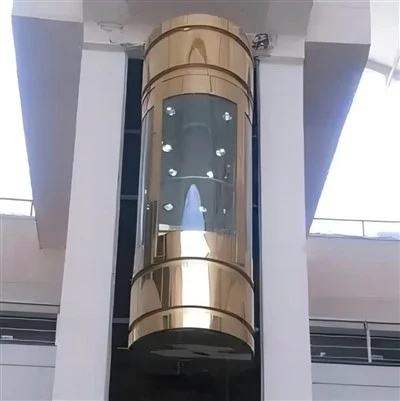
In the dynamic healthcare environment, the role of hospital bed elevators extends far beyond mere transportation. These elevators are integral to patient care, ensuring seamless movement of patients on beds or stretchers between different floors of a hospital. As a dedicated Hospital Bed Elevator supplier, we understand the critical importance of noise reduction in these elevators. This blog post delves into the noise reduction technologies employed in hospital bed elevators, highlighting their significance and how they contribute to a better healthcare experience.
The Importance of Noise Reduction in Hospital Bed Elevators
Hospitals are places where patients are in a vulnerable state, often in need of rest and quiet for recovery. Excessive noise from elevators can disrupt patients' sleep, increase stress levels, and even have a negative impact on their healing process. Moreover, a noisy elevator can also be a source of distraction for medical staff, potentially affecting their concentration and decision - making abilities. Therefore, noise reduction in hospital bed elevators is not just a luxury but a necessity.
Common Sources of Noise in Hospital Bed Elevators
Before exploring the noise reduction technologies, it is essential to understand the common sources of noise in hospital bed elevators. These include:
- Mechanical Components: The motor, gears, and pulleys in the elevator system generate noise during operation. The friction between moving parts, especially in older or poorly maintained elevators, can result in loud and unpleasant sounds.
- Airflow: As the elevator car moves up and down the shaft, it creates airflow. Turbulent airflow can cause whistling or rattling noises, which can be quite disturbing.
- Doors: The opening and closing of elevator doors can also be a significant source of noise. Slamming doors or doors that do not close smoothly can create a loud bang.
Noise Reduction Technologies
1. Advanced Motor Design
The motor is the heart of the elevator system, and its design plays a crucial role in noise reduction. Modern hospital bed elevators are often equipped with permanent - magnet synchronous motors (PMSMs). These motors have several advantages over traditional induction motors.
PMSMs operate more quietly because they have fewer moving parts and less friction. They use permanent magnets instead of electromagnets, which reduces the amount of electrical noise generated. Additionally, PMSMs are more energy - efficient, which means they can run at lower speeds while still providing the necessary power, further reducing noise levels.
2. Vibration Isolation
Vibration is a major contributor to noise in elevators. To minimize vibration, hospital bed elevators are designed with advanced vibration isolation systems. These systems typically use rubber or spring mounts to separate the elevator car and its components from the building structure.
By isolating the elevator from the building, vibrations are absorbed and prevented from being transmitted to the surrounding environment. This not only reduces noise but also improves the overall ride quality of the elevator. For example, the elevator car can be mounted on a floating platform that is suspended by vibration - dampening springs. This platform moves independently of the building, reducing the impact of vibrations caused by the elevator's movement.
3. Airflow Management
To address the noise caused by airflow, hospital bed elevators are designed with aerodynamic features. The elevator car is often streamlined to reduce turbulence as it moves through the shaft. Additionally, air vents and ducts are strategically placed to control the airflow and minimize noise.
Some elevators also use air - curtain systems at the entrance of the elevator car. These systems create a barrier of air that helps to reduce the amount of air rushing into and out of the car when the doors open and close, thereby reducing noise.
4. Quiet Door Systems
The design of the elevator doors has a significant impact on noise levels. Modern hospital bed elevators are equipped with soft - closing doors. These doors are designed to close slowly and smoothly, eliminating the loud bang associated with traditional doors.
The door mechanisms are also designed to minimize friction and noise. For example, the rollers and tracks are made of high - quality materials that reduce wear and tear and operate quietly. Additionally, some door systems use sensors to detect obstacles and adjust the closing speed accordingly, further enhancing safety and reducing noise.
5. Soundproofing Materials
Soundproofing materials are used throughout the elevator car and shaft to absorb and block noise. Inside the elevator car, the walls, ceiling, and floor are lined with sound - absorbing materials such as fiberglass insulation or acoustic panels. These materials help to reduce the noise generated inside the car and prevent it from escaping.
In the elevator shaft, soundproofing materials are also installed on the walls to reduce the transmission of noise between floors. The use of these materials can significantly improve the acoustic environment in the hospital.
Real - World Benefits of Noise Reduction Technologies
The implementation of noise reduction technologies in hospital bed elevators offers several real - world benefits.
- Improved Patient Experience: Patients can rest more comfortably without being disturbed by elevator noise. This can contribute to a faster recovery process and a more positive perception of the hospital.
- Enhanced Staff Efficiency: Medical staff can focus better on their work without the distraction of noisy elevators. This can lead to improved decision - making and patient care.
- Compliance with Standards: Many healthcare facilities have strict noise regulations. By using elevators with advanced noise reduction technologies, hospitals can ensure compliance with these standards.
Conclusion
As a Hospital Bed Elevator supplier, we are committed to providing elevators that not only meet the functional requirements of hospitals but also contribute to a quiet and peaceful healthcare environment. The noise reduction technologies discussed in this blog post are just some of the ways we achieve this goal.
If you are in the market for a Hospital Stretcher Elevator, Hospital Bed Lift, or Bed Lift In Hospital, we invite you to contact us for a consultation. Our team of experts can help you select the right elevator with the most appropriate noise reduction technologies for your specific needs. Let us work together to create a better healthcare experience for patients and staff alike.


References
- "Elevator Design and Installation Standards", National Elevator Industry, Inc.
- "Noise Control in Healthcare Facilities", American Society for Healthcare Engineering.
- "Advances in Elevator Technology", Journal of Elevator Engineering.