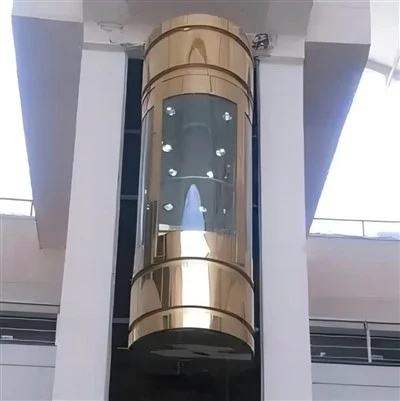
In the dynamic environment of a hospital, every piece of equipment plays a crucial role in ensuring the well - being of patients and the efficient operation of medical services. Among them, the hospital stretcher lift is an essential device that facilitates the smooth transportation of patients on stretchers between different floors. However, the noise generated by these lifts can be a significant concern, as excessive noise can disrupt the calm and quiet atmosphere required for patient recovery and medical procedures. In this blog, as a hospital stretcher lift supplier, I will delve into the noise reduction technologies used in hospital stretcher lifts.
The Importance of Noise Reduction in Hospital Stretcher Lifts
Hospitals are places where patients are in a vulnerable state. A quiet environment is conducive to patient rest, reduces stress, and can even have a positive impact on the recovery process. Excessive noise from stretcher lifts can cause discomfort to patients, interfere with medical staff's communication, and disrupt the overall hospital environment. Moreover, in some specialized departments such as intensive care units and operating theaters, even the slightest noise can be a distraction and potentially affect the quality of medical care. Therefore, noise reduction in hospital stretcher lifts is not just about comfort; it's a matter of patient care and the proper functioning of the hospital.
Common Sources of Noise in Hospital Stretcher Lifts
Before exploring the noise reduction technologies, it's essential to understand the common sources of noise in hospital stretcher lifts.
- Machine Room Equipment
- The motor is the heart of the lift system. When the motor operates, it generates mechanical vibrations and electromagnetic noise. The gears and pulleys in the machine room also produce noise due to friction and meshing during operation.
- Guide Rail and Car Movement
- As the lift car moves along the guide rails, there can be noise caused by the contact between the car's guide shoes and the rails. Imperfections in the rail surface or misalignment can exacerbate this noise. Additionally, the movement of the car itself, including the opening and closing of doors, can generate noise.
- Hoisting Cable Noise
- The hoisting cables can produce noise due to their movement, especially when they are under tension and experience vibrations during the lift's operation.
Noise Reduction Technologies
1. Advanced Motor Design
- Brushless DC Motors: These motors have several advantages over traditional brushed motors. They operate more quietly because they do not have the mechanical brushes that cause friction and sparking, which are significant sources of noise. Brushless DC motors also have better speed control and efficiency, which can further reduce the overall noise level of the lift system.
- Motor Enclosures: Special enclosures are designed to isolate the motor from the surrounding environment. These enclosures are made of sound - absorbing materials such as acoustic foam or fiberglass. They can effectively reduce the transmission of motor noise to the lift shaft and the hospital environment.
2. Guide Rail and Car Improvements
- High - Precision Guide Rails: Using high - precision manufacturing techniques for guide rails can ensure a smooth surface. This reduces the noise caused by the contact between the guide shoes and the rails. Additionally, the installation of the guide rails is carefully calibrated to ensure proper alignment, minimizing any additional noise due to misalignment.
- Silent Guide Shoes: The guide shoes of the lift car are equipped with special materials and designs to reduce noise. For example, some guide shoes use rubber or polyurethane components that can absorb vibrations and reduce the impact noise when the car moves along the rails.
- Sound - Insulated Car Cabin: The interior of the lift car is lined with sound - absorbing materials. This includes materials on the walls, ceiling, and floor of the car. These materials can absorb the noise generated within the car, such as the noise from the ventilation system or the movement of the doors. The car doors are also designed with noise - reducing features, such as rubber gaskets that seal the doors tightly and prevent noise from entering or exiting the car.
3. Cable Management
- Anti - Vibration Cable Clamps: Special cable clamps are used to hold the hoisting cables in place. These clamps are designed to reduce cable vibrations by providing a stable support. They can dampen the vibrations transmitted through the cables, thus reducing the cable - related noise.
- Cable Coating: Some hospital stretcher lifts use cables with a special coating. This coating can reduce friction between the cables and the pulleys, as well as minimize the noise generated during cable movement.
4. Control System Optimization
- Soft - Start and Soft - Stop Technology: The lift's control system is programmed to use soft - start and soft - stop functions. Instead of a sudden acceleration or deceleration, the lift gradually increases or decreases its speed. This reduces the mechanical stress on the system components and minimizes the noise associated with rapid changes in motion.
- Intelligent Noise Monitoring and Adjustment: Some advanced lift systems are equipped with sensors that can monitor the noise level in real - time. Based on the monitored data, the control system can adjust the operation parameters of the lift, such as the speed and acceleration, to optimize the noise level.
Our Hospital Stretcher Lifts and Noise Reduction
As a hospital stretcher lift supplier, we are committed to providing high - quality lifts with excellent noise reduction performance. Our products incorporate the latest noise reduction technologies mentioned above.
Our Hospital Stretcher Elevator models are designed with state - of - the - art motor technology and sound - absorbing enclosures. The guide rails are precision - engineered, and the guide shoes are made of noise - reducing materials to ensure a smooth and quiet ride.
Our Bed Elevator in Hospital range also focuses on providing a quiet environment for patients. The car cabins are sound - insulated, and the cable management systems are optimized to minimize noise.


Similarly, our Hospital Bed Elevator products are equipped with intelligent control systems that can adjust the lift's operation to maintain low noise levels.
Contact Us for Procurement
If you are a hospital administrator, architect, or anyone involved in the procurement of hospital equipment, we invite you to consider our hospital stretcher lifts. Our products not only meet the highest standards of noise reduction but also ensure reliability, safety, and efficiency. We understand the unique needs of hospitals and are dedicated to providing customized solutions. Contact us for more information on our products and to discuss your specific requirements. We look forward to the opportunity to be your trusted supplier of hospital stretcher lifts.
References
- Osaka, H., & Todd, T. World Health Organization guidelines for community noise. 2018.
- Leung, K. S., & Lee, S. C. Design of noise control for building services equipment. Building and Environment, 2001.
- Clarke, J. A. The control of noise and vibration in buildings, noise control in buildings. Elsevier, 2002.