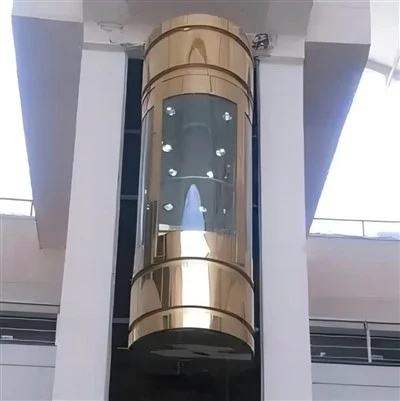
When it comes to establishing or renovating a museum, one crucial element that often requires careful consideration is the installation of a passenger lift. Museums typically have multiple floors to showcase diverse collections, and a passenger lift not only enhances accessibility but also contributes to the overall visitor experience. As a supplier specializing in passenger lift pricing, I'm here to shed light on the factors that influence the cost of a passenger lift for a museum and provide a comprehensive overview of what you can expect.
Factors Affecting the Price of a Passenger Lift for a Museum
1. Lift Type
There are various types of passenger lifts available in the market, each with its own set of features and price range.
- External Passenger Lift: External lifts are a popular choice for museums, especially those in historical buildings where preserving the interior architecture is a priority. These lifts are installed on the exterior of the building, minimizing disruption to the museum's interior. You can learn more about External Passenger Lift. The price of an external passenger lift can vary depending on factors such as the lift's capacity, the height it needs to travel, and the materials used for construction. Generally, external lifts tend to be more expensive due to the additional engineering and design requirements to ensure they blend seamlessly with the building's exterior.
- Machine Room Passenger Elevator: Traditional machine room elevators have a separate room dedicated to housing the lift's machinery. This type of lift is a reliable and cost - effective option for many museums. You can find more details about Machine Room Passenger Elevator. The price of a machine room passenger elevator is influenced by factors such as the size of the machine room, the complexity of the control system, and the lift's speed. Smaller museums with lower traffic volumes may find machine room elevators to be a more budget - friendly choice.
2. Lift Capacity
The capacity of a passenger lift is measured in terms of the number of people it can carry safely. Museums with high visitor traffic will require lifts with larger capacities. A lift with a lower capacity, say for 4 - 6 passengers, will be less expensive than a lift designed to carry 15 - 20 passengers. The higher the capacity, the larger the cabin size, and more powerful the lift's motor and control systems need to be, which in turn increases the cost.
3. Lift Speed
The speed of the lift is another important factor. For larger museums with multiple floors, a faster lift may be necessary to ensure efficient transportation of visitors. However, faster lifts require more advanced technology and more powerful motors, which can significantly increase the price. A slow - speed lift suitable for a two - or three - story museum will be less expensive compared to a high - speed lift for a multi - story museum.
4. Safety Features
Safety is of utmost importance in a museum lift. Advanced safety features such as emergency stop buttons, fire - resistant materials, and anti - fall devices are standard requirements. However, some museums may require additional safety features such as earthquake - resistant systems or advanced door sensors. The more comprehensive the safety features, the higher the cost of the lift.
5. Aesthetic and Design Requirements
Museums are often architectural landmarks, and the lift needs to blend in with the overall design of the building. Custom - designed cabins with high - end finishes, such as marble flooring, wood paneling, and artistic lighting, can add to the cost. The exterior of the lift, especially if it is an external lift, also needs to be aesthetically pleasing and in harmony with the building's facade.
6. Energy Efficiency
In today's environmentally conscious world, energy - efficient passenger elevators are becoming increasingly popular. Energy - efficient Passenger Elevators use advanced technologies such as regenerative drives and LED lighting to reduce energy consumption. While these lifts may have a higher upfront cost, they can result in significant long - term savings on energy bills. Museums that are committed to sustainability may find the investment in energy - efficient lifts worthwhile.
Price Range
It's difficult to provide an exact price for a museum passenger lift as the cost can vary widely depending on the factors mentioned above. However, as a general guideline, a basic machine room passenger lift with a capacity of 8 passengers and a travel height of up to 10 meters may cost anywhere from $30,000 to $50,000. A more advanced external passenger lift with a larger capacity, higher speed, and custom - designed features can cost upwards of $100,000 or more.
For museums with very specific requirements, such as those in historical buildings with strict preservation guidelines or those requiring state - of - the - art technology, the cost can be even higher. It's important to note that these prices do not include installation, maintenance, and any additional fees for permits and inspections.


Installation and Maintenance Costs
The installation cost of a passenger lift can vary depending on the complexity of the project. Installation in an existing building may require more work, such as structural modifications, which can increase the cost. On average, installation costs can range from 20% to 30% of the lift's purchase price.
Maintenance is an ongoing cost that should not be overlooked. Regular maintenance is essential to ensure the safe and efficient operation of the lift. Maintenance contracts typically cost between $1,500 and $3,000 per year, depending on the type and size of the lift.
Why Choose Our Passenger Lift Pricing Services
As a supplier of passenger lift pricing, we have a wealth of experience in the industry. We understand the unique requirements of museums and can provide customized solutions based on your specific needs. Our team of experts will work closely with you to assess your requirements, recommend the most suitable lift type, and provide a detailed cost breakdown.
We also offer competitive pricing without compromising on quality. Our network of trusted manufacturers ensures that you get high - quality lifts with the latest technology and safety features. In addition, we can assist you with the installation process and connect you with reliable maintenance service providers.
Contact Us for a Quote
If you are a museum owner, architect, or project manager looking to install a passenger lift, we invite you to contact us for a detailed quote. Our team will be happy to answer any questions you may have and guide you through the process of selecting the right lift for your museum. Whether you have a small local museum or a large international institution, we have the expertise to meet your needs.
References
- "Elevator and Escalator Handbook" by Joseph J. Cappola.
- Industry reports from leading elevator manufacturers and associations.