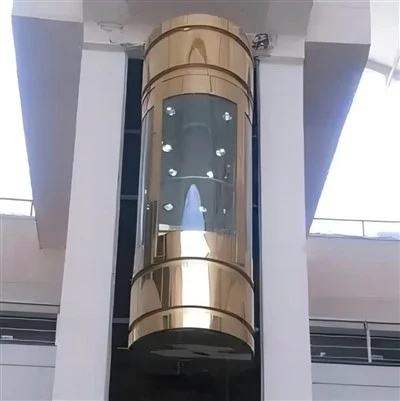
Hey there! I'm in the business of supplying hospital elevators, and let me tell you, the process for inspecting these crucial machines is super important. Hospital elevators, like Hospital Stretcher Elevator and Hospital Bed Elevator, are used to transport patients, medical staff, and equipment, so they need to be in top-notch condition at all times.
Pre - inspection Preparation
Before we even step foot in the hospital to start the inspection, there's a whole lot of prep work that goes down. First off, we gather all the necessary documents. This includes the elevator's maintenance history, which can tell us a ton about what kind of issues it might have faced in the past and how well it's been maintained. We also look at the installation blueprints. These blueprints show us the exact layout of the elevator system, including things like the shaft dimensions, the location of electrical components, and the type of hoistway used.
We also have to make sure we've got all the right tools and equipment. This ranges from basic hand tools like wrenches and screwdrivers to more specialized instruments. For example, we use a laser level to check if the elevator car is perfectly horizontal. This is crucial because an uneven car can cause discomfort to patients and could potentially lead to more serious problems down the line.


Another important part of the pre - inspection is scheduling. We need to work with the hospital staff to find a time that's least disruptive to patient care and hospital operations. Usually, we try to do inspections during off - peak hours, like late at night or early in the morning.
Visual Inspection
Once we're at the hospital and it's time to start the inspection, the first thing we do is a visual check. This might seem simple, but it can uncover a lot of potential problems.
We start by looking at the elevator doors. We check for any signs of damage, like dents, scratches, or loose parts. A damaged door can be a safety hazard, as it might not close properly or could even come off its tracks. We also examine the door sensors. These sensors are what stop the doors from closing if there's an object in the way. If they're dirty or malfunctioning, it could lead to the doors closing on someone or something.
Next, we move on to the elevator car interior. We look at the walls and ceiling for any signs of water damage, which could indicate a leak in the hoistway or another part of the system. We also check the lighting. Dim or malfunctioning lights can make it difficult for passengers to see, especially if they're in a hurry or if they're carrying something. And of course, we make sure the emergency buttons and intercoms are working properly. These are the lifelines in case something goes wrong inside the elevator.
We also take a look at the control panel. We check that all the buttons are responsive and that the display shows the correct floor numbers. A faulty control panel can be really confusing for users and might even prevent the elevator from reaching the right floors.
Mechanical Inspection
After the visual inspection, we get into the mechanical part of the inspection. This is where we really start to dig deep into how the elevator works.
The first thing we check is the hoist ropes. These ropes are what lift and lower the elevator car, so they're incredibly important. We look for signs of wear and tear, like fraying or corrosion. If the ropes are in bad shape, they could break, which would be a major safety issue. We use special measuring tools to check the thickness of the ropes and make sure they're still within the safe limits.
The counterweight is another crucial component. The counterweight balances the weight of the elevator car, making it easier for the hoist motor to move the car up and down. We check that the counterweight is properly installed and that it's the correct weight for the elevator. If the counterweight is off, it can put extra stress on the hoist ropes and motor, which can lead to premature wear and potential breakdowns.
We also inspect the guide rails. These are the tracks that the elevator car runs along. We check for any signs of damage or misalignment. If the guide rails are damaged or out of alignment, the elevator car might shake or make strange noises as it moves, which can be a sign of a serious problem.
Electrical Inspection
The electrical system of a hospital elevator is just as important as the mechanical parts. We start by checking the power supply. We make sure that the elevator is getting the correct voltage and that there are no electrical shorts or other issues with the wiring. A power problem can cause the elevator to stop working suddenly or behave erratically.
We also examine the control system. This is the brain of the elevator, telling it when to go up, when to go down, and when to stop. We check all the relays, switches, and circuit boards to make sure they're functioning properly. Any malfunction in the control system can lead to the elevator not operating as it should.
The emergency lighting and backup power supply are also essential. In case of a power outage, the elevator should have enough power to safely reach the nearest floor and open the doors. We test the emergency lighting to make sure it comes on immediately when the power goes out and that it provides enough light for passengers to see.
Functionality Testing
Once we've completed the visual, mechanical, and electrical inspections, it's time to test how the elevator actually works.
We start by doing a series of normal trips up and down the elevator shaft. We pay close attention to how smoothly the elevator moves, whether it stops at the right floors, and if there are any strange noises or vibrations. A smooth - running elevator is a sign that everything is in good working order.
We also test the emergency braking system. We simulate an emergency situation by activating the brakes. The elevator should come to a quick and safe stop without any sudden jerks. If the emergency brakes don't work properly, it could be extremely dangerous for the passengers.
We also test the doors' opening and closing mechanisms. We make sure that the doors open and close smoothly and that they lock securely. We check that the door sensors are working correctly by placing an object in the doorway and making sure the doors stop closing.
Post - inspection Report
After we've completed all the inspections and tests, we put together a detailed report. This report includes all the findings from the inspection, including any issues that we've found, recommendations for repairs or maintenance, and a timeline for when these should be done.
We share this report with the hospital management team. They can then decide how to proceed based on our recommendations. Sometimes, small issues can be fixed right away, while more serious problems might require a more comprehensive repair or even replacement of certain components.
Why Regular Inspections Matter
Regular inspections of hospital elevators are crucial for a few reasons. First and foremost, they ensure the safety of the patients, medical staff, and visitors. A malfunctioning elevator can lead to injuries or even fatalities.
Secondly, regular inspections can help prevent breakdowns. By catching small problems early, we can fix them before they turn into major issues that could cause the elevator to stop working completely. This reduces downtime and ensures that the elevator is always available when it's needed.
Finally, proper maintenance and inspections can extend the lifespan of the elevator. Hospital elevators are a significant investment, and by taking good care of them, the hospital can get the most out of their money.
If you're in charge of a hospital or a healthcare facility and you're looking for a reliable hospital elevator supplier, feel free to reach out to discuss your needs. We've got a wide range of high - quality elevators, including Hospital Stretcher Elevator and Hospital Bed Elevator, and we'll make sure they're properly inspected and maintained to keep your patients and staff safe.
References
- Elevator Industry Field Safety and Health Handbook.
- National Elevator Industry, Inc. (NEII) Standards and Guidelines.
- Local building codes and regulations related to elevator safety.