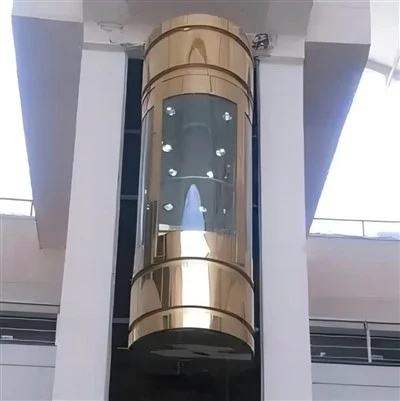
Warehouse elevator lifts are the workhorses of industrial facilities, facilitating the smooth movement of goods between different levels. As a reputable Warehouse Elevator Lift supplier, we understand the critical role these machines play in your operations. Regular maintenance is not just a recommendation; it's a necessity to ensure the safety, efficiency, and longevity of your warehouse elevator lift. In this blog, we'll explore the various types of maintenance required for a warehouse elevator lift and why they are so important.
Preventive Maintenance
Preventive maintenance is the cornerstone of keeping your warehouse elevator lift in top - notch condition. This type of maintenance involves regular inspections, cleaning, and lubrication to prevent potential problems before they occur.
Regular Inspections
Inspections should be carried out at least once a month, although high - usage elevators may require more frequent checks. A thorough inspection includes examining the mechanical components such as the hoist ropes, pulleys, and counterweights. The hoist ropes, for example, are under constant stress and can develop fraying or corrosion over time. Any signs of wear and tear on the ropes should be addressed immediately to avoid a catastrophic failure.
Electrical components also need careful scrutiny. Check the wiring for any signs of damage, loose connections, or overheating. Faulty electrical systems can lead to malfunctions, such as sudden stops or unexpected movements of the elevator lift. Additionally, inspect the control panels to ensure that all buttons and indicators are working correctly.
The safety devices are another crucial aspect of the inspection. These include limit switches, safety brakes, and emergency stop buttons. Limit switches prevent the elevator from over - traveling, while safety brakes are designed to stop the elevator in case of an emergency. Test these safety devices regularly to ensure they are in proper working order.
Cleaning
A clean elevator lift is not only more aesthetically pleasing but also functions better. Dust, dirt, and debris can accumulate in the elevator shaft, on the moving parts, and in the control panels. This buildup can cause mechanical components to wear out faster and can also interfere with the electrical systems.
Clean the elevator car interior regularly, removing any spills or debris. Wipe down the control panels and buttons to keep them clean and responsive. In the elevator shaft, use a vacuum or compressed air to remove dust and dirt from hard - to - reach areas. Pay special attention to the guide rails, as any debris on these can affect the smooth movement of the elevator.


Lubrication
Proper lubrication is essential for the smooth operation of the mechanical components in a warehouse elevator lift. The hoist ropes, pulleys, and bearings all require regular lubrication to reduce friction and wear. Use a high - quality lubricant recommended by the elevator manufacturer.
Over - lubrication can be just as problematic as under - lubrication. Too much lubricant can attract dust and debris, which can lead to clogging and increased wear. Follow the manufacturer's guidelines on the frequency and amount of lubrication required for each component.
Corrective Maintenance
Despite the best preventive maintenance efforts, issues may still arise with your warehouse elevator lift. Corrective maintenance is the process of fixing these problems as soon as they are detected.
Identifying Problems
Monitoring the elevator's performance is key to identifying problems early. Look out for signs such as unusual noises, vibrations, or changes in speed. If the elevator is making a grinding noise, it could indicate a problem with the gears or bearings. Vibrations may be a sign of misaligned components or worn - out parts.
Keep a log of any issues or malfunctions that occur. This log can be useful for maintenance technicians to diagnose the problem and determine the best course of action.
Repairing or Replacing Parts
Once a problem has been identified, the next step is to repair or replace the faulty parts. For minor issues, such as a loose connection or a worn - out belt, the repair may be relatively straightforward. However, more complex problems, such as a damaged hoist motor or a malfunctioning control system, may require the expertise of a professional elevator technician.
When replacing parts, it's important to use high - quality, genuine parts that are compatible with your elevator lift. Using sub - standard parts can lead to further problems and may void the elevator's warranty.
Predictive Maintenance
Predictive maintenance is an advanced approach that uses data and analytics to predict when maintenance is required. This approach can help you schedule maintenance more effectively, reducing downtime and costs.
Data Collection
Install sensors on the elevator lift to collect data on various parameters, such as temperature, vibration, and power consumption. These sensors can provide real - time information about the elevator's performance and health.
The data collected can be analyzed using specialized software to identify patterns and trends. For example, an increase in temperature in the hoist motor may indicate a potential problem, such as overloading or a malfunctioning cooling system.
Predictive Analytics
Based on the data analysis, predictive analytics can be used to forecast when a component is likely to fail. This allows you to schedule maintenance in advance, replacing parts before they cause a breakdown.
Predictive maintenance can also help you optimize your maintenance schedule. Instead of performing maintenance at fixed intervals, you can perform it when it's actually needed, based on the elevator's condition.
Importance of Maintenance
Regular maintenance of your warehouse elevator lift offers several benefits. Firstly, it enhances safety. A well - maintained elevator is less likely to experience malfunctions or breakdowns, reducing the risk of accidents and injuries to your employees.
Secondly, maintenance improves the efficiency of the elevator lift. By keeping the mechanical and electrical components in good condition, the elevator can operate at its optimal speed and capacity, reducing the time it takes to move goods between levels.
Finally, maintenance extends the lifespan of the elevator lift. Replacing worn - out parts and addressing problems early can prevent further damage and ensure that the elevator continues to function properly for many years.
Types of Warehouse Elevator Lifts and Their Maintenance Considerations
There are different types of warehouse elevator lifts, each with its own unique maintenance requirements.
Freight Tech Elevator
The Freight Tech Elevator is designed for heavy - duty applications. It typically has a larger capacity and more robust construction compared to other types of elevator lifts. Maintenance for a Freight Tech Elevator should focus on the heavy - duty components, such as the high - capacity hoist ropes and powerful motors. Regularly check the load - bearing capacity of the elevator and ensure that it is not being overloaded, as this can cause excessive wear on the components.
Traction Freight Elevator
The Traction Freight Elevator uses a system of ropes and pulleys to move the elevator car. Maintenance for this type of elevator involves special attention to the hoist ropes and the traction sheave. The hoist ropes should be inspected for wear and tension regularly, and the traction sheave should be cleaned and lubricated to ensure smooth operation.
Utility Elevator
The Utility Elevator is often used for lighter loads and in smaller warehouses. While it may not have the same heavy - duty components as the other types, it still requires regular maintenance. Check the door mechanisms, as they are used frequently and can develop problems over time. Also, ensure that the leveling system is accurate to prevent uneven loading and damage to the elevator car.
Conclusion
Maintaining a warehouse elevator lift is a complex but essential task. By implementing a comprehensive maintenance program that includes preventive, corrective, and predictive maintenance, you can ensure the safety, efficiency, and longevity of your elevator lift. As a Warehouse Elevator Lift supplier, we are committed to providing you with the highest - quality products and the support you need to keep your elevator running smoothly.
If you are in the market for a new warehouse elevator lift or need assistance with maintenance, we invite you to contact us for a consultation. Our team of experts is ready to help you find the best solution for your specific needs.
References
- Elevator Maintenance Handbook, Industry Standard Publications
- Guide to Warehouse Equipment Maintenance, Logistics Research Institute