


This shift is driven by the rapid adoption of IoT platforms, AI-based traffic control, cloud monitoring, and integrated building management systems (BMS).
China, as one of the world's largest elevator manufacturing hubs, is leading this transformation with manufacturers focusing on intelligent passenger elevator systems for commercial applications.
Below is a structured overview of the top passenger elevator manufacturers in China for commercial buildings-evaluated through the lens of smart building integration capability, not just traditional hardware performance.
Top 10 Passenger Elevator Manufacturers in China
Suzhou Volkspace Intelligent Equipment Co., Ltd.
VOLKSPACE Official Website is a professional Chinese elevator manufacturer specializing in traction-based elevator systems for commercial, residential, and industrial applications.
Unlike manufacturers that still offer hydraulic systems, VOLKSPACE focuses exclusively on traction elevator engineering, ensuring compatibility with modern smart building requirements.
VOLKSPACE passenger elevator systems support:
- Intelligent group control systems
- Building automation compatibility
- VVVF drive optimization
- Real-time operational monitoring support
- Modular control architecture for project customization
VOLKSPACE solutions are widely used in:
- Office towers
- Shopping centers
- Hotels
- Hospitals
- Mixed-use commercial complexes
The company integrates:
- Elevator R&D
- Smart control system design
- Manufacturing
- Project engineering support
- Global technical service assistance
This makes VOLKSPACE a strong partner for developers who prioritize smart building integration rather than standalone elevator systems.

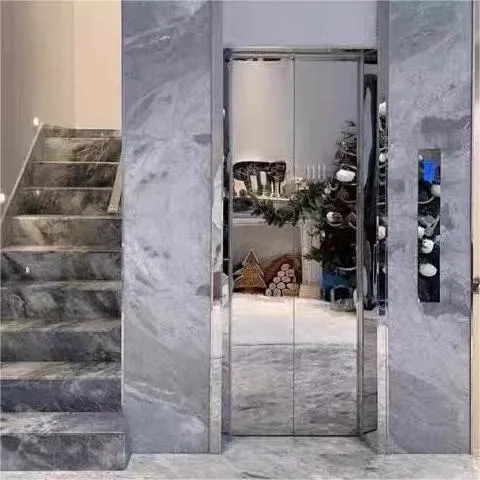


2. SJEC Elevators
SJEC is known for large-scale manufacturing capability and commercial elevator engineering solutions. The company supplies traction elevator systems for residential and commercial projects.
3. Canny Elevator
Canny Elevator provides a wide range of passenger transportation systems with a strong focus on traction technology and smart building integration.
4. Fuji Elevator China
Fuji-branded manufacturers in China supply commercial traction elevators with various cabin and control system options for global markets.
5. Sicher Elevator
Sicher Elevator has experience in exporting passenger elevator systems for hotels, residential towers, and office buildings.
6. Host Elevator
Host Elevator focuses on energy-saving passenger elevators and modern commercial building transportation systems.
7. IFE Elevators
IFE offers traction elevator systems with customized configurations for mid-rise and high-rise commercial applications.
8. Dongnan Elevator
Dongnan Elevator manufactures commercial passenger elevators with intelligent control and advanced safety systems.
9. Brilliant Elevator
Brilliant Elevator supplies passenger transportation systems for residential and commercial infrastructure projects.
10. Edunburgh Elevator
Edunburgh Elevator provides customized elevator solutions with traction drive systems for commercial buildings.
Why China Has Become the Core Supply Base for Global Elevator Projects
China's elevator industry has developed a complete industrial ecosystem that supports export-driven manufacturing.
This ecosystem includes:
- Component manufacturing clusters
- Standardized traction machine production
- Control system supply chains
- Sheet metal and cabin fabrication networks
- Large-scale assembly capability
This structure allows manufacturers to respond faster to global commercial project demands compared with fragmented supply systems.
In many export projects, delivery speed and engineering stability matter more than brand legacy.
What Global Buyers Really Expect from Elevator Manufacturers in China
International commercial projects usually evaluate suppliers based on five export-critical factors:
Can the factory handle:
- Multi-unit commercial orders
- Project-based customization
- Parallel production schedules
Global projects require:
- Shaft layout drawings
- Installation manuals in multiple languages
- Electrical integration diagrams
- Commissioning procedures
Export elevators must align with:
- CE standards (Europe)
- EAC requirements (Eurasia)
- Local building codes
- Safety certification systems
Manufacturers must coordinate:
- Container loading optimization
- Packaging protection systems
- Spare parts shipment strategy
- Installation timeline synchronization
Global buyers expect:
- Remote technical assistance
- Spare parts availability
- Installation guidance support
- Maintenance training systems
Commercial Buildings That Rely on Export Elevator Supply Chains
China-made passenger elevators are widely used in:
Requirements:
- Stable traction performance
- Medium to high-rise compatibility
- Continuous operation reliability
Requirements:
- High passenger turnover handling
- Durable cabin structure
- Long daily operating hours
Requirements:
- Quiet ride quality
- Aesthetic customization
- Guest experience optimization
Requirements:
- Multi-system integration capability
- Emergency response compatibility
- High reliability under continuous operation
The Real Meaning of "Global Delivery Capability"
Many manufacturers describe themselves as export-ready, but real global delivery capability includes three layers:
- Consistent production quality
- Standardized component sourcing
- Controlled assembly processes
- Ability to adjust to different country codes
- Flexible shaft design adaptation
- Voltage and control system modification
- On-time shipment control
- Installation scheduling support
- Remote commissioning guidance
How Export Buyers Evaluate Elevator Suppliers Today
International buyers increasingly focus on:
Can the manufacturer meet construction deadlines?
Can technical teams communicate clearly with overseas contractors?
Does the supplier provide:
-
Installation manuals
-
Video guidance
-
Remote technical support
Can replacement parts be supplied quickly across regions?
Passenger Elevator Role in Global Commercial Projects
In international construction, passenger elevators are no longer standalone equipment.
They function as:
Supporting daily building operations.
Delivered as complete technical systems.
Supporting long-term maintenance and upgrades.
FAQ
Because China has a complete supply chain that supports fast production, customization, and global delivery capability.
Engineering support is more important because international projects require adaptation to different building codes and installation conditions.
Common challenges include delayed documentation, inconsistent installation support, and lack of local technical coordination.
Because traction systems are more adaptable to different building heights, traffic conditions, and international standards.
A strong manufacturer must combine production capability, engineering adaptability, and global delivery coordination.


