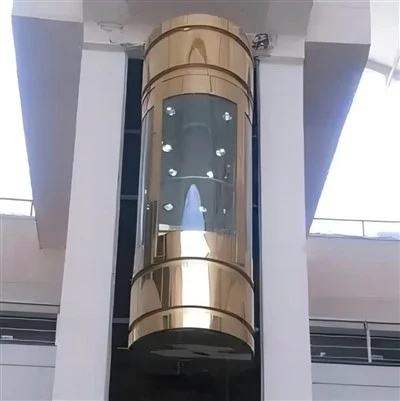
In recent years, the global push towards environmental sustainability has led industries across the board to re - evaluate their products and operations. As a supplier of electric passenger lifts, I've often been asked whether our products are environmentally friendly. In this blog, I'll delve into this question by examining various aspects of electric passenger lifts, including their energy consumption, manufacturing processes, and end - of - life management.
Energy Consumption
One of the primary factors in determining the environmental friendliness of electric passenger lifts is their energy consumption. Modern electric passenger lifts have come a long way in terms of energy efficiency. Traditional hydraulic lifts, for example, use a significant amount of energy to operate the hydraulic pump, which is required to raise and lower the lift car. In contrast, electric traction lifts are generally more energy - efficient. These lifts use electric motors to drive the hoisting ropes, and many of them are equipped with regenerative drives.
Regenerative drives are a game - changer when it comes to energy efficiency in electric passenger lifts. When the lift descends, the regenerative drive captures the potential energy that would otherwise be wasted as heat and converts it back into electricity. This electricity can then be fed back into the building's electrical grid or used to power other equipment in the building. According to a study by the Elevator World magazine, regenerative drives can reduce a lift's energy consumption by up to 30%.
Moreover, the latest models of electric passenger lifts are designed with intelligent control systems. These systems can analyze traffic patterns in a building and optimize the operation of the lifts accordingly. For instance, during off - peak hours, the lifts can be set to operate in a low - energy mode, reducing unnecessary energy consumption. By adjusting the speed, acceleration, and deceleration of the lift car, these intelligent systems can also ensure that the lift uses the least amount of energy while still providing a smooth and efficient service.
Manufacturing Processes
The environmental impact of electric passenger lifts also extends to their manufacturing processes. As a responsible supplier, we are committed to minimizing the environmental footprint of our manufacturing operations. We source our raw materials from sustainable suppliers who adhere to strict environmental standards. For example, the steel used in our lift structures is often recycled steel, which reduces the need for virgin steel production. Recycling steel requires significantly less energy compared to producing steel from iron ore, as well as reducing greenhouse gas emissions.
In addition, our manufacturing facilities are equipped with energy - efficient machinery and lighting systems. We have also implemented waste management programs to reduce, reuse, and recycle the waste generated during the manufacturing process. By minimizing waste and energy consumption in our manufacturing operations, we are able to reduce the overall environmental impact of our electric passenger lifts.
End - of - Life Management
When an electric passenger lift reaches the end of its useful life, proper end - of - life management is crucial to minimize its environmental impact. We offer a comprehensive end - of - life service for our electric passenger lifts. This includes the safe removal and disposal of the lift components. Many of the components, such as the steel structures, motors, and electrical components, can be recycled. Recycling these components not only reduces the amount of waste sent to landfills but also conserves natural resources.
We also work with specialized recycling companies to ensure that the materials are recycled in an environmentally friendly manner. These companies have the expertise and equipment to separate and process different types of materials, ensuring that they can be reused in the production of new products. By taking responsibility for the end - of - life management of our electric passenger lifts, we are able to close the loop and create a more sustainable product life cycle.
Comparing with Other Transportation Options
It's also worth comparing electric passenger lifts with other transportation options within a building. Stairs are often considered the most environmentally friendly option as they require no energy to use. However, for multi - story buildings, especially high - rise buildings, stairs are not a practical option for most people, especially those with mobility issues.
On the other hand, escalators are another common form of vertical transportation in buildings. While escalators are convenient, they generally consume more energy compared to electric passenger lifts, especially when they are running continuously. Electric passenger lifts, with their energy - saving features such as regenerative drives and intelligent control systems, can offer a more environmentally friendly alternative for vertical transportation in many cases.
The Role of Building Design
The environmental friendliness of electric passenger lifts can also be influenced by building design. For example, buildings with well - designed lift shafts can reduce the energy consumption of the lifts. A properly insulated lift shaft can prevent heat transfer, which means that the lift motor doesn't have to work as hard to maintain a stable temperature inside the lift car.
Furthermore, the layout of a building can affect the traffic patterns of the lifts. A well - designed building layout can minimize the distance that the lifts need to travel, reducing energy consumption. For instance, clustering the lift shafts in the center of a building can make it easier for passengers to access the lifts and reduce the overall travel distance of the lifts.
Conclusion
In conclusion, electric passenger lifts can be considered environmentally friendly, especially when compared to traditional hydraulic lifts and other forms of vertical transportation. With their energy - efficient features such as regenerative drives and intelligent control systems, sustainable manufacturing processes, and proper end - of - life management, electric passenger lifts have the potential to significantly reduce their environmental impact.
If you're interested in our Passengers Elevator, Automatic Passenger Elevator, or High - rise Passenger Elevators, we invite you to contact us for more information. We are more than happy to discuss your specific requirements and provide you with a customized solution that meets both your needs and environmental goals.


References
- Elevator World magazine, "Energy - Saving Technologies in Elevators", 2022.
- International Association of Elevator Engineers, "Sustainable Practices in Elevator Manufacturing", 2021.