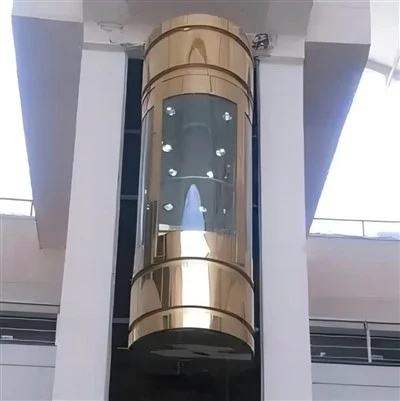
Are panoramic glass lifts suitable for museums? This is a question that has been debated among museum curators, architects, and visitors alike. As a supplier of panoramic glass lifts, I have had the opportunity to explore this topic in depth and provide insights based on real - world experiences and industry knowledge.
Advantages of Panoramic Glass Lifts in Museums
1. Enhanced Visitor Experience
One of the most significant benefits of installing panoramic glass lifts in museums is the enhanced visitor experience. Museums are places of learning and exploration, and a panoramic glass lift can add an element of excitement and wonder. As visitors ascend or descend in the lift, they are treated to stunning views of the museum's interior, including large - scale exhibits, atriums, or even outdoor landscapes if the museum has a strategic location. This not only makes the journey between floors more engaging but also allows visitors to preview what awaits them on different levels. For example, a visitor in a glass lift might catch a glimpse of a large - scale art installation on the next floor, which can pique their interest and increase their enthusiasm for exploring further.
2. Architectural Integration
Panoramic glass lifts are a modern and elegant addition to any museum's architecture. They can serve as a focal point, adding a touch of sophistication and contemporary design. These lifts can be customized to fit the overall aesthetic of the museum, whether it is a traditional, historical building or a cutting - edge, modern structure. In a historical museum, a well - designed glass lift can blend in with the existing architecture while still providing a stark contrast that draws attention. On the other hand, in a modern museum, the lift can complement the minimalist and sleek design, enhancing the overall visual appeal of the space.
3. Accessibility and Inclusivity
Museums strive to be inclusive spaces, accessible to people of all ages and abilities. Panoramic glass lifts play a crucial role in achieving this goal. They provide a convenient and comfortable way for visitors with mobility issues, such as those using wheelchairs or walking aids, to navigate the museum. Unlike traditional enclosed lifts, the glass design of panoramic lifts can reduce the sense of claustrophobia that some visitors may experience, making the journey more pleasant. Additionally, the transparency of the lift allows visitors to feel more connected to their surroundings, which can be particularly beneficial for those with sensory sensitivities.
4. Educational Opportunities
Panoramic glass lifts can also be used as educational tools. Museum administrators can use the lift's journey as an opportunity to provide information about the museum's collection, history, or architecture. For instance, audio guides can be installed in the lift, providing interesting facts and stories as visitors travel between floors. This not only enriches the visitor experience but also reinforces the museum's educational mission.


Considerations and Challenges
1. Privacy and Security
While the transparency of panoramic glass lifts is one of their main attractions, it can also pose challenges in terms of privacy and security. In a museum, there may be valuable exhibits or sensitive areas that need to be protected from unauthorized access or prying eyes. Careful planning is required to ensure that the lift's location and design do not compromise the privacy and security of the museum's collection. For example, the lift may need to be positioned in a way that does not provide direct views of restricted areas.
2. Glare and Heat
Another consideration is the issue of glare and heat. Glass lifts are more susceptible to sunlight, which can cause glare inside the lift and make it uncomfortable for passengers. Additionally, excessive heat can build up in the lift, especially during hot summer months. To mitigate these issues, advanced glazing technologies can be used. These technologies can reduce glare and heat transfer, ensuring a comfortable environment for visitors.
3. Maintenance and Durability
Museums typically have high footfall, which means that the panoramic glass lifts will be in constant use. As a result, maintenance and durability are important factors to consider. The glass used in the lifts needs to be strong and resistant to scratches and damage. Regular maintenance is also required to ensure the smooth operation of the lift and the safety of the passengers. This includes cleaning the glass, checking the mechanical and electrical components, and performing any necessary repairs.
Our Product Offerings
As a supplier of panoramic glass lifts, we offer a range of products that are suitable for museums. Our Capsule Lift for 2 Person is a compact and stylish option, perfect for smaller museums or areas with limited space. It provides a personalized and intimate experience for visitors, allowing them to enjoy the views in a more private setting.
For larger museums with higher passenger capacity requirements, our Capsule Passenger Elevator is an ideal choice. This elevator can accommodate a larger number of visitors at once, ensuring efficient movement between floors. It is designed with safety and comfort in mind, featuring state - of - the - art technology and high - quality materials.
We also offer the Small Capsule Lift, which is a versatile option that can be installed in various locations within the museum. This lift is easy to install and maintain, making it a cost - effective solution for museums on a budget.
Conclusion
In conclusion, panoramic glass lifts can be a great addition to museums. They offer numerous advantages in terms of visitor experience, architectural integration, accessibility, and education. However, it is important to carefully consider the challenges and take appropriate measures to address them. At our company, we are committed to providing high - quality panoramic glass lifts that meet the specific needs of museums. If you are a museum curator, architect, or decision - maker interested in enhancing your museum with a panoramic glass lift, we invite you to contact us for a detailed discussion and to explore our product offerings. We look forward to the opportunity to work with you and contribute to the success of your museum.
References
- Museum Planning and Design: Best Practices, [Author's Name], [Publication Year]
- Architectural Design for Public Spaces, [Author's Name], [Publication Year]
- Accessibility in Museums: A Guide for Designers and Curators, [Author's Name], [Publication Year]