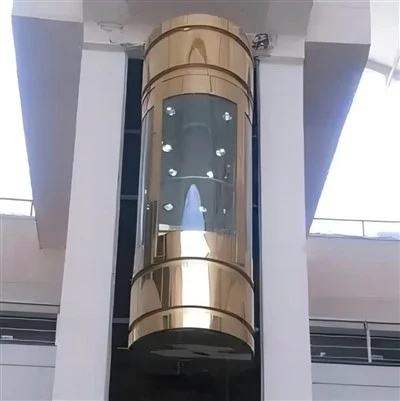
The installation time of an observation elevator can vary significantly depending on multiple factors. As a seasoned supplier of Observation Elevator, I've witnessed firsthand the diverse timelines associated with these installations. In this blog, I'll break down the key elements that influence how long it takes to install an observation elevator and provide a general overview of the installation process.
Factors Affecting Installation Time
Building Structure and Design
One of the most critical factors is the existing building structure. If the building is under construction and the elevator shaft has been designed and built specifically for the observation elevator, the installation process can be relatively streamlined. In such cases, the elevator components can be installed in a more straightforward manner, and the integration with the building's infrastructure is often more seamless.
However, if the elevator is being retrofitted into an existing building, the installation time can be significantly longer. Retrofitting requires careful planning and modification of the building structure to accommodate the elevator shaft, machinery, and safety features. This may involve cutting through floors, reinforcing walls, and rerouting electrical and plumbing systems. For example, in an old historic building with a complex structure, the installation team may need to spend weeks or even months preparing the site before the actual elevator installation can begin.
Elevator Specifications and Complexity
The specifications of the observation elevator also play a major role in determining the installation time. Elevators with larger capacities, higher speeds, and more advanced features will generally take longer to install. For instance, an observation elevator that travels multiple floors at high speeds will require more sophisticated machinery and safety systems, which need to be carefully installed and calibrated.
Additionally, the design of the elevator car and its observation features can impact the installation time. Elevators with panoramic glass walls or unique architectural elements may require specialized installation techniques and additional time for finishing touches. The installation of lighting, audio systems, and other interior features also adds to the overall installation time.
Local Regulations and Permits
Obtaining the necessary permits and approvals from local authorities is an essential part of the elevator installation process. The time required to secure these permits can vary depending on the location and the complexity of the project. In some areas, the permitting process can be relatively quick, taking only a few weeks. However, in other regions with strict building codes and regulations, it may take several months to obtain all the required approvals.
During the installation process, the elevator must also undergo regular inspections by local building officials to ensure compliance with safety standards. These inspections can cause delays if any issues are identified that need to be addressed before the elevator can be certified for use.
Weather Conditions
Weather conditions can also have an impact on the installation time, especially for outdoor observation elevators or those being installed in buildings with open construction sites. Inclement weather such as heavy rain, snow, or high winds can delay the installation work, as it may not be safe to work on the site or operate the equipment. In regions with harsh winters or frequent storms, the installation schedule may need to be adjusted to account for these weather-related delays.
General Installation Process and Timeline
Planning and Design Phase (2 - 4 weeks)
The installation process begins with a detailed planning and design phase. During this stage, our team works closely with the building owner, architects, and contractors to understand the project requirements and develop a customized elevator solution. We conduct a site survey to assess the building structure and determine the best location for the elevator shaft.
Once the design is finalized, we prepare the necessary drawings and specifications and submit them to the local authorities for permit approval. This phase typically takes 2 to 4 weeks, depending on the complexity of the project and the permitting process.
Manufacturing Phase (8 - 12 weeks)
After the design is approved and the permits are obtained, the manufacturing of the elevator components begins. Our state-of-the-art manufacturing facilities are equipped with the latest technology and equipment to ensure the highest quality and precision in the production of our elevators.
The manufacturing process includes the fabrication of the elevator car, hoistway, machinery, and other components. Each component is carefully inspected and tested to meet our strict quality standards before being shipped to the installation site. This phase usually takes 8 to 12 weeks, depending on the elevator specifications and the workload at the manufacturing facility.
Installation Phase (4 - 8 weeks)
Once the elevator components arrive at the installation site, the actual installation work begins. The installation team starts by preparing the elevator shaft, which may involve installing the guide rails, support structures, and electrical wiring. The elevator car is then assembled and installed in the shaft, followed by the machinery and control systems.


During the installation process, the team conducts regular tests and inspections to ensure that the elevator is functioning properly and meets all safety requirements. This phase typically takes 4 to 8 weeks, depending on the complexity of the installation and any unforeseen issues that may arise.
Testing and Commissioning Phase (1 - 2 weeks)
After the elevator is installed, it undergoes a comprehensive testing and commissioning phase. This involves testing the elevator's performance, safety features, and functionality to ensure that it meets all the specified requirements. The testing process includes running the elevator through a series of test runs at different speeds and loads, checking the emergency stop systems, and verifying the accuracy of the leveling and door operation.
Once the testing is complete and all the issues are resolved, the elevator is ready for commissioning. This involves obtaining the final certification from the local authorities and handing over the elevator to the building owner for use. The testing and commissioning phase usually takes 1 to 2 weeks.
Overall Timeline
Taking into account all the factors mentioned above, the total installation time for an observation elevator can range from 12 to 24 weeks or more. However, it's important to note that this is just a general estimate, and the actual installation time may vary depending on the specific circumstances of each project.
Conclusion
Installing an observation elevator is a complex process that requires careful planning, coordination, and expertise. The installation time can be influenced by a variety of factors, including the building structure, elevator specifications, local regulations, and weather conditions. As a trusted supplier of Observation Elevator, we are committed to providing our customers with high-quality elevators and a seamless installation experience.
If you're considering installing an observation elevator in your building, we encourage you to contact us to discuss your project requirements. Our team of experts will work with you to develop a customized solution that meets your needs and budget. We'll guide you through the entire installation process, from planning and design to testing and commissioning, ensuring that your elevator is installed on time and to the highest standards. Whether you need a Hospital Stretcher Lift or a Hospital Bed Elevator, we have the expertise and experience to deliver a solution that exceeds your expectations.
References
- International Building Code (IBC)
- American Society of Mechanical Engineers (ASME) A17.1 Elevator Safety Code
- Local building codes and regulations