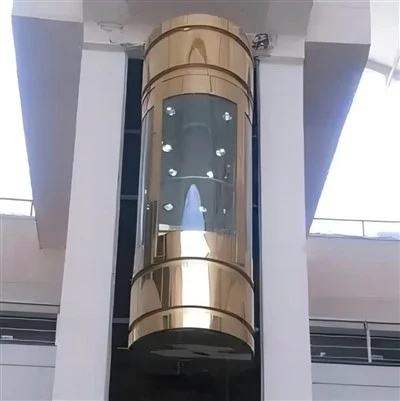
Hey there! As a supplier of hydraulic villa lifts, I often get asked about the building code requirements for installing these awesome elevators in villas. It's a crucial topic because ensuring compliance with local building codes is not only a legal necessity but also a matter of safety and functionality. So, let's dive right in and explore what you need to know.
Understanding the Basics of Building Codes
Building codes are a set of regulations that govern the design, construction, and installation of buildings and their components. They're put in place to protect the health, safety, and welfare of the people who use these structures. When it comes to hydraulic villa lifts, these codes cover a wide range of aspects, from the structural integrity of the lift shaft to the safety features of the elevator itself.
The specific building code requirements can vary significantly depending on your location. Different countries, states, and even cities may have their own unique set of rules and regulations. That's why it's super important to consult with local authorities or a professional building inspector before you start any installation work. They can provide you with the most accurate and up - to - date information regarding the codes that apply to your area.
Structural Requirements
One of the primary concerns in installing a hydraulic villa lift is the structural capacity of the building to support the lift. The lift shaft needs to be properly designed and constructed to handle the weight of the elevator car, passengers, and the hydraulic equipment.
The floor where the lift is installed also needs to be strong enough. It should be able to withstand the dynamic loads generated when the elevator starts, stops, and moves up and down. In some cases, additional reinforcement may be required to meet the structural requirements.
For example, the building code may specify a minimum thickness for the floor slab and the type of reinforcement bars to be used. The walls of the lift shaft also need to be of sufficient strength and stability. They should be able to resist lateral forces and provide a safe enclosure for the elevator.
Safety Features
Safety is a top priority when it comes to elevator installation. Building codes typically mandate a variety of safety features for hydraulic villa lifts.
Emergency Stop Button
Every hydraulic villa lift must be equipped with an emergency stop button. This button allows passengers to quickly stop the elevator in case of an emergency. It should be easily accessible and clearly marked.
Overload Protection
The lift needs to have an overload protection system. This system prevents the elevator from operating when it is carrying more weight than it is designed to handle. If the weight limit is exceeded, the lift will not move, and an alarm may sound to alert the passengers.
Door Interlocks
The doors of the elevator car and the landing doors must have interlock systems. These systems ensure that the doors are securely closed before the elevator can move. If a door is not properly closed, the lift will not operate, preventing the risk of passengers falling out.
Fire - Resistance Requirements
In many areas, the lift shaft and the elevator components need to meet certain fire - resistance requirements. This may involve using fire - rated materials for the shaft walls and installing fire - resistant doors. The goal is to prevent the spread of fire and smoke in case of a fire emergency.
Electrical and Hydraulic Systems
The electrical and hydraulic systems of the hydraulic villa lift also need to comply with building codes.
Electrical Wiring
The electrical wiring for the lift must be installed in accordance with electrical codes. This includes using the correct gauge of wire, proper grounding, and installing appropriate circuit breakers and fuses. The wiring should be protected from damage and should not pose a risk of electrical shock.
Hydraulic Fluid
The hydraulic fluid used in the lift needs to be of the appropriate type and quality. It should be non - flammable and have the right viscosity to ensure smooth operation of the hydraulic system. The hydraulic reservoir and pipes should be properly installed and maintained to prevent leaks.
Accessibility Requirements
Building codes often include accessibility requirements for elevators, especially in residential settings. This is to ensure that the lift can be used by people with disabilities or limited mobility.
Door Width
The doors of the elevator car should be wide enough to accommodate a wheelchair. A minimum door width of around 800mm is commonly required to allow easy entry and exit for wheelchair users.
Interior Dimensions
The interior of the elevator car should also have sufficient space. It should be large enough for a wheelchair to turn around comfortably. The code may specify a minimum floor area for the car.
Braille Signage
In some areas, the elevator control panel needs to have Braille signage. This allows visually impaired people to operate the elevator independently.
Choosing the Right Hydraulic Villa Lift
As a supplier, I offer a variety of hydraulic villa lifts to meet different needs and budgets. If you're looking for a compact option, check out our Small Domestic Lift. It's perfect for smaller villas or homes with limited space.
For those who want a more personalized experience, our Personal Home Elevator can be customized to match your interior design and specific requirements.
And if you're aiming for luxury, our Luxury Home Elevator is the way to go. It comes with high - end features and finishes to add a touch of elegance to your villa.


Conclusion
Installing a hydraulic villa lift involves complying with a variety of building code requirements. From structural integrity to safety features, electrical and hydraulic systems, and accessibility, every aspect needs to be carefully considered. By working with a professional and experienced supplier like me, you can ensure that your lift installation meets all the necessary codes and regulations.
If you're interested in purchasing a hydraulic villa lift for your home, don't hesitate to reach out. We can discuss your specific needs, help you choose the right lift, and guide you through the installation process to make sure everything is done right.
References
- Local Building Code Authorities
- Elevator Industry Standards and Guidelines