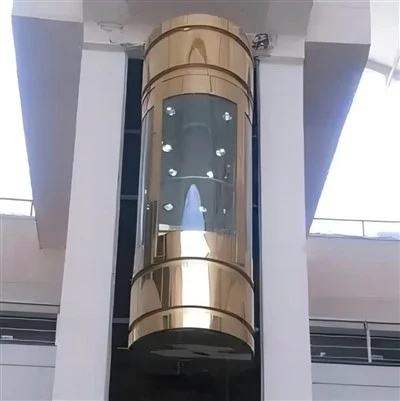
As a supplier of panoramic elevators, I've had the privilege of witnessing the allure and functionality these remarkable machines bring to various buildings. Panoramic elevators, with their transparent walls, offer passengers a breathtaking view of the surroundings, enhancing the overall experience of vertical transportation. However, like any technology, they come with their own set of limitations. In this blog, I'll delve into the constraints of panoramic elevators, providing insights that can help you make informed decisions when considering their installation.
1. High Initial and Maintenance Costs
One of the most significant limitations of panoramic elevators is the high initial investment required. The construction of panoramic elevators involves specialized materials and advanced engineering techniques to ensure both safety and transparency. The glass used in these elevators must be of high - quality, shatter - resistant, and able to withstand environmental factors such as wind, rain, and temperature changes. This high - grade glass is considerably more expensive than the materials used in traditional elevators.
Moreover, the design and installation of panoramic elevators often require custom - made components to fit the specific architectural requirements of the building. This customization adds to the cost as it involves additional engineering and manufacturing efforts. For example, if a building has an irregular shape or a unique aesthetic concept, the panoramic elevator needs to be tailored accordingly, which can drive up the price significantly.
In addition to the high upfront costs, the maintenance of panoramic elevators is also more expensive compared to traditional elevators. The glass panels need regular cleaning to maintain their transparency and aesthetic appeal. Specialized cleaning agents and equipment are required to ensure that the glass is not damaged during the cleaning process. Also, the exposed nature of panoramic elevators makes them more vulnerable to environmental damage. For instance, bird droppings, tree sap, and other debris can accumulate on the glass, and if not removed promptly, they can cause long - term damage to the surface. The mechanical and electrical components of panoramic elevators are also more exposed to the elements, increasing the risk of corrosion and malfunction, which further raises the maintenance cost.
2. Limited Structural Compatibility
Panoramic elevators have certain limitations when it comes to structural compatibility. These elevators are typically installed on the exterior of a building or in atriums, which means they need to be integrated into the building's structure carefully. The building's existing structure may not always be suitable for the installation of a panoramic elevator.


For example, older buildings may have insufficient structural strength to support the additional weight of a panoramic elevator. The installation of a panoramic elevator requires the addition of a new shaft or the modification of an existing one, which can be a complex and costly process. Reinforcing the building's structure to accommodate the elevator may involve significant engineering work, such as adding steel beams or columns, which can disrupt the normal operation of the building during the construction period.
Furthermore, the architectural design of a building may pose challenges for the installation of a panoramic elevator. Some buildings have complex facades or limited space, making it difficult to find a suitable location for the elevator. For instance, a building with a large number of balconies or protrusions may not have enough clear space for the installation of a panoramic elevator without compromising the building's aesthetics or functionality.
3. Privacy Concerns
Privacy is another major limitation of panoramic elevators. Since these elevators have transparent walls, passengers inside the elevator are visible to people outside, and vice versa. This lack of privacy can be a significant issue, especially in buildings where privacy is highly valued, such as residential buildings, hospitals, or corporate offices.
In a residential building, residents may feel uncomfortable using a panoramic elevator where they can be seen by passers - by or other residents on the lower floors. Similarly, in a corporate office, executives or employees may not want to be observed while using the elevator, especially if they are having private conversations or dealing with sensitive information.
To address this issue, some panoramic elevators are equipped with tinted glass or blinds. However, tinted glass can reduce the clarity of the view, which defeats the purpose of having a panoramic elevator. And blinds need to be manually adjusted by the passengers, which can be inconvenient and may not always be used properly.
4. Safety and Security Risks
Although panoramic elevators are designed with multiple safety features, they still pose certain safety and security risks. The large glass panels are a potential hazard in the event of an earthquake, fire, or other emergencies. In an earthquake, the glass may shatter, causing injury to passengers inside the elevator. And in a fire, the glass may not provide sufficient protection against heat and smoke, putting the passengers at risk.
Security is also a concern. The transparent nature of panoramic elevators makes it easier for unauthorized people to observe the interior of the building from the elevator. This can increase the risk of theft, vandalism, or other security breaches. For example, criminals may be able to scout the layout of a building and identify potential targets while riding in a panoramic elevator.
5. Environmental Impact
Panoramic elevators can have a negative impact on the environment. The large glass panels can cause significant heat gain in the summer and heat loss in the winter, increasing the energy consumption of the building. To maintain a comfortable temperature inside the elevator and the adjacent areas, the building's heating, ventilation, and air - conditioning (HVAC) system needs to work harder, which leads to higher energy bills and increased carbon emissions.
Moreover, the production of the high - quality glass and other specialized materials used in panoramic elevators also has an environmental impact. The manufacturing process of glass involves high - temperature furnaces, which consume a large amount of energy and produce greenhouse gases. And the disposal of these materials at the end of their life cycle can also be a challenge, as they may not be easily recyclable.
Despite these limitations, panoramic elevators still have many advantages, such as enhancing the building's aesthetics, providing a unique user experience, and increasing the property value. At our company, we offer a variety of panoramic elevator models, including the Capsule Lift for 2 Person, Circular Panoramic Elevator, and Home Capsule Lift. Our team of experts can help you evaluate the feasibility of installing a panoramic elevator in your building and address any concerns you may have.
If you are considering purchasing a panoramic elevator, we encourage you to contact us for a detailed consultation. Our sales representatives will provide you with comprehensive information about our products, including their features, specifications, and pricing. We can also assist you in designing an elevator that meets your specific needs and requirements. Don't hesitate to reach out to us and start the process of bringing a panoramic elevator to your building.
References
- "Elevator Technology Handbook" by John A. Hall
- "Building Construction: Principles, Materials, and Systems" by Edward Allen and Joseph Iano
- Industry reports on elevator manufacturing and installation