Hey there! As a supplier of Cargo Elevator for Home, I often get asked if a home cargo elevator can be installed in a basement. Well, let's dig into this topic and find out!
Feasibility of Basement Installation
First off, the short answer is yes, you can install a home cargo elevator in a basement. But there are several factors to consider before making the decision.
Space Requirements
The basement needs to have enough space for the elevator shaft and the Cabin Of A Small Freight Elevator. You'll need to measure the area carefully. A general rule of thumb is that the elevator shaft should have a minimum width and depth based on the size of the elevator car you plan to install. For a small - scale home cargo elevator, you might need at least a 3 - foot by 3 - foot shaft, but this can vary depending on the specific model.
If your basement has a lot of storage items or is already cramped, you'll have to figure out how to relocate some things to make room for the elevator. You also need to ensure that there's enough headroom in the basement. The elevator needs sufficient vertical space for the car to move up and down without any obstructions. Usually, a headroom of around 8 - 10 feet is ideal, but again, it depends on the elevator design.
Structural Integrity
The basement's structure must be able to support the weight of the elevator. This includes the weight of the elevator car, the passengers or cargo it will carry, and the machinery associated with the elevator. Older basements might have weaker structures, and you may need to reinforce the floor and walls. A structural engineer can assess the basement and determine if any modifications are necessary. They'll look at the foundation, the type of construction, and the overall stability of the basement.
Electrical and Plumbing
Installing a home cargo elevator in the basement requires proper electrical connections. You'll need to ensure that your home's electrical system can handle the additional load. This might involve upgrading your electrical panel if it's not powerful enough. Also, the elevator will need a dedicated circuit to operate safely.
Plumbing can also be a factor, especially if there are pipes running through the area where you plan to install the elevator. You'll need to work with a professional to reroute any pipes that could interfere with the elevator installation.
Types of Home Cargo Elevators Suitable for Basements
There are different types of home cargo elevators that can be installed in basements.
Apartment Freight Elevator
These elevators are designed to handle heavier loads and are a great option if you plan to move large items between the basement and other floors. They are usually more robust and can be customized to fit the specific needs of your home. Apartment freight elevators come in various sizes and configurations, so you can choose one that suits the space in your basement.
Dumbwaiter Freight Elevator
A dumbwaiter is a smaller - scale cargo elevator that's perfect for moving lighter items like groceries, laundry, or small boxes. It takes up less space compared to a full - sized freight elevator, making it a great choice for basements with limited space. Dumbwaiters are also relatively easy to install and operate.
Benefits of Having a Cargo Elevator in the Basement
Installing a home cargo elevator in the basement offers several benefits.
Convenience
Moving heavy or bulky items between the basement and other floors can be a real pain. With a cargo elevator, you can easily transport things like furniture, tools, or even firewood without having to carry them up and down the stairs. This saves you time and energy, especially if you frequently use your basement for storage or as a workshop.
Accessibility
For people with mobility issues, a cargo elevator in the basement can be a game - changer. It allows them to access the basement without having to navigate the stairs, which can be dangerous or difficult. This improves the overall accessibility of your home and makes it more inclusive for everyone.
Increased Home Value
Adding a home cargo elevator can increase the value of your property. It's considered a luxury feature that can make your home more attractive to potential buyers in the future. If you ever decide to sell your home, having a functional cargo elevator in the basement can set your property apart from others on the market.
Installation Process
The installation of a home cargo elevator in the basement is a complex process that should be carried out by professionals.
Planning and Design
The first step is to work with an elevator contractor to plan the installation. They'll take measurements of your basement, assess the structural integrity, and discuss your specific needs. Based on this information, they'll design an elevator system that fits your basement and your requirements.
Permits and Approvals
You'll need to obtain the necessary permits from your local building department before starting the installation. The contractor can help you with this process. The permits ensure that the elevator installation meets all the safety and building codes in your area.
Installation
Once the permits are in place, the installation can begin. The contractor will start by preparing the site, which may involve cutting openings in the floor and walls for the elevator shaft. They'll then install the elevator components, including the car, the machinery, and the control system. The installation process can take several weeks, depending on the complexity of the project.
Testing and Inspection
After the installation is complete, the elevator will be tested to ensure that it operates safely and smoothly. A professional inspector will also come to check the elevator to make sure it meets all the safety standards. Once the elevator passes the tests and inspections, it's ready for use.
Maintenance and Safety
Like any other mechanical system, a home cargo elevator in the basement requires regular maintenance.
Maintenance
You should schedule regular maintenance checks with a qualified elevator technician. They'll inspect the elevator components, lubricate moving parts, and make any necessary repairs. Regular maintenance helps to keep the elevator in good working condition and extends its lifespan.

Safety Features
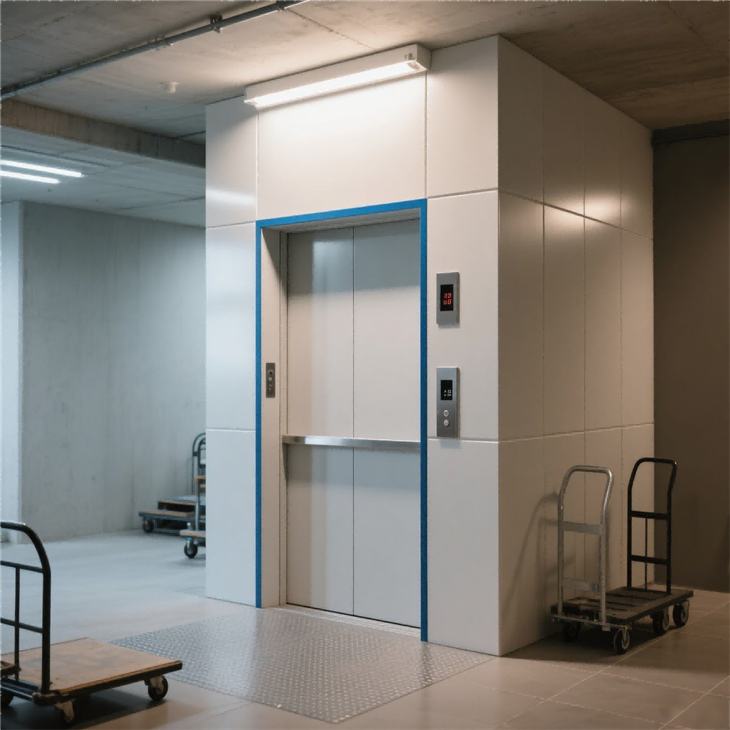
Modern home cargo elevators come with several safety features. These include emergency stop buttons, door interlocks, and overload protection. It's important to familiarize yourself with these safety features and ensure that everyone in your household knows how to use them in case of an emergency.
Contact for Purchase and Installation
If you're interested in installing a home cargo elevator in your basement, I'd love to hear from you. As a supplier of Cargo Elevator for Home, I can provide you with detailed information about the different types of elevators available, their costs, and the installation process. We have a team of experienced professionals who can handle the entire project from start to finish. Whether you need a large - scale Apartment Freight Elevator or a compact Dumbwaiter Freight Elevator, we've got you covered. Contact us to start the conversation about getting the perfect cargo elevator for your basement.
References
- "Residential Elevator Handbook" by Elevator World Inc.
- Local building codes and regulations for elevator installations.