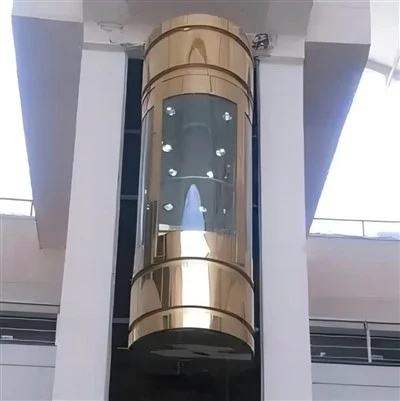
Can a home cargo elevator be used in a coastal area with high humidity?
As a supplier of Home Cargo Elevator, I often receive inquiries from customers in coastal areas about the feasibility of using home cargo elevators in high - humidity environments. This is a crucial question, as the unique climate conditions of coastal regions can pose challenges to the performance and longevity of elevators.
Understanding the Impact of High Humidity on Home Cargo Elevators
High humidity in coastal areas means that there is a large amount of water vapor in the air. This excess moisture can have several detrimental effects on a home cargo elevator.
Corrosion
One of the most significant threats is corrosion. Metals are the primary materials used in the construction of Freight Lift Elevator components such as the elevator shaft, cables, and the frame of The Cabin Of A Small Freight Elevator. When exposed to high humidity, these metals react with the oxygen in the air and the water vapor, forming rust. Rust weakens the structural integrity of the elevator parts, which can lead to safety hazards and reduce the overall lifespan of the elevator. For example, if the cables rust, they may lose their strength and eventually break, causing the elevator to malfunction or even fall.
Electrical Malfunctions
The electrical systems in a home cargo elevator are also highly vulnerable to high humidity. Moisture can seep into electrical components, such as control panels, motors, and sensors. This can cause short - circuits, which not only disrupt the normal operation of the elevator but can also pose a fire risk. Additionally, the presence of moisture can accelerate the degradation of electrical insulation, leading to electrical leakage and further system failures.
Mechanical Component Wear
High humidity can also affect the mechanical components of the elevator. The moisture can cause lubricants to break down more quickly, reducing their effectiveness in reducing friction between moving parts. As a result, the mechanical parts may experience increased wear and tear, leading to frequent breakdowns and the need for more frequent maintenance.


Solutions for Using Home Cargo Elevators in Coastal Areas
Despite the challenges posed by high humidity, it is entirely possible to use home cargo elevators in coastal areas with the right precautions and solutions.
Corrosion - Resistant Materials
One of the key solutions is to use corrosion - resistant materials in the construction of the elevator. Stainless steel is an excellent choice for many elevator components. It has a high resistance to rust and corrosion, even in high - humidity environments. For the elevator cabin, using fiberglass or composite materials can also be a good option, as they are not prone to rust and are relatively lightweight.
Protective Coatings
Applying protective coatings to metal components can provide an additional layer of defense against corrosion. Epoxy coatings, for example, can create a barrier between the metal and the humid air, preventing the formation of rust. These coatings need to be regularly inspected and reapplied as needed to ensure their effectiveness.
Dehumidification Systems
Installing dehumidification systems in the elevator shaft and control room can help maintain a low - humidity environment. These systems work by removing excess moisture from the air, reducing the risk of corrosion and electrical malfunctions. There are various types of dehumidifiers available, including refrigerant - based and desiccant - based models. The choice of dehumidifier depends on factors such as the size of the elevator shaft and the level of humidity in the area.
Regular Maintenance and Inspections
Regular maintenance and inspections are essential for ensuring the safe and reliable operation of home cargo elevators in coastal areas. Elevator technicians should conduct thorough inspections of the elevator's mechanical, electrical, and structural components on a regular basis. They should check for signs of corrosion, wear and tear, and electrical problems. Any issues should be addressed promptly to prevent further damage and ensure the safety of the elevator users.
Real - World Examples and Case Studies
There are many successful cases of home cargo elevators being used in coastal areas. For instance, in a seaside villa community, the homeowners installed our home cargo elevators equipped with stainless - steel components and dehumidification systems. After several years of operation, the elevators have shown minimal signs of corrosion and have been running smoothly. The regular maintenance and inspections have also ensured that any potential issues are detected and resolved in a timely manner.
Conclusion
In conclusion, while high humidity in coastal areas does present challenges for home cargo elevators, with the right selection of materials, proper protective measures, and regular maintenance, these elevators can be safely and effectively used in such environments. As a supplier of Home Cargo Elevator, we are committed to providing high - quality products and comprehensive solutions to meet the needs of our customers in coastal areas.
If you are considering installing a home cargo elevator in a coastal area or have any questions about our products, please feel free to contact us for more information and to discuss your specific requirements. We look forward to working with you to find the best elevator solution for your home.
References
- ASME A17.1 Safety Code for Elevators and Escalators.
- National Fire Protection Association (NFPA) Electrical Codes.
- Manufacturer's guidelines for corrosion - resistant materials and protective coatings.