Hey there! As a supplier of freight elevators, I've seen firsthand how crucial communication systems are in these heavy - duty machines. In this blog, I'm gonna break down the different communication systems in a freight elevator and why they matter.
The Basics of Freight Elevator Communication
First off, let's understand why communication is so important in a freight elevator. Freight elevators are used to move large and often heavy loads between different floors of a building. Whether it's in a warehouse, a residential complex, or a commercial building, there needs to be a way for people inside the elevator car and those outside to stay in touch. This helps in ensuring the safe and efficient operation of the elevator.
Intercom Systems
One of the most common communication systems in a freight elevator is the intercom. It's like a two - way radio that allows passengers or operators inside the elevator car to talk to someone outside, usually in the building's control room or a security office.
The intercom is super important in case of an emergency. If there's a problem like the elevator getting stuck between floors, the people inside can use the intercom to call for help. It's also useful during normal operations. For example, if the operator in the control room needs to give instructions to the person inside the elevator about the loading or unloading process, they can use the intercom to do so.
Most modern intercom systems are equipped with high - quality microphones and speakers to ensure clear communication. They're also designed to be durable, as they need to withstand the rough environment inside a freight elevator.
Control Panel Communication
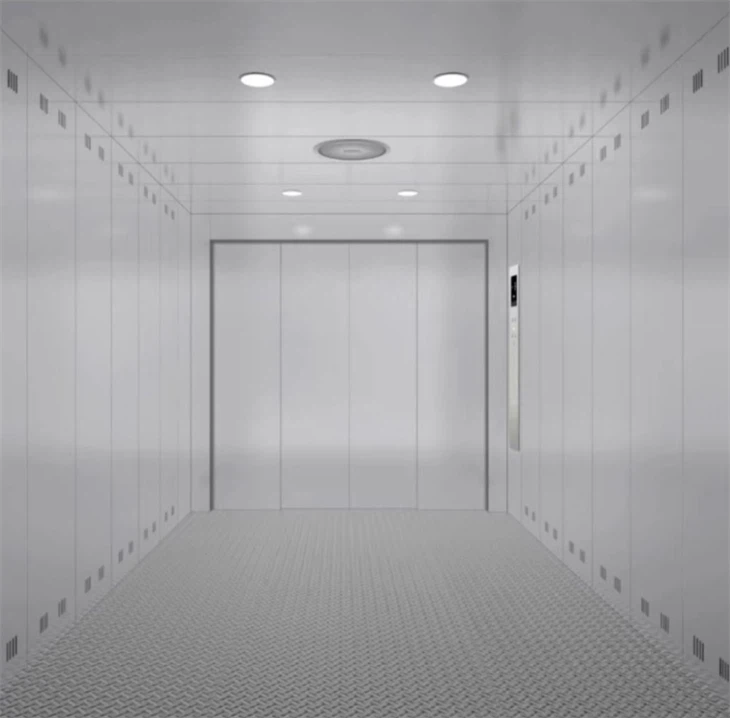
The control panel in a freight elevator is another key part of the communication system. It's the interface between the operator and the elevator's internal systems. When you press a button on the control panel to select a floor, that's a form of communication. The control panel sends a signal to the elevator's motor and other components to tell them where to go.
The control panel also provides feedback to the operator. It might display the current floor, the direction of travel (up or down), and any error messages. For example, if there's a problem with the door mechanism, the control panel will show an error code, which helps the maintenance team quickly identify and fix the issue.
Hall Call Systems
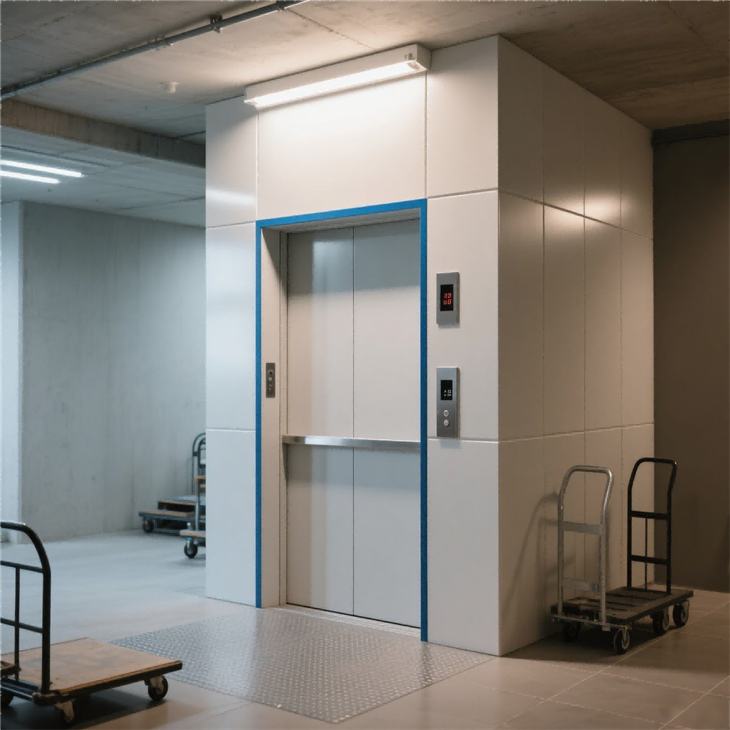
Hall call systems are used on each floor where the elevator stops. They allow people on the floor to call the elevator. When someone presses the up or down button on the hall call panel, it sends a signal to the elevator's control system. The control system then decides which elevator car (if there are multiple elevators in the building) should respond to the call.
Hall call systems also provide information to the people waiting for the elevator. They usually have a display that shows which elevator car is coming and how far away it is. This helps in managing the flow of traffic in the building and reduces the waiting time for passengers.
Remote Monitoring and Communication
In today's digital age, many freight elevators are equipped with remote monitoring systems. These systems use sensors and communication technology to send data about the elevator's performance to a remote location.
For example, the elevator's maintenance team can monitor the elevator's speed, the number of starts and stops, and the condition of various components from their office. If there's a potential problem, the system can send an alert to the maintenance team, allowing them to take proactive measures before a breakdown occurs.
Remote monitoring also enables software updates to be sent to the elevator's control system. This helps in keeping the elevator up - to - date with the latest safety and performance features.
Communication in Different Types of Freight Elevators
Let's take a look at how communication systems vary in different types of freight elevators.
Residential Freight Elevator
A Residential Freight Elevator is designed for use in homes or small residential buildings. The communication systems in these elevators are usually simpler compared to commercial ones. They might have a basic intercom system for emergency communication and a straightforward control panel. However, they still need to be reliable, as they're used to transport items like furniture and groceries within the home.
Car Freight Elevator
Car Freight Elevators are used in parking garages and car dealerships to move cars between different levels. These elevators require a high - level of communication. The control system needs to be precise to ensure the safe movement of cars. There might also be additional communication channels between the elevator operator and the people guiding the car into and out of the elevator.
Apartment Freight Elevator
Apartment Freight Elevators are used in large apartment buildings. They need to handle a high volume of traffic, so the communication systems need to be efficient. Hall call systems need to be responsive, and the intercom systems should be able to handle multiple calls in case of an emergency.
Why Good Communication Systems Matter
Good communication systems in a freight elevator are essential for several reasons.
Safety
Safety is the top priority. In case of an emergency, clear communication can save lives. The intercom system allows people inside the elevator to call for help, and the control panel provides important information about the elevator's status. Remote monitoring also helps in identifying potential safety hazards before they become a problem.
Efficiency
Efficient communication systems reduce downtime. When the control panel and hall call systems work smoothly, the elevator can move between floors quickly, which increases the overall efficiency of the building. Remote monitoring helps in predicting and preventing breakdowns, which means less time spent on maintenance and more time for the elevator to be in operation.
User Experience
A well - designed communication system provides a better user experience. People inside the elevator know where they're going, and those waiting on the floors know when the elevator will arrive. This reduces stress and frustration, especially in a busy building.
Wrapping Up
In conclusion, communication systems are an integral part of a freight elevator. From intercoms to control panels, hall call systems, and remote monitoring, each component plays a crucial role in ensuring the safe, efficient, and user - friendly operation of the elevator.
If you're in the market for a freight elevator and want to learn more about the communication systems we offer, or if you have any questions about our products, don't hesitate to reach out. We're here to help you find the best freight elevator solution for your needs.
References
- Elevator Handbook, by John J. Bacharach
- Modern Elevator Technology, by James G. Steele