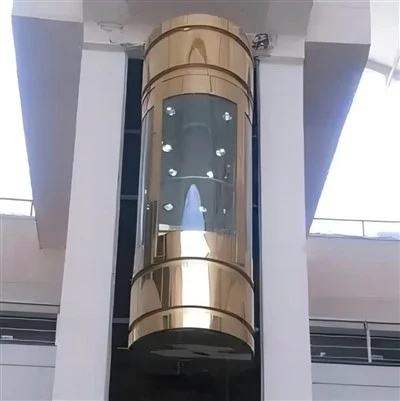
Can a large freight elevator be used in a textile mill for transporting bales of fabric?
In the bustling world of textile manufacturing, efficiency and safety in material handling are of utmost importance. Bales of fabric, with their varying sizes and weights, need to be moved around the mill effectively to ensure seamless production processes. This raises the question: can a large freight elevator be used in a textile mill for transporting these bales of fabric? As a leading supplier of large freight elevators, I am well - positioned to offer insights into this matter.
The Requirements of Textile Mills
Textile mills have unique requirements when it comes to transporting bales of fabric. Firstly, bales can be quite heavy, with some weighing up to several hundred kilograms. The elevator must be able to handle these weights safely and without overloading. Additionally, bales come in different shapes and sizes, which means the elevator should have a spacious interior to accommodate them. The transportation process also needs to be gentle to prevent any damage to the fabric, as even minor scratches or creases can affect the quality of the final product.
Secondly, textile mills often operate around the clock. This requires the elevator to be highly reliable and have a long service life. Downtime due to elevator breakdowns can lead to significant production losses, so the equipment must be built to withstand continuous use.
Advantages of Using a Large Freight Elevator in a Textile Mill
1. High - Capacity Transportation
A large freight elevator is designed to carry heavy and bulky loads. In a textile mill, it can easily transport multiple bales of fabric at once. This reduces the number of trips required to move materials between different floors, such as from the storage area to the production floor or from the production floor to the shipping area. For example, if a mill has a large - scale production line that processes hundreds of bales per day, a large freight elevator can significantly speed up the material - handling process.
2. Customizable Design
As a supplier, we understand that every textile mill has its own unique layout and requirements. Our large freight elevators can be customized in terms of size, capacity, and door configuration. For instance, if the mill has narrow corridors leading to the elevator shaft, we can design an elevator with a side - opening door to facilitate easy loading and unloading of the bales. The interior of the elevator can also be lined with soft materials to prevent damage to the fabric during transportation.
3. Safety Features
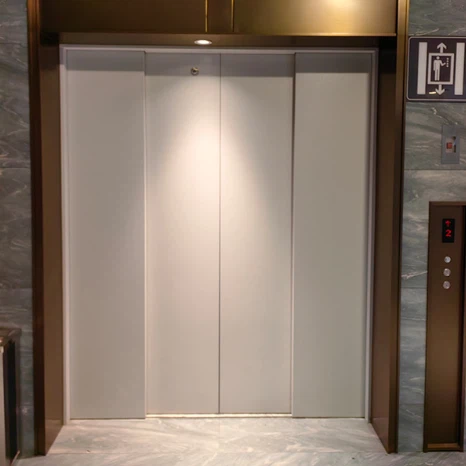
Safety is a top priority in any industrial setting, and textile mills are no exception. Our large freight elevators are equipped with a range of safety features. These include overload protection systems that prevent the elevator from operating if the load exceeds its rated capacity. There are also emergency stop buttons, door interlocks to ensure the doors are properly closed during operation, and safety brakes in case of a power failure. These features not only protect the workers but also safeguard the valuable fabric bales being transported.

4. Compatibility with Existing Systems
Our large freight elevators can be easily integrated with the existing conveyor systems in a textile mill. This allows for a seamless transfer of bales from the conveyor to the elevator and vice versa. For example, the elevator can be programmed to stop at specific floors and align perfectly with the conveyor belts, enabling efficient loading and unloading of the fabric bales.
Types of Large Freight Elevators Suitable for Textile Mills
1. Commercial Freight Elevator
Commercial freight elevators are a popular choice for textile mills. They are designed to handle heavy loads in a commercial environment. These elevators typically have a robust construction and can be customized to meet the specific needs of a textile mill. They offer a wide range of capacities, from a few hundred kilograms to several tons, making them suitable for transporting different sizes of fabric bales.
2. Goods Passenger Lift
In some cases, a goods - passenger lift may be a suitable option for a textile mill. This type of elevator allows both workers and fabric bales to be transported simultaneously. It is useful when workers need to accompany the bales to different floors for quality control or other purposes. However, it is important to ensure that the lift is designed to meet the safety requirements for transporting both passengers and heavy goods.
3. Traction Freight Elevator
Traction freight elevators are known for their high - speed operation and energy efficiency. They use a system of ropes and counterweights to move the elevator car. In a textile mill, where time is of the essence, a traction freight elevator can quickly transport bales of fabric between floors, improving overall productivity.
Considerations Before Installation
Before installing a large freight elevator in a textile mill, several considerations need to be taken into account. Firstly, the structural integrity of the building must be assessed. The elevator shaft and the surrounding structure need to be able to support the weight of the elevator and its load. This may require some structural modifications to the building.
Secondly, the mill's electrical system needs to be evaluated. A large freight elevator requires a significant amount of power to operate, and the electrical system must be able to supply this power safely. In some cases, an upgrade to the electrical infrastructure may be necessary.
Finally, local regulations and codes must be followed. Different regions have different safety and installation requirements for elevators. It is essential to work with a supplier who is familiar with these regulations and can ensure that the elevator installation complies with all the necessary standards.
Contact Us for Procurement and Consultation
If you are considering installing a large freight elevator in your textile mill for transporting bales of fabric, we are here to help. Our team of experts has extensive experience in designing, manufacturing, and installing freight elevators in various industrial settings, including textile mills. We can provide you with a customized solution that meets your specific needs and budget. Contact us to start discussing your requirements and explore how our large freight elevators can improve the efficiency and safety of your textile mill's material - handling operations.
References
- "Industrial Elevator Handbook" - A comprehensive guide on industrial elevators, including their design, installation, and maintenance.
- "Textile Manufacturing Processes: An Overview" - A resource that provides insights into the various processes in a textile mill and the importance of efficient material handling.
- Local building and safety codes related to elevator installation in industrial settings.