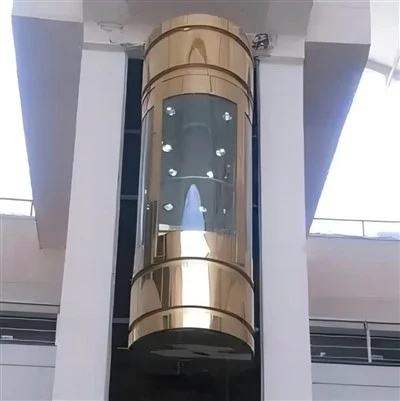
Hey there! As a supplier of single passenger lifts, I often get asked about how the door safety system in these elevators works. It's a crucial aspect of elevator functionality, so I'm stoked to break it down for you.
First off, let's talk about the importance of door safety in a single passenger lift. The doors are the first point of contact for passengers, and they play a vital role in preventing accidents. A faulty door system can lead to serious injuries or even fatalities, so it's essential that these systems are designed and maintained to the highest standards.
The Basic Components of a Door Safety System
The door safety system in a single passenger lift consists of several key components, each with its own unique function. Let's take a closer look at these components and how they work together to ensure the safety of passengers.
1. Door Panels
The door panels are the most visible part of the door system. They are typically made of metal or glass and are designed to slide open and closed. In a single passenger lift, the doors are usually bi-parting, meaning they split in the middle and slide in opposite directions.
2. Door Motors
Door motors are responsible for powering the movement of the door panels. They are usually electric and are controlled by the elevator's control system. When the elevator arrives at a floor, the control system sends a signal to the door motors to open the doors. When it's time to leave, another signal is sent to close the doors.
3. Door Sensors
Door sensors are the unsung heroes of the door safety system. They are designed to detect any obstructions in the path of the door panels and prevent the doors from closing on them. There are several types of door sensors, including infrared sensors, mechanical sensors, and pressure sensors.
- Infrared Sensors: These sensors use infrared light to detect objects in the door opening. If an object blocks the infrared beam, the sensor sends a signal to the elevator's control system to stop the door from closing.
- Mechanical Sensors: These sensors are typically located on the edges of the door panels. When the doors come into contact with an object, the mechanical sensors are triggered, and the control system stops the doors from closing.
- Pressure Sensors: These sensors are installed on the bottom of the door panels. If the doors encounter an object while closing, the pressure sensors detect the change in pressure and send a signal to the control system to stop the doors.
4. Door Interlocks
Door interlocks are safety devices that prevent the elevator from moving unless the doors are properly closed and locked. They consist of a series of electrical contacts that are connected to the elevator's control system. When the doors are closed, the interlocks engage, and the control system is able to send a signal to the elevator motor to start moving.


How the Door Safety System Works in Action
Now that we've covered the basic components of the door safety system, let's take a look at how it works in action.
When the Elevator Arrives at a Floor
When the elevator arrives at a floor, the control system sends a signal to the door motors to open the doors. As the doors start to open, the door sensors are activated, and they continuously monitor the door opening for any obstructions.
If an object is detected in the door opening, the sensors send a signal to the control system to stop the doors from opening. This prevents the doors from hitting the object and causing damage or injury.
When the Elevator is Ready to Leave
When it's time for the elevator to leave, the control system sends a signal to the door motors to close the doors. As the doors start to close, the door sensors are still active, and they continue to monitor the door opening for any obstructions.
If an object is detected in the door opening, the sensors send a signal to the control system to stop the doors from closing and reverse the direction of the doors. This prevents the doors from closing on the object and causing damage or injury.
Once the doors are fully closed, the door interlocks engage, and the control system is able to send a signal to the elevator motor to start moving.
Maintenance and Safety Checks
To ensure the continued safety and reliability of the door safety system, regular maintenance and safety checks are essential. As a single passenger lift supplier, we recommend that elevator owners have their doors inspected and maintained by a qualified elevator technician at least once a year.
During a maintenance check, the technician will inspect the door panels, motors, sensors, and interlocks for any signs of wear or damage. They will also test the door sensors to make sure they are working properly and adjust the door alignment if necessary.
The Role of Technology in Door Safety Systems
In recent years, technological advancements have led to the development of more sophisticated door safety systems. For example, some modern single passenger lifts are equipped with advanced sensors that can detect the presence of a person or object in the door opening even before the doors start to close.
These sensors use a combination of infrared light, ultrasonic waves, and other technologies to provide a high level of accuracy and reliability. They can also be programmed to recognize different types of objects, such as people, animals, and large packages.
In addition to advanced sensors, some door safety systems also feature intelligent control algorithms that can analyze the movement of the doors and the behavior of passengers. These algorithms can detect abnormal patterns of movement and take appropriate action to prevent accidents, such as stopping the doors from closing or sounding an alarm.
Our Single Passenger Lift Offerings
At our company, we offer a range of single passenger lifts that are equipped with state-of-the-art door safety systems. Our lifts are designed to provide a safe, comfortable, and efficient transportation solution for residential and commercial buildings.
We have different types of single passenger lifts, including Silent Passenger Elevator, which operates quietly, making it ideal for noise-sensitive environments. Our Energy-efficient Passenger Elevators are designed to reduce energy consumption, helping you save on operating costs. And our Traction Passenger Elevator offers smooth and reliable operation.
Contact Us for Procurement
If you're in the market for a single passenger lift and want to learn more about our products and the door safety systems they come with, don't hesitate to reach out. We're here to answer all your questions and help you choose the right lift for your needs. Whether it's for a small residential building or a commercial space, we've got you covered. Let's have a chat and find the perfect solution for you.
References
- Elevator Safety Handbook, published by the Elevator Industry Association
- Technical Manuals of Door Safety Systems, provided by leading elevator component manufacturers