


Hey there! I'm a supplier of hospital stretcher lifts, and I often get asked this question: Can hospital stretcher lifts be used for transporting other medical equipment? Well, let's dive right into it and explore this topic.
First off, what exactly is a hospital stretcher lift? It's a specialized elevator designed primarily to move stretchers, along with patients on them, safely and efficiently between different floors of a hospital. These lifts are built with certain features to accommodate the unique needs of stretcher transportation. For instance, they usually have a larger door opening and a spacious interior to easily fit a stretcher. The speed and acceleration are also calibrated to ensure a smooth ride, so as not to jostle the patient.
Now, can we use these stretcher lifts for other medical equipment? The short answer is, in many cases, yes. But there are several factors to consider.
Compatibility
One of the main things to think about is the physical compatibility of the medical equipment with the stretcher lift. Most hospital stretcher lifts are designed with a certain size and weight capacity in mind. If the other medical equipment you want to transport fits within these parameters, then it can likely be used. For example, smaller pieces of equipment like portable X - ray machines or infusion pumps are usually no problem. They're small enough to fit through the lift doors and don't exceed the weight limit.

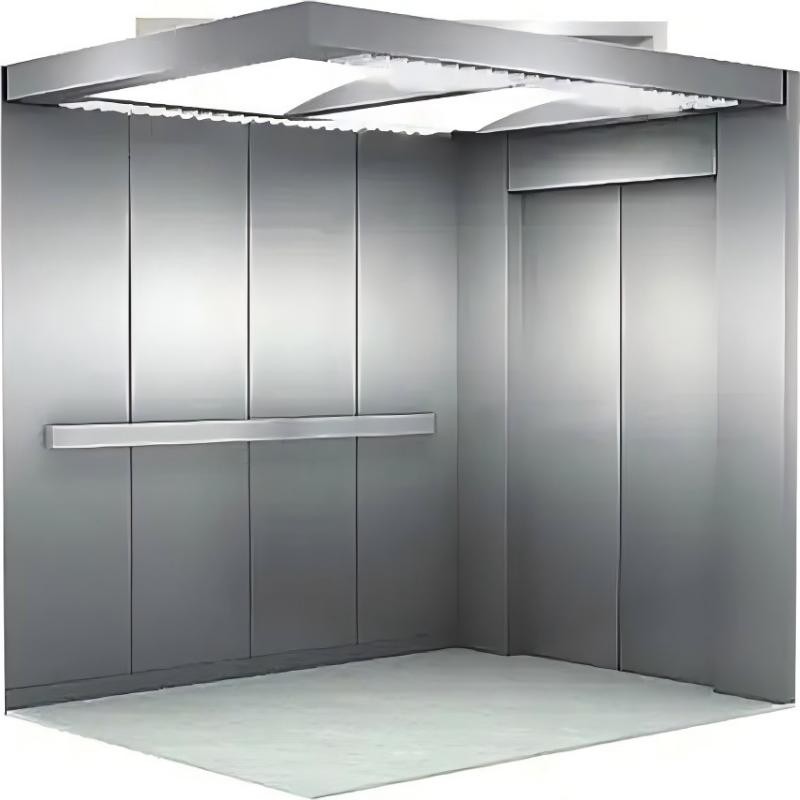
However, larger and bulkier items such as MRI machines or large surgical tables might be a different story. These pieces of equipment are often too big to fit through the standard door openings of a stretcher lift. Even if they could fit through the doors, they might exceed the weight capacity, which could put a strain on the lift's mechanical components and potentially lead to malfunctions or safety hazards.
Safety
Safety is always the top priority in a hospital setting. When using a stretcher lift to transport other medical equipment, we need to make sure that the equipment is properly secured. Just like with a stretcher, if the equipment isn't secured, it could shift during the lift's movement. This not only risks damage to the equipment but could also cause harm to anyone inside the lift.
For example, if a piece of equipment is loose and falls over during the ride, it could hit someone or cause the lift to become unbalanced. To avoid this, we should use appropriate restraints such as straps or brackets to keep the equipment in place. Additionally, we need to ensure that the equipment is in a stable position before starting the lift.
Functionality
Another aspect to consider is whether using the stretcher lift for other medical equipment will affect its functionality for its primary purpose of transporting stretchers. If the lift is constantly being used to carry heavy or bulky equipment, it might experience more wear and tear. This could lead to more frequent breakdowns and maintenance requirements, which would disrupt the normal operation of the lift for stretcher transportation.
On the other hand, if the use of the lift for other medical equipment is occasional and within its capacity, it shouldn't have a significant impact on its overall functionality. For example, using the lift to transport a few small pieces of equipment once a week is unlikely to cause any major issues.
Advantages of Using Stretcher Lifts for Other Medical Equipment
There are some advantages to using hospital stretcher lifts for other medical equipment. Firstly, it's convenient. Instead of having to use multiple elevators or find alternative ways to move the equipment, you can use the existing stretcher lift. This saves time and effort for the hospital staff.
Secondly, it can be cost - effective. Building or installing separate elevators specifically for other medical equipment can be expensive. By using the stretcher lift, hospitals can make the most of their existing infrastructure and potentially save on construction and maintenance costs.
When to Use Alternative Options
Despite the potential benefits, there are times when using a hospital stretcher lift for other medical equipment isn't the best choice. As mentioned earlier, if the equipment is too large or heavy, it's better to look for alternative solutions.
That's where Elevator for Hospital comes in. These are general - purpose hospital elevators that might have larger dimensions and higher weight capacities, making them more suitable for transporting larger medical equipment. Another option is the Hospital Bed Lift, which is designed to handle beds and might also be able to accommodate some larger pieces of equipment. And for really heavy - duty transportation, the Hospital Freight Elevator is the way to go. It's built to handle large and heavy loads, ensuring safe and efficient transportation of all kinds of medical equipment.
In conclusion, hospital stretcher lifts can often be used for transporting other medical equipment, but it depends on the size, weight, and nature of the equipment. It's important to assess the compatibility, safety, and functionality aspects before making a decision. And when the stretcher lift isn't suitable, there are other elevator options available to meet the specific needs of transporting medical equipment in a hospital.
If you're a hospital administrator, facilities manager, or anyone involved in the procurement of hospital elevators, and you're looking for the right solution for your stretcher and medical equipment transportation needs, I'd love to have a chat with you. Whether it's determining if a stretcher lift is right for your other medical equipment or exploring alternative elevator options, I can provide expert advice and high - quality products. Don't hesitate to reach out for a consultation and let's work together to find the best solution for your hospital.
References
- Hospital Elevator Design Standards Handbook
- Medical Equipment Transportation Best Practices Guide
- Safety Regulations for Hospital Elevators


