


Hey there! As a supplier of observation elevators, I've been getting a bunch of questions lately about how we prevent water leakage into the cabin. It's a crucial aspect, especially considering the exposure these elevators have to the elements. So, I thought I'd break it down for you in this blog.
First off, let's talk about the design phase. When we're planning an observation elevator, water - proofing is one of the top priorities. We start by choosing high - quality materials. For the glass panels, we use tempered glass that's not only strong but also has a special water - resistant coating. This coating forms a thin barrier that repels water, much like the way a duck's feathers keep it dry.
The seals around the glass panels are another key element. We use rubber gaskets that are specifically designed to withstand the test of time and the elements. These gaskets are installed with precision, creating a tight seal between the glass and the elevator frame. Over time, normal wear and tear can affect these seals, so we make sure they're easily replaceable. That way, if a seal starts to show signs of damage, our maintenance team can quickly swap it out and keep the water at bay.
Another important part of the design is the drainage system. Observation elevators are often exposed to rain, snow, and condensation. To deal with this, we build in a network of drains. These drains are strategically placed at the lowest points of the elevator structure. When water collects, it naturally flows towards these drains and is then directed out of the elevator system. It's like having a mini - plumbing system for the elevator.
Now, let's move on to the installation process. This is where all the careful planning really pays off. Our installation teams are highly trained and follow strict guidelines. They make sure that the elevator is installed at the correct angle. A slight tilt can help water flow towards the drains more effectively. Also, during installation, they double - check all the seals and connections to ensure there are no gaps.
Once the elevator is up and running, regular maintenance is essential. We offer comprehensive maintenance packages to our clients. Our technicians conduct routine inspections, checking the seals, the drainage system, and the glass coatings. They use specialized tools to detect any signs of water penetration, even if it's just a tiny bit. If they find any issues, they address them right away.
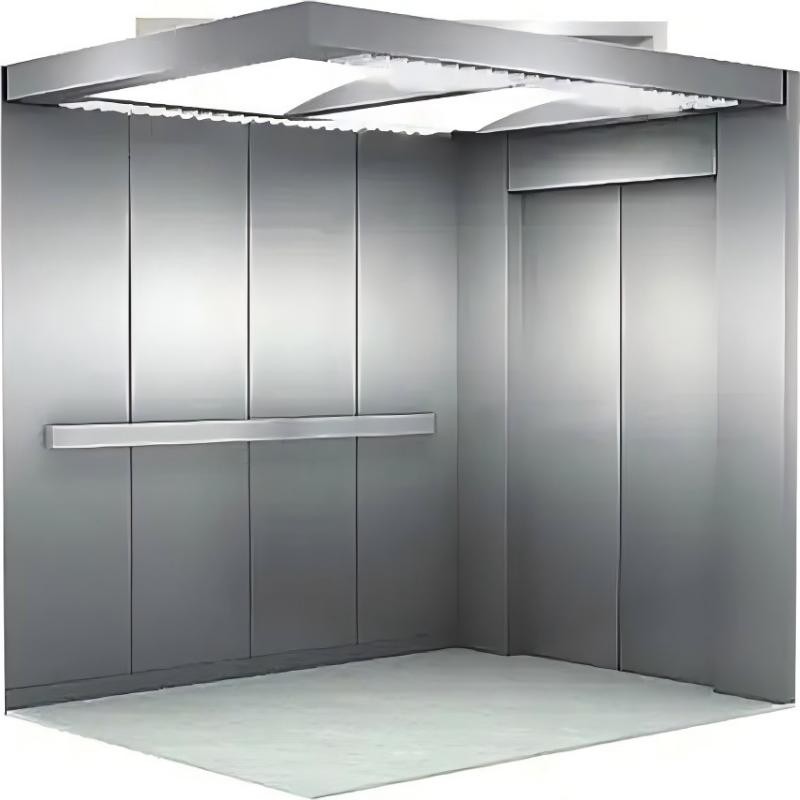

Let's take a look at some real - world examples. In a project we did for a seaside hotel, the observation elevator was exposed to saltwater spray in addition to regular rain. The saltwater can be especially corrosive, so we used extra - durable seals and a more advanced drainage system. Despite the harsh environment, the elevator has been performing flawlessly for years, thanks to our preventive measures.
Now, I want to mention that our observation elevators aren't just great for commercial buildings like hotels. They also have applications in hospitals. If you're interested in hospital - specific elevators, we have some great options. You can check out our Hospital Freight Elevator for transporting heavy equipment, the Elevator for Hospital Bed designed to safely move patients on beds, and our general Elevator for Hospital.
In conclusion, preventing water leakage in observation elevators is a multi - faceted process. It starts with smart design, continues with precise installation, and relies heavily on regular maintenance. We take pride in providing our clients with elevators that are not only beautiful to look at but also reliable and water - tight.
If you're in the market for an observation elevator or any of our hospital - specific elevators, don't hesitate to reach out. We'd love to have a chat and see how we can meet your needs. Whether you're building a new hotel, a hospital, or any other structure, we've got the expertise to deliver a top - notch elevator solution.
References
- Industry standards for elevator waterproofing and design
- Manufacturer's guidelines for materials used in observation elevators
- Case studies from previous elevator installation projects


