Can hospital stretcher lifts be used in pediatric hospitals?
As a supplier of Hospital Stretcher Lifts, I often get asked about the suitability of our products in different hospital settings, especially pediatric hospitals. Pediatric hospitals have unique requirements due to the nature of their patients, who are children with varying levels of medical needs. In this blog post, I will explore whether hospital stretcher lifts can be effectively used in pediatric hospitals and the factors to consider.
The Role of Hospital Stretcher Lifts
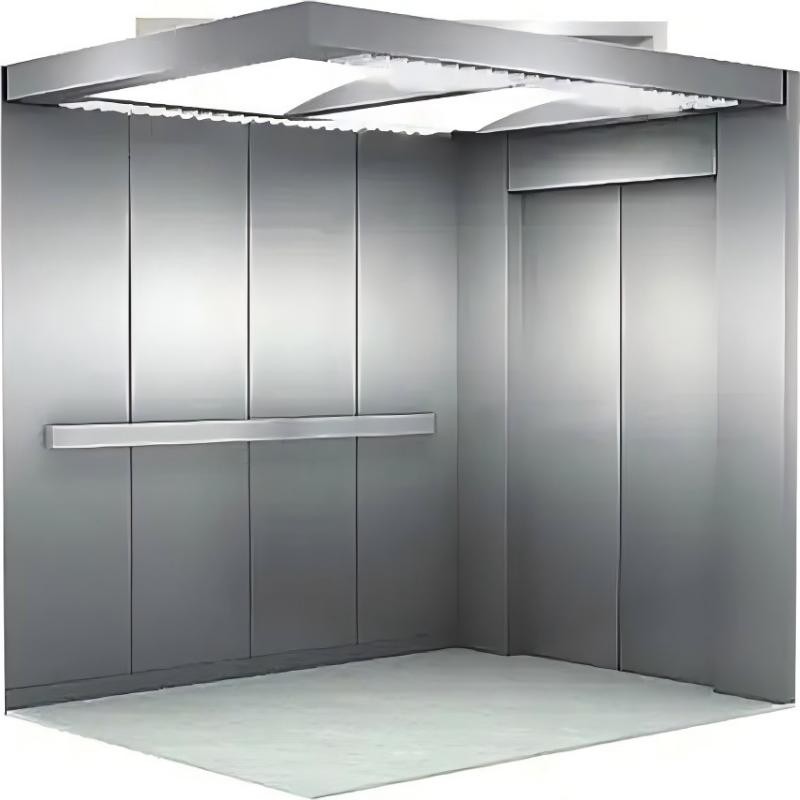
Before delving into the specific use in pediatric hospitals, it's important to understand the general role of hospital stretcher lifts. Hospital stretcher lifts, such as the ones available at Hospital Stretcher Lift, are designed to transport patients on stretchers safely and efficiently between different floors of a hospital. They are equipped with features like large cabins to accommodate stretchers, smooth operation to prevent jolts, and safety mechanisms to ensure the well - being of the patients and the medical staff.
Unique Requirements of Pediatric Hospitals
Pediatric hospitals have a set of distinct requirements compared to general hospitals. Firstly, the patients in pediatric hospitals are often smaller in size, but they may require more delicate handling. Children can be more anxious and less cooperative during transportation, so the environment of the lift needs to be as calming as possible.

Secondly, pediatric hospitals may have a higher volume of small - scale medical equipment and supplies that need to be transported along with the patients. This includes items like incubators for premature babies, small - sized medical monitors, and toys or comfort items for the children.
Thirdly, the layout of pediatric hospitals may be different. They often have dedicated play areas, child - friendly waiting rooms, and specialized treatment areas. The lift system needs to be integrated seamlessly into this unique layout to ensure efficient patient flow.
Suitability of Hospital Stretcher Lifts in Pediatric Hospitals
Safety
Safety is of utmost importance in pediatric hospitals. Hospital stretcher lifts are designed with multiple safety features such as emergency stop buttons, anti - fall devices, and door interlocks. These features are crucial in preventing accidents during patient transportation. For example, the smooth acceleration and deceleration of the lift can prevent sudden movements that may startle or harm the children. The large and stable cabins provide enough space for medical staff to accompany the patient and keep a close eye on their condition.
Capacity and Flexibility
Most hospital stretcher lifts have a sufficient capacity to carry not only the stretcher with the child but also the necessary medical equipment. The flexibility of the lift allows for different types of stretchers, including those used for infants and toddlers. Additionally, the lift can be used to transport other items like small medical carts and supplies, which is essential in a pediatric hospital setting.
Comfort
To address the anxiety of children, hospital stretcher lifts can be customized to create a more child - friendly environment. The interior of the lift can be decorated with bright colors, pictures of cartoons or animals, and soft lighting. This can help to calm the children during the journey. Some modern stretcher lifts also have low - noise operation, which further contributes to a peaceful and comfortable environment.
Integration with Hospital Layout
Hospital stretcher lifts can be designed to fit into the unique layout of pediatric hospitals. They can be installed in strategic locations to connect different departments, such as the emergency department, the pediatric intensive care unit (PICU), and the general wards. This ensures that patients can be transported quickly and efficiently, reducing the time between diagnosis and treatment.
Considerations for Using Hospital Stretcher Lifts in Pediatric Hospitals
Size and Dimensions
While hospital stretcher lifts are generally large enough to accommodate stretchers, it's important to ensure that the lift size is appropriate for the specific needs of the pediatric hospital. For example, if the hospital uses a lot of specialized small - sized equipment, the lift may need to be configured to have additional space or compartments for these items.
Customization
Customization is key when using hospital stretcher lifts in pediatric hospitals. The lift can be customized in terms of interior design, lighting, and even the sound system. For instance, a soft and pleasant background music can be played inside the lift to soothe the children. The control panel can also be designed to be more user - friendly for the medical staff, with clear and easy - to - understand instructions.
Maintenance and Servicing
Regular maintenance and servicing are essential to ensure the safe and efficient operation of the hospital stretcher lift. In a pediatric hospital, any downtime of the lift can have a significant impact on patient care. Therefore, it's important to choose a reliable supplier who can provide prompt and high - quality maintenance services.
Comparison with Other Types of Hospital Lifts
Hospital Freight Elevator
Hospital Freight Elevator is another type of lift commonly used in hospitals. While hospital freight elevators are designed for transporting heavy equipment and large - scale supplies, they may not be as suitable for patient transportation. They lack the specialized features of hospital stretcher lifts, such as the smooth operation and child - friendly environment. However, in some cases, hospital freight elevators can be used in conjunction with stretcher lifts for transporting large medical equipment or bulk supplies.
Hospital Pattern Lift
Hospital Pattern Lift is designed to meet the general transportation needs of hospitals. It can be used for both patients and staff. However, hospital stretcher lifts are more specialized for transporting patients on stretchers. They offer more space and stability for stretcher - bound patients, which is crucial in a pediatric hospital where the patients may be more vulnerable.
Conclusion
In conclusion, hospital stretcher lifts can be effectively used in pediatric hospitals. They offer the necessary safety, capacity, comfort, and flexibility to meet the unique requirements of pediatric patients and the hospital environment. However, careful consideration needs to be given to factors such as size, customization, and maintenance.
If you are a manager or decision - maker in a pediatric hospital and are considering investing in a hospital stretcher lift system, I encourage you to reach out for a detailed discussion. We can provide you with more information about our products, customization options, and how they can be tailored to your specific needs. Contact us to start the procurement and negotiation process and ensure that your pediatric hospital has a reliable and efficient patient transportation system.
References
- "Hospital Elevator Design and Safety Standards", International Hospital Equipment Association.
- "Pediatric Patient Transportation: Best Practices", Journal of Pediatric Healthcare.
- "The Impact of Lift Systems on Hospital Patient Flow", Hospital Management Review.