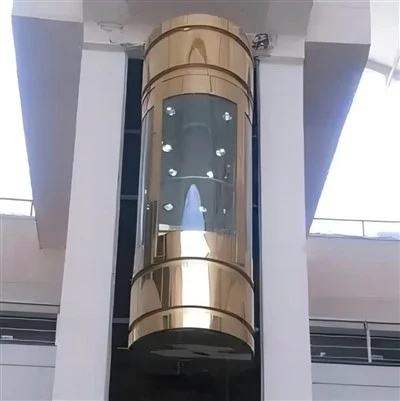
In the realm of industrial and commercial operations, large freight elevators play a pivotal role in transporting heavy loads efficiently between different floors of buildings. These robust machines are designed to handle substantial weights, but like any mechanical equipment, they are prone to failures. As a leading large freight elevator supplier, we understand the challenges associated with mechanical failures and have developed comprehensive strategies to address them effectively.
Understanding the Common Causes of Mechanical Failures
Mechanical failures in large freight elevators can stem from a variety of factors. One of the primary causes is wear and tear. The continuous operation of the elevator, especially when carrying heavy loads, can lead to the deterioration of components such as ropes, pulleys, and brakes. Over time, these parts may experience excessive friction, which can cause them to break or malfunction.
Another common cause is improper maintenance. If the elevator is not serviced regularly, minor issues can escalate into major problems. For example, a lack of lubrication in moving parts can increase friction and lead to premature wear. Additionally, failing to replace worn-out components in a timely manner can also contribute to mechanical failures.
Electrical problems can also pose a significant threat to the proper functioning of large freight elevators. Faulty wiring, short circuits, or problems with the control system can disrupt the elevator's operation and cause it to malfunction. In some cases, electrical failures can even lead to safety hazards, such as sudden stops or uncontrolled movement.
Diagnostic Procedures for Identifying Failures
When a mechanical failure occurs in a large freight elevator, the first step is to conduct a thorough diagnostic process. Our team of experienced technicians is equipped with advanced diagnostic tools and techniques to quickly identify the root cause of the problem.
We start by performing a visual inspection of the elevator's components. This includes checking the ropes, pulleys, brakes, and other mechanical parts for signs of wear, damage, or misalignment. We also examine the electrical system, looking for any visible signs of wiring issues or component failures.
In addition to the visual inspection, we use specialized diagnostic equipment to test the elevator's performance. This may include measuring the tension of the ropes, checking the alignment of the pulleys, and testing the functionality of the brakes. We also use computerized diagnostic tools to analyze the elevator's control system and identify any software or programming issues.
Once we have identified the root cause of the problem, we develop a detailed repair plan. This plan outlines the specific steps that need to be taken to fix the issue, including the replacement of any damaged components and the necessary adjustments to the elevator's settings.


Repair and Maintenance Strategies
After diagnosing the problem, our technicians proceed with the repair process. Depending on the nature and severity of the failure, the repair may involve simple adjustments, component replacements, or more complex overhauls.
For minor issues, such as loose connections or minor misalignments, our technicians can often make the necessary adjustments on-site. This can typically be completed quickly, minimizing downtime and disruption to the elevator's operation.
In cases where a component needs to be replaced, we ensure that we use high-quality replacement parts that are specifically designed for large freight elevators. Our technicians are trained to install these parts correctly, following the manufacturer's specifications and guidelines.
For more complex problems, such as major mechanical failures or electrical system malfunctions, we may need to perform a more comprehensive overhaul of the elevator. This may involve disassembling the elevator, replacing multiple components, and conducting extensive testing to ensure that the elevator is functioning properly.
In addition to repair work, we also emphasize the importance of regular maintenance to prevent mechanical failures from occurring in the first place. Our maintenance programs are tailored to the specific needs of each elevator, taking into account factors such as usage frequency, load capacity, and environmental conditions.
Regular maintenance includes tasks such as lubricating moving parts, checking and adjusting the tension of the ropes, inspecting the brakes, and testing the electrical system. By performing these tasks on a regular basis, we can identify and address potential issues before they become major problems, extending the lifespan of the elevator and reducing the risk of mechanical failures.
Safety Considerations During Repairs
Safety is our top priority when dealing with mechanical failures in large freight elevators. Before starting any repair work, our technicians take all necessary precautions to ensure the safety of themselves and others.
This includes following strict safety protocols, such as wearing appropriate personal protective equipment (PPE), using safety barriers to prevent unauthorized access to the elevator shaft, and ensuring that the elevator is properly locked out and tagged out to prevent accidental operation.
During the repair process, our technicians also pay close attention to safety. They use proper lifting techniques when handling heavy components, and they ensure that all electrical work is performed by qualified electricians in accordance with electrical safety standards.
Once the repair work is completed, our technicians conduct a thorough safety inspection of the elevator to ensure that it is safe to operate. This includes testing the brakes, checking the alignment of the doors, and verifying the functionality of the safety features.
Case Studies: Real - World Examples of Failure Resolution
To illustrate our approach to dealing with mechanical failures, let's look at a few real - world case studies.
In one instance, a large freight elevator in a manufacturing plant was experiencing frequent stops during operation. After conducting a diagnostic test, we discovered that the problem was caused by a worn - out drive belt. Our technicians replaced the drive belt and adjusted the tension, and the elevator has been operating smoothly ever since.
In another case, an elevator in a warehouse was making unusual noises. Our inspection revealed that the problem was due to a misaligned pulley. We realigned the pulley and lubricated the moving parts, which eliminated the noise and restored the elevator's normal operation.
Preventive Measures for Long - Term Reliability
To ensure the long - term reliability of large freight elevators, we recommend implementing a comprehensive preventive maintenance program. This program should include regular inspections, lubrication, and component replacements based on the manufacturer's recommendations.
In addition to regular maintenance, we also suggest investing in high - quality equipment. For example, Traction Freight Elevator systems are known for their reliability and durability, and they can significantly reduce the risk of mechanical failures.
It's also important to train elevator operators properly. Operators should be familiar with the elevator's operation, safety features, and emergency procedures. By following proper operating procedures, they can help prevent unnecessary wear and tear on the elevator and reduce the risk of mechanical failures.
Conclusion
As a large freight elevator supplier, we are committed to providing our customers with reliable and efficient solutions for dealing with mechanical failures. By understanding the common causes of failures, using advanced diagnostic procedures, implementing effective repair and maintenance strategies, and emphasizing safety, we can ensure that our customers' elevators operate smoothly and safely.
If you are in the market for a large freight elevator or need assistance with elevator maintenance and repair, we invite you to [contact us for procurement and negotiation]. Our team of experts is ready to discuss your specific needs and provide you with the best possible solutions.
References
- Elevator Maintenance Handbook, Industry Standard Publications
- Technical Manuals of Leading Elevator Manufacturers
- Safety Regulations for Industrial Elevators by Relevant Authorities