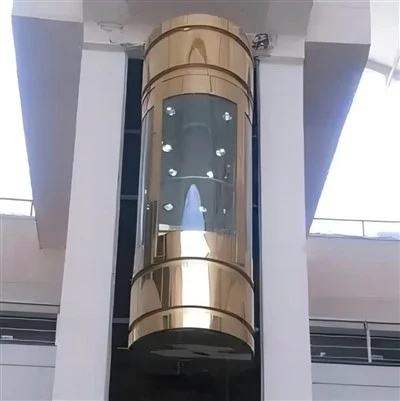
As a supplier of electric passenger lifts, I understand the growing importance of energy efficiency in today's world. Not only does it help reduce operational costs for building owners, but it also contributes to a more sustainable future. In this blog post, I will share some effective strategies on how to improve the energy efficiency of an electric passenger lift.


1. Upgrade to High - Efficiency Motors
One of the most significant factors affecting the energy consumption of an electric passenger lift is the motor. Older lifts often use traditional motors that are less energy - efficient. By upgrading to high - efficiency motors, such as permanent magnet synchronous motors (PMSMs), we can achieve substantial energy savings.
PMSMs have several advantages over conventional motors. They have a higher power density, which means they can deliver more power with less energy input. Their efficiency can reach up to 90% or more, compared to the 70 - 80% efficiency of traditional motors. This improvement in efficiency directly translates into lower electricity bills for building owners.
For example, a mid - rise building with an older lift using a traditional motor might consume a significant amount of energy during peak usage hours. By replacing the motor with a PMSM, the energy consumption can be reduced by up to 30%. This not only saves money but also reduces the building's carbon footprint.
2. Implement Regenerative Drives
Regenerative drives are another excellent way to improve the energy efficiency of an electric passenger lift. When a lift descends, the potential energy of the cabin and its passengers is converted into electrical energy. In a traditional lift system, this energy is dissipated as heat. However, with a regenerative drive, this energy can be captured and fed back into the building's electrical grid or used to power other equipment in the building.
Regenerative drives work by using an inverter to convert the DC power generated during the descent into AC power. This AC power can then be used to offset the energy consumption of the lift during ascent or other electrical loads in the building. Studies have shown that regenerative drives can reduce the overall energy consumption of a lift system by up to 40%.
As a supplier, we can offer lift systems equipped with regenerative drives to our customers. This not only provides them with a more energy - efficient solution but also helps them meet sustainability goals and reduce operating costs in the long run.
3. Optimize Lift Scheduling and Control Systems
The way a lift is controlled and scheduled can also have a significant impact on its energy efficiency. By implementing intelligent control systems, we can ensure that the lift operates in the most energy - efficient manner possible.
For example, group control systems can be used to manage multiple lifts in a building. These systems analyze the traffic patterns and passenger requests in real - time and allocate the lifts accordingly. By minimizing unnecessary stops and idle time, group control systems can reduce the energy consumption of the lift system.
Additionally, destination dispatch systems can be installed to improve the efficiency of lift operations. In a destination dispatch system, passengers enter their desired floor at the lobby. The system then assigns the most appropriate lift to transport them, reducing the number of stops and travel time. This can lead to energy savings of up to 20% compared to traditional push - button control systems.
4. Use Energy - Efficient Lighting and Ventilation in the Passenger Compartment
The lighting and ventilation systems in the Passenger Compartment Of An Elevator also contribute to the overall energy consumption of the lift. By using energy - efficient LED lighting, we can significantly reduce the energy used for illumination. LED lights consume up to 80% less energy than traditional incandescent or fluorescent lights and have a longer lifespan.
In terms of ventilation, the system should be designed to operate only when necessary. For example, sensors can be installed to detect the presence of passengers in the cabin. When no passengers are detected, the ventilation system can be set to a low - power mode or turned off completely. This helps to save energy without compromising the comfort of the passengers.
5. Regular Maintenance and Monitoring
Regular maintenance is crucial for ensuring the energy efficiency of an electric passenger lift. Over time, components such as motors, brakes, and ropes can wear out, which can increase the energy consumption of the lift. By conducting regular inspections and maintenance, we can identify and address any issues before they become major problems.
In addition to maintenance, continuous monitoring of the lift's energy consumption is also important. We can install energy - monitoring devices that track the electricity usage of the lift in real - time. This data can be used to identify trends and patterns, and to make adjustments to the lift's operation or control settings as needed.
6. Consider the Use of Temporary Passenger Lifts
In some cases, such as during building construction or renovation, Temporary Passenger Elevators or Temporary Passenger Lift can be used. These lifts are designed to be energy - efficient and can be easily installed and removed.
Temporary passenger lifts often use advanced technologies such as high - efficiency motors and regenerative drives to minimize energy consumption. They are also designed to be modular, which means they can be customized to meet the specific needs of the project. This flexibility makes them an ideal solution for short - term applications while still maintaining energy efficiency.
Conclusion
Improving the energy efficiency of an electric passenger lift is not only beneficial for the environment but also for the bottom line of building owners. By implementing the strategies mentioned above, such as upgrading to high - efficiency motors, using regenerative drives, optimizing control systems, and ensuring regular maintenance, we can significantly reduce the energy consumption of lift systems.
As a supplier of electric passenger lifts, we are committed to providing our customers with energy - efficient solutions. We offer a wide range of products and services that are designed to meet the highest standards of energy efficiency and sustainability. If you are interested in improving the energy efficiency of your building's lift system or are in the market for a new electric passenger lift, we encourage you to contact us for a consultation. We can help you choose the most suitable lift system for your needs and provide you with detailed information on how to achieve maximum energy savings.
References
- “Energy - Efficient Elevator Technologies” by the Elevator World Magazine.
- Research reports from the International Association of Elevator Engineers on lift energy efficiency.
- Technical documents from motor and drive manufacturers on high - efficiency motor and regenerative drive technologies.