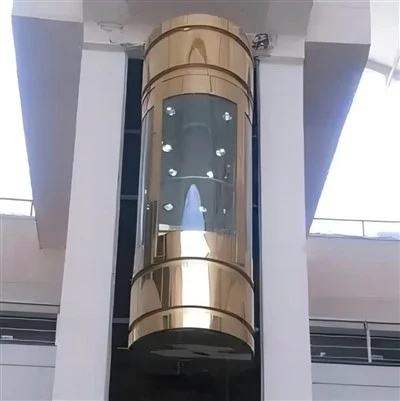
The noise level of a vacuum passenger lift is a crucial factor that significantly impacts the user experience and overall functionality of the lift. As a reputable supplier of vacuum passenger lifts, we understand the importance of maintaining an optimal noise level to ensure a comfortable and efficient transportation system within buildings.
Understanding Noise in Vacuum Passenger Lifts
In a vacuum passenger lift, noise can originate from various sources. One of the primary sources is the mechanical components involved in the lift's operation. The motor, which powers the lift's movement, can generate noise during its functioning. The gears, belts, and pulleys that transfer the power from the motor to the lift car also contribute to the overall noise level. Additionally, the air movement within the vacuum shaft can create noise, especially during the acceleration and deceleration phases of the lift's journey.
The design of the lift car itself can also influence the noise level. Poor insulation or loose fittings within the Passenger Compartment Of Elevator can allow external noise to penetrate, while the vibration of the car's structure can generate its own set of sounds.
Importance of Controlling Noise Levels
Controlling the noise level in a vacuum passenger lift is essential for several reasons. Firstly, it enhances the comfort of the passengers. A noisy lift can be a significant source of annoyance, especially during long rides. It can disrupt conversations, cause stress, and even lead to hearing fatigue over time. By maintaining a low noise level, we ensure that passengers can enjoy a peaceful and relaxing journey within the lift.
Secondly, noise control is crucial for the building's overall environment. In commercial buildings, such as offices and hotels, a quiet lift system contributes to a professional and pleasant atmosphere. It can also help in meeting the acoustic requirements of the building's design, which are often regulated by local building codes.
Finally, from a technical perspective, excessive noise can be an indicator of underlying mechanical problems. A sudden increase in noise levels may suggest that a component is wearing out or malfunctioning. By monitoring and controlling the noise, we can detect and address these issues early, preventing more serious breakdowns and reducing maintenance costs.
Measuring Noise Levels
The noise level of a vacuum passenger lift is typically measured in decibels (dB). The measurement is usually taken at specific points within the lift car, such as at the center of the car floor or at ear level of a standing passenger. The measurement is also taken during different operating conditions, including acceleration, constant speed, and deceleration.
To ensure accurate measurements, we use specialized sound level meters that are calibrated to international standards. These meters are designed to measure the sound pressure level in a wide range of frequencies, allowing us to capture the full spectrum of the lift's noise.
Factors Affecting Noise Levels
Several factors can affect the noise level of a vacuum passenger lift. The speed of the lift is one of the most significant factors. Generally, higher speeds result in higher noise levels, as the mechanical components and air movement are more intense. The design of the lift's motor and drive system also plays a crucial role. Advanced motor technologies, such as permanent magnet synchronous motors, are known for their quiet operation compared to traditional induction motors.
The quality of the lift's construction and installation is another important factor. Proper alignment of the mechanical components, tight fittings, and effective insulation can significantly reduce noise levels. Additionally, the design of the vacuum shaft can impact the noise. A well-designed shaft with smooth walls and proper ventilation can minimize air turbulence and reduce noise.
Our Approach to Noise Reduction
As a supplier of vacuum passenger lifts, we are committed to providing our customers with lifts that have low noise levels. We achieve this through a combination of advanced design, high-quality components, and strict manufacturing and installation standards.
In terms of design, we use computer-aided design (CAD) software to optimize the layout of the lift's mechanical components. This helps in reducing vibration and noise transmission. We also pay close attention to the aerodynamics of the lift car and the vacuum shaft to minimize air resistance and turbulence.
We source our components from reputable manufacturers who are known for their high-quality and quiet operation. Our motors are designed to be energy-efficient and produce minimal noise. The gears, belts, and pulleys are precision-engineered to ensure smooth and quiet operation.


During the manufacturing process, we implement strict quality control measures to ensure that all components meet our high standards. We also conduct thorough testing of the lift before it is installed to ensure that it meets the specified noise level requirements.
Finally, our installation team is highly trained and experienced. They follow strict installation procedures to ensure that the lift is properly aligned and installed. They also pay attention to the insulation and sealing of the lift car to prevent noise from entering.
Comparing with Other Types of Lifts
When comparing the noise level of vacuum passenger lifts with other types of lifts, such as Construction Passenger Lift and Passengers Elevator, vacuum lifts generally have an advantage. Traditional cable-driven lifts often produce more noise due to the movement of the cables and the counterweights. Hydraulic lifts can also be noisy, especially during the operation of the hydraulic pump.
Vacuum passenger lifts, on the other hand, use a unique technology that eliminates the need for cables and counterweights. This results in a simpler and quieter mechanical system. The vacuum environment also helps in reducing air resistance and noise from air movement.
Future Developments in Noise Reduction
As technology continues to evolve, we expect to see further improvements in noise reduction for vacuum passenger lifts. New materials and manufacturing techniques are being developed that can further reduce vibration and noise. For example, the use of composite materials in the lift car's structure can provide better insulation and damping properties.
Advancements in motor technology are also likely to contribute to quieter operation. Future motors may be even more energy-efficient and produce less noise, thanks to improved designs and control algorithms.
In addition, the use of smart sensors and monitoring systems will allow us to continuously monitor the noise levels of the lift and detect any changes in real-time. This will enable us to take proactive measures to address any potential issues before they become serious.
Conclusion
The noise level of a vacuum passenger lift is a critical factor that affects the comfort, functionality, and overall performance of the lift. As a supplier, we are dedicated to providing our customers with lifts that have low noise levels through advanced design, high-quality components, and strict manufacturing and installation standards. By controlling the noise level, we ensure that passengers can enjoy a comfortable and peaceful journey, while also contributing to the building's overall environment.
If you are interested in learning more about our vacuum passenger lifts or would like to discuss your specific requirements, we encourage you to contact us. Our team of experts is ready to assist you in finding the perfect lift solution for your project.
References
- International Organization for Standardization (ISO). ISO 3741:2010 - Acoustics - Determination of sound power levels and sound energy levels of noise sources using sound pressure - Precision methods for anechoic rooms and hemi-anechoic rooms.
- American Society of Heating, Refrigerating and Air-Conditioning Engineers (ASHRAE). ASHRAE Handbook - Fundamentals.
- Building Regulations and Codes related to Acoustics in Different Countries.