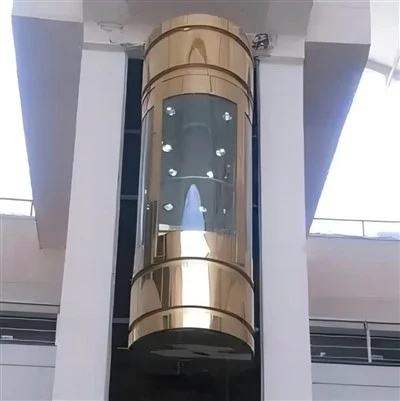
As a reputable passenger elevator supplier, ensuring the reliable and safe operation of elevators is our top priority. Elevator breakdowns can cause significant inconvenience to passengers and disrupt the normal functioning of buildings. In this blog, I will share some effective strategies on how to prevent elevator breakdowns in passenger elevators.
Regular Maintenance and Inspections
Regular maintenance is the cornerstone of preventing elevator breakdowns. Elevators are complex mechanical and electrical systems that require consistent upkeep to function properly. Our company adheres to a strict maintenance schedule for all the passenger elevators we supply, including Traction Passenger Elevator, Office Building Passenger Elevator, and High-End Passenger Elevator.
- Scheduled Maintenance: We recommend that elevators undergo preventive maintenance at least once a month. During these maintenance sessions, our technicians thoroughly inspect all components of the elevator, including the hoistway, car, control system, and safety devices. They check for signs of wear and tear, loose connections, and abnormal noises. For example, they examine the ropes and cables for fraying, the brakes for proper adjustment, and the door mechanisms for smooth operation.
- Lubrication: Proper lubrication is essential for the smooth movement of elevator components. Our technicians ensure that all moving parts, such as the guide rails, pulleys, and bearings, are lubricated at regular intervals. This reduces friction and wear, extending the lifespan of these components and preventing breakdowns.
- Inspections: In addition to monthly maintenance, we also conduct comprehensive inspections on a quarterly and annual basis. These inspections are more in - depth and involve testing the elevator's safety features, such as the overspeed governor, safety gear, and emergency stop buttons. We also check the compliance of the elevator with local safety codes and regulations.
Use of High - Quality Components
The quality of the components used in an elevator directly impacts its reliability and durability. As a passenger elevator supplier, we only source components from trusted manufacturers with a proven track record of quality.
- Motor and Drive System: The motor and drive system are the heart of the elevator. We use high - efficiency motors and advanced drive systems that are designed to provide smooth and reliable operation. These systems are equipped with advanced control algorithms that optimize energy consumption and reduce the risk of breakdowns. For example, variable frequency drives (VFDs) allow for precise control of the elevator's speed and acceleration, reducing stress on the mechanical components.
- Safety Devices: Safety is our top concern, and we install only the highest - quality safety devices in our elevators. The overspeed governor and safety gear are critical components that prevent the elevator from free - falling in case of a malfunction. Our safety devices are regularly tested and certified to meet international safety standards.
- Control System: The control system manages the operation of the elevator, including floor selection, door opening and closing, and speed control. We use state - of - the - art control systems that are reliable and easy to maintain. These systems are equipped with diagnostic features that can detect and report faults in real - time, allowing for quick repairs.
Staff Training and Education
Well - trained staff is essential for the proper operation and maintenance of elevators. We provide comprehensive training programs for elevator operators, maintenance technicians, and building management staff.
- Operator Training: Elevator operators are trained to follow proper operating procedures, such as starting and stopping the elevator smoothly, handling emergency situations, and reporting any abnormal conditions. They are also educated on the importance of regular inspections and maintenance.
- Maintenance Technician Training: Our maintenance technicians undergo continuous training to keep up with the latest technologies and best practices in elevator maintenance. They are trained to diagnose and repair a wide range of elevator problems, from minor mechanical issues to complex electrical faults.
- Building Management Staff Training: Building management staff are trained on how to manage the elevator system effectively. They learn about the elevator's performance indicators, such as uptime and response time, and how to communicate with the maintenance team in case of an emergency.
Environmental Considerations
The environment in which the elevator operates can also affect its performance and reliability. We take environmental factors into account when designing and installing elevators.


- Temperature and Humidity: Extreme temperatures and high humidity can cause damage to elevator components. We ensure that elevators are installed in well - ventilated areas with proper temperature and humidity control. For example, in hot and humid climates, we may install air - conditioning systems in the elevator machine room to keep the components cool and dry.
- Dust and Debris: Dust and debris can accumulate in the elevator hoistway and car, causing problems with the door mechanisms, sensors, and control system. We recommend regular cleaning of the hoistway and car to prevent the build - up of dust and debris.
Monitoring and Predictive Maintenance
With the advancement of technology, we can now use monitoring systems to track the performance of elevators in real - time. These systems collect data on various parameters, such as speed, acceleration, vibration, and temperature.
- Remote Monitoring: Our remote monitoring systems allow us to monitor the elevator's performance from a central control center. We can detect potential problems before they lead to breakdowns and dispatch maintenance technicians to the site immediately. For example, if the system detects an abnormal increase in vibration, it may indicate a problem with the motor or bearings, and we can take preventive action.
- Predictive Maintenance: By analyzing the data collected from the monitoring systems, we can predict when a component is likely to fail. This allows us to schedule maintenance and replacement of components in advance, reducing downtime and preventing breakdowns.
Emergency Preparedness
Despite our best efforts to prevent breakdowns, emergencies can still occur. We have a comprehensive emergency response plan in place to ensure the safety of passengers in case of an elevator breakdown.
- Emergency Communication: All our elevators are equipped with emergency communication devices, such as intercoms and emergency call buttons. These devices allow passengers to communicate with the building management or emergency services in case of an emergency.
- Rescue Procedures: Our maintenance technicians are trained in elevator rescue procedures. In case of a breakdown, they can quickly reach the site and safely rescue the passengers trapped in the elevator. We also conduct regular rescue drills to ensure that our technicians are well - prepared for any emergency situation.
Conclusion
Preventing elevator breakdowns in passenger elevators requires a comprehensive approach that includes regular maintenance, the use of high - quality components, staff training, environmental considerations, monitoring, and emergency preparedness. As a passenger elevator supplier, we are committed to providing our customers with reliable and safe elevator solutions. If you are interested in purchasing passenger elevators or need more information about our products and services, please feel free to contact us for a procurement discussion. We look forward to working with you to ensure the smooth and safe operation of your elevators.
References
- ASME A17.1/CSA B44 Safety Code for Elevators and Escalators
- ISO 22559 - 1:2019 Passenger lifts - Safety rules for the construction and installation of electric lifts
- National Fire Protection Association (NFPA) codes related to elevator safety