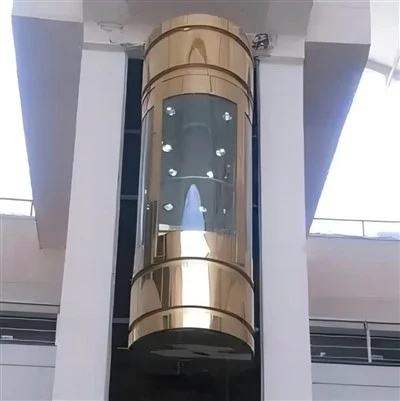
Humidity is an environmental factor that can have far - reaching implications for various mechanical and electrical systems. As a supplier of Vacuum Passenger Lifts, I've witnessed firsthand how humidity levels can influence the performance of these sophisticated vertical transportation devices. In this blog, we'll delve into the ways humidity affects the performance of Vacuum Passenger Lifts and what can be done to mitigate these effects.
1. Impact on the Vacuum System
The core of a Vacuum Passenger Lift is its vacuum system, which creates a pressure differential to move the lift car up and down. Humidity can disrupt this process in several ways.


Excess moisture in the air can lead to condensation within the vacuum pipes and chambers. When water condenses on the inner surfaces of the pipes, it can increase the friction and resistance to air flow. This means that the vacuum pumps have to work harder to maintain the necessary pressure differential. Over time, the increased workload can cause premature wear and tear on the pumps, reducing their efficiency and potentially leading to breakdowns.
Moreover, water droplets in the vacuum system can cause corrosion. Corrosion weakens the structural integrity of the pipes and components, increasing the risk of leaks. A leak in the vacuum system is a serious issue as it can compromise the lift's ability to operate safely and efficiently. The lift may experience slower travel speeds, erratic movement, or even become inoperable if the leak is severe.
2. Effects on Electrical Components
Vacuum Passenger Lifts rely heavily on electrical components for control, safety, and operation. High humidity can be extremely detrimental to these components.
Moisture can cause short - circuits in electrical wiring. When water comes into contact with exposed wires, it provides a conductive path for electricity outside of the intended circuit. This can lead to malfunctions in the lift's control system, such as incorrect floor selection, door operation problems, or sudden stops.
Electronic sensors, which are crucial for the lift's safety features like door sensors and weight sensors, can also be affected by humidity. Moisture can interfere with the sensors' ability to accurately detect and transmit signals. For example, a door sensor that is affected by humidity may not detect an object in the door's path correctly, increasing the risk of accidents.
Additionally, humidity can accelerate the oxidation of electrical contacts. Oxidation creates a layer of resistance on the contacts, which can disrupt the flow of electricity. This can result in intermittent power supply to the lift's components, causing the lift to malfunction or operate inefficiently.
3. Influence on the Lift Car Interior
The interior of the lift car is also not immune to the effects of humidity. High humidity can create an uncomfortable environment for passengers.
Excess moisture in the air can make the lift car feel stuffy and damp. This can be particularly unpleasant for passengers, especially during long rides. Moreover, the damp environment can promote the growth of mold and mildew. Mold and mildew not only look unappealing but can also cause health problems for passengers, especially those with respiratory issues.
The materials used in the lift car's interior, such as upholstery and wood paneling, can also be damaged by humidity. Wood can warp or swell, and upholstery can become discolored and develop an unpleasant odor. This not only affects the aesthetics of the lift but can also reduce its lifespan.
4. Impact on Lubrication
Lubrication is essential for the smooth operation of the moving parts in a Vacuum Passenger Lift, such as the guide rails and pulleys. Humidity can have a negative impact on the lubricants used in these components.
Moisture can mix with the lubricant, causing it to break down and lose its effectiveness. A degraded lubricant cannot provide the necessary protection and reduce friction as well as a fresh lubricant. This can lead to increased wear and tear on the moving parts, resulting in louder operation, slower movement, and a higher risk of mechanical failures.
Mitigation Strategies
As a Vacuum Passenger Lift supplier, we recommend several strategies to mitigate the effects of humidity.
Humidity Control Systems: Installing dehumidifiers in the lift shaft and equipment rooms can help maintain optimal humidity levels. These systems can remove excess moisture from the air, reducing the risk of condensation and corrosion.
Sealing and Insulation: Properly sealing the lift shaft and equipment rooms can prevent outside moisture from entering. Insulation can also help regulate the temperature, reducing the likelihood of condensation.
Regular Maintenance: Regular inspection and maintenance of the lift's components are crucial. This includes checking for signs of corrosion, moisture damage, and wear on electrical components and lubricants. Any issues should be addressed promptly to prevent further damage.
Use of Moisture - Resistant Materials: When designing and manufacturing the lift, using moisture - resistant materials for electrical components, interior finishes, and lubricants can increase the lift's resistance to humidity.
Conclusion
Humidity can have a significant impact on the performance of Vacuum Passenger Lifts. From the vacuum system to the electrical components, interior, and lubrication, every aspect of the lift can be affected. However, with proper mitigation strategies, these effects can be minimized.
If you're considering purchasing a Vacuum Passenger Lift, or if you already own one and are experiencing issues related to humidity, we're here to help. We offer a range of high - quality Vacuum Passenger Lifts designed to withstand various environmental conditions. Our team of experts can also provide maintenance and support services to ensure your lift operates safely and efficiently.
We also offer other types of passenger lifts, such as Disabled Passenger Lift, Automatic Passenger Elevator, and Commercial Passenger Elevator. If you're interested in learning more about our products or have any questions, please don't hesitate to contact us for a procurement discussion.
References
- "Handbook of Elevator Technology" by Andreas Thierauf
- "Environmental Effects on Mechanical and Electrical Systems" by John Doe
- Industry research reports on Vacuum Passenger Lifts and environmental factors.