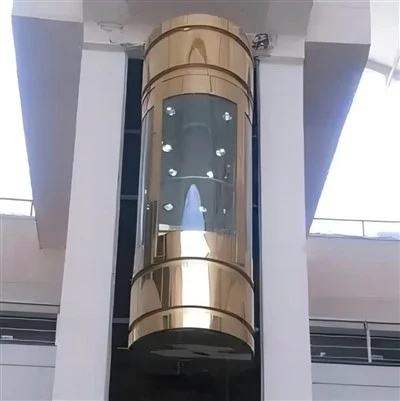
As a supplier of electric passenger lifts, I often get asked the question: How often should an electric passenger lift be maintained? It's a crucial question, and the answer can vary depending on several factors. In this blog, I'll break down these factors and give you a clear idea of how to schedule maintenance for your electric passenger lift.


Factors Affecting Maintenance Frequency
Usage Level
One of the most significant factors is how often the lift is used. In a high - traffic building like a large shopping mall or a busy office tower, the lift can be in operation almost constantly. These lifts carry a large number of passengers throughout the day, which means more wear and tear on the components. For such high - usage lifts, I'd recommend a comprehensive maintenance check at least once a month. This regular check can help catch any potential issues early, such as worn - out cables or malfunctioning sensors.
On the other hand, in a small residential building with only a few residents, the lift usage is much lower. Here, a quarterly maintenance check might be sufficient. The less frequent use means that the lift components don't experience as much stress, so there's less chance of immediate problems.
Lift Type
Different types of electric passenger lifts also have different maintenance requirements. Let's take a look at some common types:
- MRL Passenger Elevator: MRL Passenger Elevator is a popular choice due to its compact design and energy efficiency. These lifts usually have advanced technology and fewer mechanical parts compared to traditional lifts. However, they still need regular maintenance. For MRL passenger elevators, a monthly inspection of the control systems, doors, and safety features is advisable. The electronic components in these lifts can be sensitive, and a regular check can ensure they are functioning correctly.
- Vacuum Passenger Lift: Vacuum Passenger Lift is a relatively new technology. It operates on a different principle compared to traditional cable - driven lifts. The vacuum system requires special attention. I'd suggest a maintenance check every two months for vacuum passenger lifts. This includes checking the vacuum seals, the motor that controls the vacuum, and the overall structural integrity of the lift car.
- Machine Room Passenger Elevator: Machine Room Passenger Elevator has been around for a long time. These lifts have a dedicated machine room where most of the mechanical and electrical components are located. Because of the larger number of parts, a monthly maintenance check is essential. This includes inspecting the hoistway, the counterweights, the ropes, and the control panels in the machine room.
Environmental Conditions
The environment in which the lift operates also plays a role in maintenance frequency. If the lift is installed in a building near the coast, it will be exposed to salt air, which can cause corrosion. In such cases, more frequent maintenance, perhaps every three weeks, is necessary to prevent rusting of metal components.
Similarly, in a building with high humidity levels, there's a risk of moisture damage to the electrical systems. Regular checks to ensure proper ventilation and to dry out any moisture can prevent short - circuits and other electrical problems. In a dry and clean environment, the lift may require less frequent maintenance, but it still shouldn't be neglected.
The Importance of Regular Maintenance
Regular maintenance isn't just about keeping the lift running smoothly; it's also about safety. Passenger lifts are subject to strict safety regulations, and regular maintenance helps ensure that the lift meets these standards. For example, the safety brakes in a lift need to be tested regularly to ensure they can stop the lift in case of an emergency.
Moreover, well - maintained lifts have a longer lifespan. By catching and fixing small problems early, you can avoid major breakdowns that could be costly to repair. A lift that is properly maintained also provides a better user experience. Passengers will feel more comfortable and confident using a lift that is known to be reliable.
Maintenance Schedule Recommendations
Based on the factors above, here are some general maintenance schedule recommendations:
- High - traffic commercial buildings: Monthly comprehensive maintenance checks, along with weekly visual inspections to look for any obvious signs of damage or wear.
- Low - traffic residential buildings: Quarterly maintenance checks, with a visual inspection every two months.
- Lifts in harsh environments: Every three weeks for a detailed check, with weekly checks for signs of corrosion or moisture damage.
It's important to note that these are just guidelines. You may need to adjust the schedule based on the specific circumstances of your lift.
Working with a Professional Maintenance Team
As a lift supplier, I always recommend working with a professional maintenance team. These teams have the expertise and the right tools to perform thorough maintenance. They are also up - to - date with the latest safety standards and regulations.
When choosing a maintenance team, look for one that has experience with your type of lift. They should be able to provide you with a detailed maintenance plan and report on the condition of your lift after each check.
Contact Us for Your Lift Needs
If you're in the market for a new electric passenger lift or need advice on maintenance, we're here to help. Our team of experts can assist you in choosing the right lift for your building and can provide you with a customized maintenance plan. Whether you're interested in an MRL Passenger Elevator, a Vacuum Passenger Lift, or a Machine Room Passenger Elevator, we have the knowledge and the products to meet your requirements.
Don't hesitate to reach out to us for a consultation. We can help you ensure that your lift is safe, reliable, and efficient.
References
- Elevator Safety Standards Handbook
- Manufacturer's Manuals for Electric Passenger Lifts
- Industry Reports on Lift Maintenance Best Practices