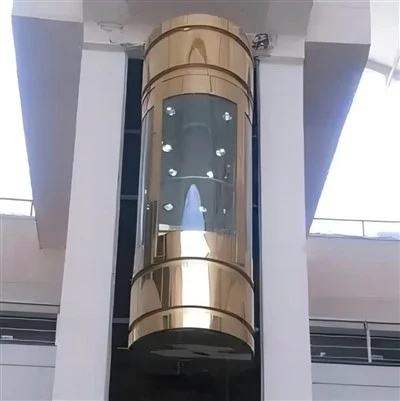
Hey there! I'm a supplier of single passenger lifts, and today I wanna talk about something super important: the air - circulation requirements for a single passenger lift.
Let's start with why air circulation in a single passenger lift is a big deal. When you're in a lift, even if it's just for a short time, you need fresh air. Poor air circulation can lead to a bunch of problems. You might start feeling stuffy, and in some cases, it can even cause health issues, especially for people with breathing problems.
First off, let's look at the basic air - exchange rate. According to industry standards, a single passenger lift should have an air - exchange rate of at least 6 air changes per hour. What does that mean? Well, it means that the entire volume of air inside the lift should be replaced with fresh air six times every hour. This helps to keep the air clean and reduces the concentration of any pollutants or odors that might build up.
Now, how do we achieve this air - exchange rate? There are a few ways. One common method is through the use of ventilation ducts. These ducts are connected to the lift shaft and the outside air. The lift's ventilation system draws in fresh air from the outside and expels the stale air inside the lift. It's like having a little breath of fresh air constantly flowing in and out.
Another important factor is the size of the ventilation openings. The openings should be large enough to allow for sufficient air flow. If they're too small, the air won't be able to move freely, and the air - exchange rate won't be met. A good rule of thumb is that the total area of the ventilation openings should be at least 2% of the floor area of the lift car.
We also need to consider the quality of the air being brought in. The air outside might have pollutants, dust, or allergens. That's why it's important to have filters in the ventilation system. These filters can trap these unwanted particles and ensure that the air inside the lift is clean and healthy to breathe.
Now, let's talk about different types of single passenger lifts and how their air - circulation requirements might vary. For example, the Automatic Passenger Elevator usually has a more advanced ventilation system. Since it's designed for regular use, it needs to maintain a high level of air quality. The ventilation system in an automatic passenger elevator is often more powerful and efficient to handle the continuous flow of passengers.
The Disabled Passenger Lift also has specific air - circulation needs. People with disabilities might be more sensitive to air quality. So, the lift should have a well - designed ventilation system that can provide a constant supply of fresh air. Additionally, the ventilation system should be quiet so as not to cause any discomfort to the passengers.
The Traction Passenger Elevator has its own unique features when it comes to air circulation. The traction system itself can generate heat, which can affect the air inside the lift. To counter this, the ventilation system needs to be able to remove the heat as well as exchange the air. This might require a more complex ventilation setup.
When it comes to installation and maintenance, it's crucial to get it right. During installation, the ventilation ducts need to be properly connected and sealed. Any leaks in the ducts can reduce the efficiency of the air - circulation system. Regular maintenance is also essential. The filters need to be replaced regularly, and the ventilation system should be checked for any blockages or malfunctions.


As a single passenger lift supplier, I understand the importance of meeting these air - circulation requirements. We make sure that all our lifts are designed and built with the best ventilation systems possible. Our team of experts is always on top of the latest industry standards and technologies to ensure that our lifts provide a comfortable and healthy environment for passengers.
If you're in the market for a single passenger lift, it's important to consider the air - circulation features. A lift with good air circulation can make a huge difference in the overall passenger experience. It can reduce the feeling of stuffiness and make the ride more pleasant.
So, if you're interested in learning more about our single passenger lifts or have any questions about air - circulation requirements, don't hesitate to reach out. We're here to help you find the perfect lift for your needs. Whether it's for a residential building, a small office, or a public space, we've got you covered.
Let's work together to ensure that your passengers enjoy a fresh and comfortable ride every time they step into the lift. Contact us today to start the conversation about your lift requirements and let's make it happen!
References
- Industry standards for lift ventilation systems
- Technical manuals of single passenger lift manufacturers