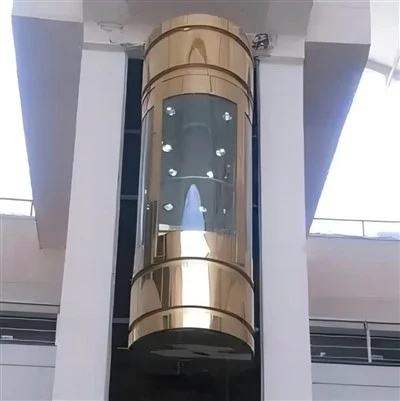
As a dedicated supplier of elevators specifically designed for hospitals, I've witnessed firsthand the critical role these vertical transportation systems play in healthcare facilities. Beyond the obvious functions of moving patients, staff, and equipment, hospital elevators are now at the forefront of energy - saving initiatives. In this blog, I'll explore the various energy - saving features of hospital elevators that make them not only efficient but also environmentally friendly.
Regenerative Drives
One of the most significant energy - saving features in modern hospital elevators is the use of regenerative drives. Traditional elevator systems consume a substantial amount of energy when moving upwards, but they dissipate energy as heat when moving downwards. Regenerative drives, on the other hand, capture the energy generated during the downward movement of the elevator car and convert it back into electrical energy. This recovered energy can then be fed back into the building's electrical grid or used to power other equipment within the hospital.
For example, in a large hospital with multiple elevators, the cumulative energy savings from regenerative drives can be quite substantial. Over time, this not only reduces the hospital's energy costs but also decreases its carbon footprint. According to industry research, elevators equipped with regenerative drives can save up to 30% of the energy typically consumed by non - regenerative systems.
LED Lighting
Another energy - saving feature commonly found in hospital elevators is LED lighting. Traditional incandescent or fluorescent lights are not only less energy - efficient but also generate a significant amount of heat. In a confined space like an elevator car, this excess heat can contribute to increased air - conditioning loads, further consuming energy.
LED lights, however, are highly energy - efficient, using up to 80% less energy than traditional lighting sources. They also have a much longer lifespan, reducing the frequency of bulb replacements and maintenance costs. In a hospital setting, where elevators are in constant use, the energy savings from LED lighting can add up quickly. Moreover, LED lights can be dimmed or adjusted according to the elevator's usage, further optimizing energy consumption.
Variable Frequency Drives (VFDs)
Variable Frequency Drives are another essential energy - saving component in hospital elevators. VFDs allow the elevator motor to adjust its speed according to the load and the required travel distance. In a traditional elevator system, the motor runs at a constant speed, regardless of the load. This often results in unnecessary energy consumption, especially when the elevator is carrying a light load or traveling a short distance.
With VFDs, the elevator motor can operate at a lower speed when the load is light or the travel distance is short, consuming less energy. When a heavier load or a longer travel distance is detected, the motor can increase its speed accordingly. This dynamic adjustment of the motor's speed not only saves energy but also reduces wear and tear on the elevator components, extending their lifespan.
Smart Control Systems
Modern hospital elevators are often equipped with smart control systems that optimize elevator operation for energy efficiency. These systems use advanced algorithms to analyze elevator traffic patterns, passenger demand, and other factors to determine the most efficient way to operate the elevators.
For instance, a smart control system can group passengers traveling in the same direction, reducing the number of stops and the overall travel time of the elevator. It can also predict peak and off - peak hours and adjust the elevator's operation accordingly. During off - peak hours, the system can put some elevators into standby mode to save energy, while ensuring that there are still enough elevators available to meet the minimal demand.


Energy - Efficient Materials
The materials used in the construction of hospital elevators also contribute to energy savings. For example, using high - quality insulation materials in the elevator shaft and car can reduce heat transfer, minimizing the energy required to maintain a comfortable temperature inside the elevator. Additionally, lightweight yet strong materials can be used for the elevator car and counterweights. A lighter elevator car requires less energy to move, resulting in energy savings.
Air Pressure Management
Proper air pressure management in hospital elevators is another aspect of energy efficiency. When an elevator moves up or down, it creates air pressure changes in the shaft. If not managed properly, these pressure changes can cause air leakage, which not only affects the comfort of passengers but also increases the energy consumption of the building's ventilation system.
Modern hospital elevators are designed with air pressure management systems that minimize air leakage. These systems use seals and dampers to maintain a stable air pressure inside the elevator shaft, reducing the load on the ventilation system and saving energy.
Energy - Saving Design for Hospital - Specific Elevators
In addition to the general energy - saving features mentioned above, hospital - specific elevators such as Hospital Freight Elevator, Hospital Pattern Lift, and Hospital Bed Elevator have their own unique energy - saving design considerations.
Hospital freight elevators are often used to transport heavy equipment and supplies. To save energy, these elevators can be designed with larger counterweights to balance the heavy loads more effectively. This reduces the amount of energy required to move the elevator up and down.
Hospital pattern lifts are typically used for smaller vertical transportation needs within the hospital. These lifts can be designed with energy - efficient motors and control systems that are optimized for their specific usage patterns.
Hospital bed elevators, which are used to transport patients on beds, require a smooth and stable ride. Energy - saving features in these elevators can include advanced suspension systems that reduce friction and energy consumption during operation.
Conclusion
The energy - saving features of hospital elevators are numerous and diverse. From regenerative drives and LED lighting to smart control systems and energy - efficient materials, these features not only reduce energy consumption and costs but also contribute to a more sustainable and environmentally friendly healthcare environment.
As a supplier of hospital elevators, I am committed to providing hospitals with the most advanced and energy - efficient elevator solutions. If you are a hospital administrator, facility manager, or anyone involved in the procurement of hospital elevators, I encourage you to contact us to discuss how our energy - saving elevator solutions can meet your specific needs. We are ready to work with you to design and install elevators that not only enhance the functionality of your hospital but also help you achieve your energy - saving goals.
References
- "Energy - Efficient Elevator Technologies: A Review." Journal of Building and Environment.
- "The Impact of Regenerative Drives on Elevator Energy Consumption." International Journal of Energy Research.
- "LED Lighting in Vertical Transportation: Energy Savings and Benefits." Lighting Research and Technology.