Small freight elevators are essential components in various settings, offering unique solutions for vertical transportation of goods. As a supplier of small freight elevators, I've witnessed firsthand the diverse benefits and limitations these systems present. In this blog, I'll explore the advantages and disadvantages of small freight elevators to help you make an informed decision when considering their installation.
Advantages of Small Freight Elevators
Space Efficiency
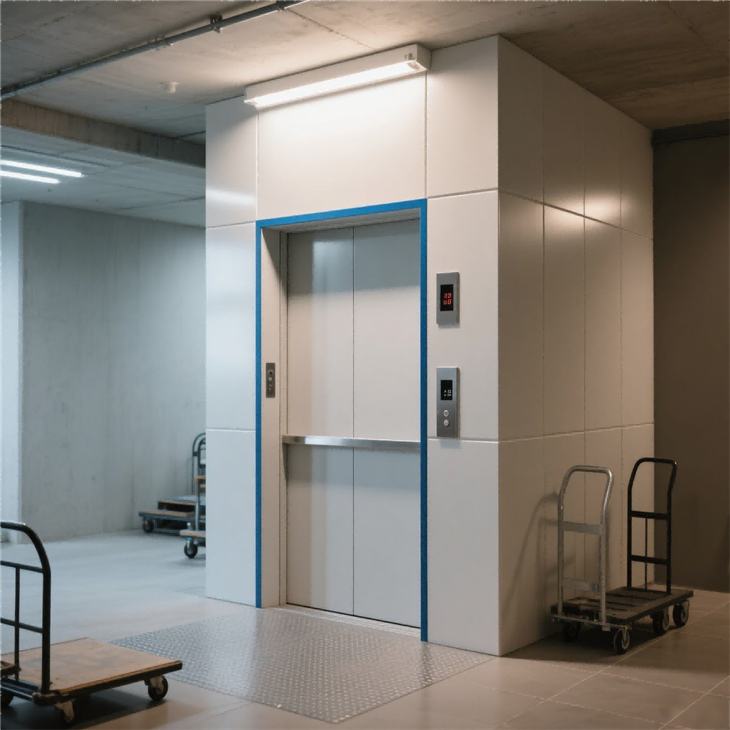
One of the most significant advantages of small freight elevators is their space - saving design. In facilities where floor space is at a premium, such as small warehouses or multi - story apartments, a small freight elevator can fit into tight corners without consuming excessive area. Unlike larger freight elevators, which may require substantial shaft space, small freight elevators can be customized to fit the available footprint. For example, in an Apartment Freight Elevator installation, the compact design allows for easy integration into the building's structure without sacrificing living or common areas.

Cost - Effectiveness
Small freight elevators generally come with a lower price tag compared to their larger counterparts. The initial purchase cost is reduced due to the smaller size of the elevator car, hoistway, and associated equipment. Additionally, installation costs are often lower as less construction work is required to create the shaft and support the elevator. This makes small freight elevators an attractive option for small businesses or property owners with budget constraints. Moreover, the operational costs are relatively low, including energy consumption, as the elevator requires less power to move smaller loads.
Versatility
These elevators are highly versatile and can be used in a wide range of applications. They are suitable for light - duty freight transportation in settings such as small commercial buildings, restaurants, and workshops. In a restaurant, for instance, a small freight elevator can be used to transport food supplies from the basement storage to the kitchen on the upper floors. In a workshop, it can move tools and small equipment between different levels. They can also be configured to meet specific requirements, such as different door types (hinged, sliding) and loading capacities.
Easy Installation and Maintenance
Small freight elevators are typically easier to install than larger ones. Their smaller size means that the installation process is less complex and time - consuming. This minimizes disruptions to the normal operations of the building. In terms of maintenance, the simplicity of the design makes it easier for technicians to access and service the components. There are fewer parts to maintain, and replacement parts are often more readily available and less expensive. This results in lower maintenance costs and less downtime for the elevator.
Safety Features
Modern small freight elevators are equipped with a variety of safety features. These include emergency stop buttons, overload protection, door interlocks, and safety brakes. The emergency stop button allows users to halt the elevator immediately in case of an emergency. Overload protection prevents the elevator from operating when the load exceeds its rated capacity, reducing the risk of mechanical failure. Door interlocks ensure that the doors cannot be opened when the elevator is in motion, protecting users from falls. Safety brakes are designed to stop the elevator in case of a sudden loss of power or other malfunctions.
Disadvantages of Small Freight Elevators
Limited Load Capacity
The most obvious disadvantage of small freight elevators is their limited load capacity. They are designed to handle relatively light loads, typically ranging from a few hundred kilograms to a couple of tons. This makes them unsuitable for transporting large or heavy items such as industrial machinery or large pallets of goods. In a Warehouse Elevator application, if the warehouse deals with large - scale inventory and heavy equipment, a small freight elevator may not be able to meet the transportation needs.
Slower Speed
Small freight elevators generally operate at slower speeds compared to larger commercial freight elevators. This is because they are designed for light - duty applications and do not require high - speed operation. The slower speed can be a drawback in situations where quick transportation of goods is essential, such as in a busy distribution center. Delays in moving goods between floors can affect the overall efficiency of the operation.
Limited Customization for Heavy - Duty Use
While small freight elevators offer some customization options, they have limitations when it comes to heavy - duty use. For example, it may be difficult to significantly increase the load capacity or speed of a small freight elevator without major modifications to the design and structure. This can be a problem for businesses that anticipate future growth and may need to transport heavier or larger loads over time.
Long - Term Durability Concerns
In some cases, small freight elevators may have long - term durability issues, especially if they are subjected to heavy use. The smaller components may wear out more quickly compared to those in larger, more robust elevators. This can lead to more frequent breakdowns and the need for more extensive repairs over time. If the elevator is used continuously in a high - traffic environment, the wear and tear on the components can be accelerated.
Conclusion
Small freight elevators offer several advantages, including space efficiency, cost - effectiveness, versatility, easy installation and maintenance, and safety features. However, they also have limitations such as limited load capacity, slower speed, limited customization for heavy - duty use, and potential long - term durability concerns. When considering the installation of a small freight elevator, it is crucial to carefully evaluate your specific needs, including the type and volume of goods to be transported, the available space, and your budget.
If you are interested in learning more about our small freight elevators or are considering a purchase, I encourage you to reach out to us. We can provide you with detailed information, customized solutions, and expert advice to help you choose the right elevator for your application. Our team of professionals is dedicated to ensuring that you get the best value for your investment and a reliable elevator system that meets your requirements.
References
- Elevator Industry Handbook, [Publisher], [Year]
- Small - Scale Freight Transportation Research, [Research Institution], [Year]
- Safety Standards for Small Freight Elevators, [Standard - Setting Organization], [Year]