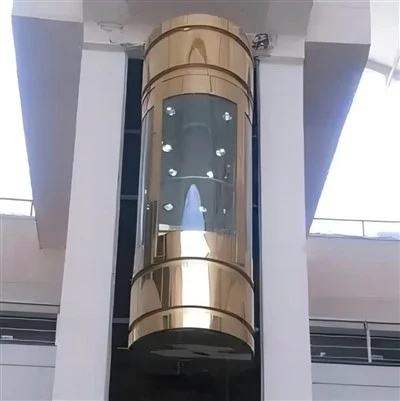
A maternity ward in a hospital is a specialized area that requires specific amenities and facilities to ensure the safety and comfort of mothers, newborns, and medical staff. Among these facilities, elevators play a crucial role. As a supplier of hospital elevators, I have had the opportunity to understand the unique features that a hospital elevator for a maternity ward should possess.
Safety Features
Safety is the top priority when it comes to any hospital elevator, especially those serving the maternity ward. The elevator should be equipped with advanced safety systems to prevent accidents and ensure the well - being of passengers.
One of the key safety features is an emergency stop button. In case of any unexpected situation, such as a sudden power failure or a mechanical problem, the emergency stop button allows passengers to halt the elevator immediately. This feature is essential as it can prevent further harm and give medical staff time to assess the situation and take appropriate action.
Another important safety aspect is the anti - entrapment system. The elevator doors should be designed with sensors that detect any obstruction. If an object or a person is detected between the doors, the doors will automatically open to prevent entrapment. This is particularly important in a maternity ward, where there may be medical equipment, stretchers, or even small children around the elevator area.
The elevator should also have a reliable ventilation system. In the event of an emergency, proper ventilation ensures that passengers have access to fresh air. This is vital for the health of mothers and newborns, who may be more vulnerable to poor air quality.
Comfort and Accessibility
Comfort is another significant factor for a maternity ward elevator. Mothers who have just given birth are often in a delicate physical state and need a comfortable environment during their elevator rides.
The interior of the elevator should be spacious. It should be able to accommodate stretchers, wheelchairs, and medical staff without feeling cramped. A larger elevator allows for easy movement of patients and equipment, reducing the risk of collisions and ensuring a smooth transfer process.
Soft lighting is also important. Harsh, bright lights can be uncomfortable for mothers and newborns, especially in the early days after birth. Soft, warm lighting creates a more soothing and relaxing atmosphere, which is beneficial for the well - being of the passengers.
In terms of accessibility, the elevator should be equipped with Braille buttons. This allows visually impaired patients and staff to operate the elevator independently. Additionally, audible announcements should be provided to inform passengers of the elevator's current floor and direction.
Hygiene and Cleanliness
Hygiene is of utmost importance in a hospital environment, and the maternity ward is no exception. The elevator for a maternity ward should be designed to be easy to clean and maintain.
The interior surfaces of the elevator should be made of non - porous materials. Non - porous materials are less likely to harbor bacteria and viruses, making them easier to disinfect. Stainless steel is a popular choice for elevator interiors as it is durable, easy to clean, and resistant to corrosion.
The elevator should also have a regular cleaning schedule. As a supplier, we can provide guidelines on the best cleaning practices to ensure that the elevator remains hygienic at all times. This may include using appropriate disinfectants and cleaning the elevator at least once a day.
Specialized Design for Medical Equipment
Maternity wards often require the use of specialized medical equipment, such as stretchers and incubators. The elevator should be designed to accommodate these items safely and efficiently.
The Hospital Stretcher Lift is specifically designed to handle stretchers. It has a larger door opening and a flat floor, which allows for easy loading and unloading of stretchers. The elevator's weight capacity should also be sufficient to carry the stretcher along with the patient and any additional medical equipment.
The Bed Lift In Hospital is another important consideration. It is designed to transport beds safely between floors. The elevator should have a smooth and stable ride to prevent any jolts or vibrations that could be uncomfortable for the patient.
Integration with Hospital Systems
A modern maternity ward elevator should be integrated with the hospital's overall systems. This includes the hospital's emergency response system, security system, and patient tracking system.


In the event of an emergency, the elevator can be integrated with the hospital's emergency response system. This allows the elevator to be automatically redirected to the appropriate floor or to be put on hold to facilitate emergency access.
The elevator can also be connected to the hospital's security system. This may include features such as access control, which restricts elevator access to authorized personnel only. This enhances the security of the maternity ward and protects the privacy of patients.
Patient tracking systems can be integrated with the elevator as well. This allows medical staff to monitor the movement of patients between floors, ensuring that they are transferred to the correct departments in a timely manner.
Durability and Reliability
A maternity ward elevator needs to be durable and reliable. It will be in constant use, transporting patients, medical staff, and equipment throughout the day.
The elevator should be built with high - quality components. Quality motors, cables, and control systems ensure a long - lasting and reliable performance. Regular maintenance is also essential to keep the elevator in optimal condition. As a supplier, we offer maintenance services to ensure that the elevator operates smoothly and safely at all times.
A reliable elevator also reduces the risk of downtime. In a hospital setting, any elevator breakdown can cause significant disruptions to patient care. Therefore, choosing a durable and reliable elevator is crucial for the efficient operation of the maternity ward.
Cost - effectiveness
While the features mentioned above are important, cost - effectiveness is also a consideration for hospitals. As a supplier, we understand the budget constraints that hospitals face.
We offer a range of elevator models with different features and price points. Hospitals can choose the elevator that best suits their needs and budget. Our Hospital Pattern Lift is a cost - effective option that still provides many of the essential features required for a maternity ward.
In addition, our elevators are designed to be energy - efficient. This helps hospitals save on their energy costs in the long run. By using advanced technologies, such as regenerative drives, our elevators can recover and reuse energy, reducing overall energy consumption.
Conclusion
A hospital elevator for a maternity ward needs to have a combination of safety, comfort, accessibility, hygiene, and specialized design features. As a supplier of hospital elevators, we are committed to providing high - quality elevators that meet the unique requirements of maternity wards.
If you are interested in learning more about our hospital elevator solutions for maternity wards or would like to discuss a potential purchase, we encourage you to reach out to us for a procurement negotiation. Our team of experts is ready to assist you in finding the best elevator solution for your hospital.
References
- "Hospital Elevator Design and Safety Standards", International Association of Hospital Equipment Manufacturers
- "Comfort and Accessibility in Healthcare Facilities", Journal of Healthcare Architecture
- "Hygiene Practices in Hospital Elevators", Hospital Hygiene Research Institute