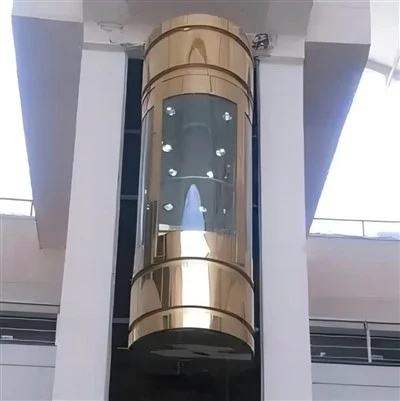
What are the installation requirements for a panoramic elevator?
As a leading panoramic elevator supplier, I've had the privilege of being involved in numerous installation projects. Panoramic elevators are not just functional means of vertical transportation; they are also architectural marvels that enhance the aesthetic appeal of buildings while providing passengers with breathtaking views. However, the installation of a panoramic elevator is a complex process that requires careful planning and adherence to specific requirements.
Structural Requirements
The first and foremost consideration in the installation of a panoramic elevator is the structural integrity of the building. The elevator shaft and the surrounding structure must be able to support the weight of the elevator car, counterweights, and passengers. A structural engineer should conduct a thorough analysis of the building to determine if it can withstand the additional loads imposed by the elevator.
The elevator shaft should be constructed with materials that are strong enough to resist the forces generated during normal operation and in the event of an emergency. Reinforced concrete is a common choice for elevator shafts due to its high strength and durability. The shaft walls should be smooth and plumb to ensure the proper alignment of the elevator car and guide rails.
In addition to the shaft, the building's foundation must also be capable of supporting the elevator. The foundation should be designed to distribute the loads evenly and prevent settlement or movement that could affect the elevator's performance.
Space Requirements
Panoramic elevators require a significant amount of space for installation. The elevator shaft must be large enough to accommodate the elevator car, counterweights, and guide rails, as well as provide sufficient clearance for maintenance and inspection. The size of the shaft will depend on the type and capacity of the elevator.
For example, our Small Capsule Lift is designed for smaller buildings and requires a relatively compact shaft. On the other hand, our Square Panoramic Elevator and Observation Elevator are larger and may require more space.


In addition to the shaft, there should also be enough space at the elevator landings for passengers to enter and exit the elevator safely. The landings should be level and free of obstacles, and there should be sufficient headroom to prevent passengers from hitting their heads.
Electrical Requirements
Panoramic elevators rely on a reliable electrical supply to operate. The building's electrical system must be able to provide the necessary power to the elevator motor, control system, and other components. A licensed electrician should conduct a load calculation to ensure that the electrical system can handle the additional load of the elevator.
The elevator should be connected to a dedicated electrical circuit to prevent interference from other electrical devices. The circuit should be protected by appropriate fuses or circuit breakers to prevent electrical fires.
In addition to the power supply, the elevator also requires a control system to operate. The control system should be designed to provide smooth and efficient operation of the elevator, as well as ensure the safety of passengers. The control system should be connected to a backup power supply in case of a power outage to prevent the elevator from getting stuck between floors.
Safety Requirements
Safety is of utmost importance in the installation of a panoramic elevator. The elevator must comply with all relevant safety standards and regulations to ensure the well-being of passengers. The elevator should be equipped with a variety of safety features, including emergency stop buttons, door interlocks, overspeed governors, and safety brakes.
The elevator doors should be designed to prevent passengers from being trapped or injured. The doors should be equipped with sensors that detect obstacles and prevent the doors from closing if an object is in the way. The doors should also be able to open automatically in the event of a power outage or emergency.
The elevator car should be equipped with a ventilation system to provide fresh air to passengers. The ventilation system should be designed to prevent the buildup of heat and moisture in the car.
Aesthetic Requirements
One of the main advantages of a panoramic elevator is its ability to provide passengers with stunning views. Therefore, the installation of a panoramic elevator should also take into account the aesthetic requirements of the building. The elevator car should be designed to blend in with the overall design of the building and enhance its visual appeal.
The glass used in the elevator car should be of high quality and provide clear and unobstructed views. The glass should also be treated to prevent glare and reflection. The interior of the elevator car should be well-lit and decorated in a way that creates a comfortable and inviting atmosphere for passengers.
Maintenance Requirements
Once the panoramic elevator is installed, it is important to establish a regular maintenance schedule to ensure its safe and reliable operation. The elevator should be inspected and maintained by a qualified elevator technician on a regular basis. The maintenance schedule should include tasks such as lubrication of moving parts, inspection of electrical components, and adjustment of safety devices.
In addition to regular maintenance, the elevator should also be equipped with a monitoring system that can detect and diagnose problems in real-time. The monitoring system can send alerts to the maintenance team in case of a malfunction or emergency, allowing them to take prompt action.
Conclusion
The installation of a panoramic elevator is a complex process that requires careful planning and adherence to specific requirements. From the structural integrity of the building to the aesthetic design of the elevator car, every aspect of the installation must be carefully considered.
As a panoramic elevator supplier, we have the expertise and experience to ensure that your elevator is installed correctly and meets all relevant safety standards and regulations. If you are considering installing a panoramic elevator in your building, we invite you to contact us to discuss your specific needs and requirements. Our team of experts will be happy to assist you in selecting the right elevator for your project and providing you with a comprehensive installation and maintenance solution.
References
- ASME A17.1 - Safety Code for Elevators and Escalators
- ISO 22559 - Lifts (elevators) - Safety rules for the construction and installation of lifts
- National Fire Protection Association (NFPA) 13 - Standard for the Installation of Sprinkler Systems