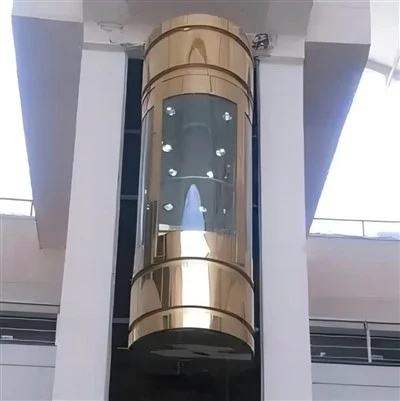
As a supplier of small passenger lifts, I understand that one of the most pressing concerns for our clients is insurance requirements. Ensuring that your small passenger lift is properly insured is not only a legal necessity in many regions but also a crucial step in protecting your investment and safeguarding against potential liabilities. In this blog post, I will delve into the insurance requirements for small passenger lifts, covering everything from the types of insurance needed to the factors that influence insurance premiums.

Types of Insurance for Small Passenger Lifts
Property Insurance
Property insurance is essential for protecting your small passenger lift against physical damage or loss. This type of insurance typically covers damage caused by fire, theft, vandalism, natural disasters, and other perils specified in the policy. As a small passenger lift supplier, I recommend that you obtain property insurance that provides coverage for the full replacement cost of the lift, including installation and any associated equipment. This ensures that in the event of a total loss, you will be able to replace the lift without incurring significant out-of-pocket expenses.

Liability Insurance
Liability insurance is another critical component of your small passenger lift insurance portfolio. This type of insurance protects you against claims of bodily injury or property damage caused by your lift. For example, if a passenger is injured while using your lift due to a mechanical failure or negligence on your part, liability insurance will cover the cost of medical expenses, legal fees, and any settlements or judgments awarded to the injured party. As a small passenger lift supplier, I strongly advise that you carry adequate liability insurance to protect your business from potential lawsuits and financial losses.
Product Liability Insurance
In addition to general liability insurance, you may also need product liability insurance if you manufacture or sell small passenger lifts. Product liability insurance provides coverage for claims arising from defects in your lift that cause injury or damage to third parties. This type of insurance is particularly important in the elevator industry, where even minor defects can have serious consequences. As a small passenger lift supplier, I recommend that you work with an insurance provider who specializes in product liability insurance to ensure that you have adequate coverage for your specific needs.
Business Interruption Insurance
Business interruption insurance is designed to compensate you for lost income and additional expenses incurred as a result of a covered event that disrupts your business operations. For example, if your small passenger lift is damaged in a fire and you are unable to use it for a period of time, business interruption insurance will cover the loss of revenue you would have earned during that period, as well as any additional expenses you incur to continue operating your business, such as renting a temporary lift or hiring additional staff. As a small passenger lift supplier, I recommend that you consider purchasing business interruption insurance to protect your business from the financial impact of unexpected disruptions.

Factors Affecting Insurance Premiums
Lift Type and Features
The type and features of your small passenger lift can have a significant impact on your insurance premiums. For example, hydraulic passenger lifts, such as the Hydraulic Passenger Lift, may be more expensive to insure than other types of lifts due to their complex hydraulic systems and higher risk of leaks and malfunctions. Similarly, lifts with advanced features such as automatic doors, emergency communication systems, and fire-rated enclosures may also command higher premiums due to their increased safety and functionality.
Lift Age and Condition
The age and condition of your small passenger lift are also important factors that insurers consider when determining your insurance premiums. Older lifts may be more prone to breakdowns and mechanical failures, which can increase the risk of accidents and injuries. As a result, insurers may charge higher premiums for older lifts or require more frequent inspections and maintenance to ensure their safety. On the other hand, well-maintained lifts that are in good condition may be eligible for lower premiums.
Installation Location
The location where your small passenger lift is installed can also affect your insurance premiums. Lifts installed in high-traffic areas, such as commercial buildings or public facilities, may be at a higher risk of damage or misuse, which can increase the likelihood of claims. Additionally, lifts installed in areas prone to natural disasters, such as earthquakes or floods, may require additional coverage to protect against damage caused by these events. As a small passenger lift supplier, I recommend that you discuss the installation location of your lift with your insurance provider to ensure that you have adequate coverage for your specific needs.
Maintenance and Inspection History
The maintenance and inspection history of your small passenger lift is another important factor that insurers consider when determining your insurance premiums. Regular maintenance and inspections can help prevent breakdowns and mechanical failures, which can reduce the risk of accidents and injuries. As a result, insurers may offer lower premiums for lifts that have a documented history of regular maintenance and inspections. I recommend that you keep detailed records of all maintenance and inspections performed on your lift and provide these records to your insurance provider when applying for coverage.
Meeting Insurance Requirements
Work with a Reputable Insurance Provider
When it comes to insuring your small passenger lift, it is important to work with a reputable insurance provider who has experience in the elevator industry. A knowledgeable insurance agent can help you understand your insurance needs, recommend the appropriate coverage options, and provide you with competitive quotes from multiple insurance carriers. I recommend that you do your research and compare quotes from several insurance providers before making a decision.
Comply with Local Regulations
In addition to obtaining the appropriate insurance coverage, you must also comply with all local regulations regarding the installation, operation, and maintenance of your small passenger lift. These regulations may include requirements for safety features, inspections, and maintenance schedules. Failure to comply with these regulations can result in fines, penalties, and even the suspension of your insurance coverage. As a small passenger lift supplier, I recommend that you familiarize yourself with the local regulations in your area and ensure that your lift meets all of the necessary requirements.
Maintain Proper Documentation
To ensure that your small passenger lift is properly insured, it is important to maintain proper documentation of all aspects of its installation, operation, and maintenance. This includes records of all inspections, maintenance, repairs, and any modifications or upgrades made to the lift. You should also keep copies of your insurance policies, certificates of insurance, and any other relevant documents in a safe and easily accessible location. In the event of a claim, having proper documentation can help ensure that your claim is processed quickly and efficiently.
Conclusion
As a small passenger lift supplier, I understand the importance of ensuring that your lift is properly insured. By obtaining the appropriate insurance coverage, complying with local regulations, and maintaining proper documentation, you can protect your investment and safeguard against potential liabilities. If you have any questions or need assistance with insuring your small passenger lift, please do not hesitate to contact me. I would be happy to help you navigate the insurance process and find the coverage that best meets your needs. Whether you are interested in a Hydraulic Passenger Lift, an Automatic Passenger Elevator, or a Commercial Passenger Elevator, we are here to provide you with high-quality products and expert advice. Contact us today to start the procurement process and discuss how we can meet your small passenger lift requirements.
References
- Insurance Information Institute. (n.d.). Elevator and Escalator Insurance. Retrieved from https://www.iii.org/article/elevator-and-escalator-insurance
- National Fire Protection Association. (2019). NFPA 101: Life Safety Code. Quincy, MA: NFPA.
- American Society of Mechanical Engineers. (2016). ASME A17.1: Safety Code for Elevators and Escalators. New York, NY: ASME.