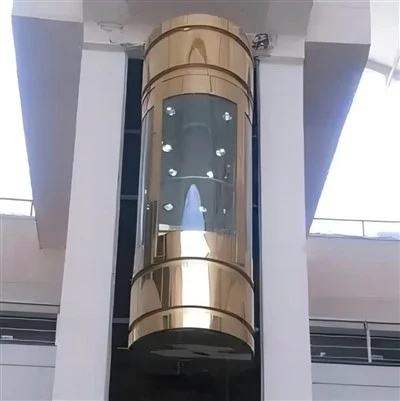
Hey there! I'm a supplier of Elevator for Hospital, and today I wanna chat about something that might not cross your mind often but is super important in a hospital setting - the noise levels of hospital elevators.
Why Noise Levels Matter in Hospital Elevators
Let's start by understanding why we even care about how noisy a hospital elevator is. Hospitals are places where patients are trying to rest and recover. A loud, clunky elevator can be a major disturbance. It can disrupt patients' sleep, increase stress levels, and even interfere with medical equipment that's sensitive to vibrations and noise.
Think about it. If you're in a hospital room trying to get some much - needed rest after a surgery, and every time the elevator goes up or down, it makes a loud screeching or rattling sound, it's just not gonna help your healing process. Plus, medical staff are constantly on the move in hospitals, and a noisy elevator can be a real annoyance for them too. It can make it harder for them to communicate effectively, especially when they're transporting critical patients or important medical supplies.
Factors Affecting Hospital Elevator Noise Levels
There are several factors that can contribute to how noisy a hospital elevator is. First off, the mechanical components play a huge role. The motors, gears, and cables in an elevator can all generate noise. If these parts are old, worn out, or not properly maintained, they're likely to make more noise. For example, a motor that's starting to fail might make a high - pitched whining sound, while worn - out gears can create a grinding noise.
The design of the elevator shaft also matters. If the shaft isn't properly insulated, sound can easily travel from the elevator to other parts of the building. The materials used in the shaft construction, like the type of concrete or steel, can affect how well it dampens noise. Additionally, the way the elevator doors open and close can contribute to the overall noise level. A poorly designed door mechanism might make a loud thud when it shuts, which can be quite startling, especially in a quiet hospital environment.
Another factor is the speed of the elevator. Faster elevators generally tend to make more noise because there's more movement and friction involved. However, modern elevator technology has come a long way in reducing the noise associated with high - speed operation.
Ideal Noise Levels for Hospital Elevators
So, what are the ideal noise levels for hospital elevators? Well, there aren't any hard - and - fast rules that apply to every hospital, but generally, the noise level inside the elevator should be kept as low as possible. A good target is to have the noise level in the elevator car below 50 decibels when it's in motion. This is about as quiet as a soft conversation or a gentle breeze.
In the hospital corridors near the elevator shafts, the noise level should also be minimized. It's recommended that the noise from the elevator doesn't exceed 40 decibels in these areas. This ensures that patients in nearby rooms aren't disturbed.
How Our Elevators Measure Up
As a supplier of Hospital Lift, Elevator for Hospital Bed, and Hospital Stretcher Elevator, we take noise reduction very seriously. Our elevators are designed with state - of - the - art technology to minimize noise.
We use high - quality, low - noise motors and gears in our elevators. These components are carefully selected and tested to ensure they operate quietly. Our elevator shafts are also well - insulated with special materials that absorb sound and prevent it from spreading. This means that even when the elevator is running at high speed, the noise is kept to a minimum.
The door mechanisms in our elevators are designed to open and close smoothly and quietly. We've spent a lot of time perfecting the design to eliminate that annoying thud that you often hear with other elevators.


Testing and Certification
We don't just claim that our elevators are quiet; we back it up with testing and certification. Our elevators go through rigorous noise testing in our state - of - the - art laboratories. We measure the noise levels at different speeds and under various operating conditions to make sure they meet or exceed the recommended standards.
Once our elevators pass these tests, they receive certification that verifies their low noise levels. This gives our customers peace of mind knowing that they're getting a high - quality, quiet elevator for their hospital.
Benefits of Choosing Our Quiet Hospital Elevators
There are several benefits to choosing our quiet hospital elevators. For patients, it means a more peaceful and comfortable environment, which can aid in their recovery. They can rest better without being disturbed by the constant noise of the elevator.
For medical staff, it makes their job easier. They can communicate more effectively and focus on providing the best care possible without having to deal with the distraction of a noisy elevator.
From a cost - perspective, our elevators are also a smart choice. Because we use high - quality components and have a good maintenance plan, the long - term costs associated with our elevators are lower. There's less wear and tear on the parts, which means fewer repairs and replacements over time.
Contact Us for Your Hospital Elevator Needs
If you're in the market for a new hospital elevator or looking to replace an old, noisy one, we'd love to hear from you. Our team of experts can help you choose the right elevator for your hospital's specific needs. We'll work with you to understand your requirements, provide a detailed quote, and ensure a smooth installation process.
Don't let a noisy elevator disrupt the peace and functionality of your hospital. Contact us today to start the conversation about getting a quiet, high - quality elevator for your facility.
References
- "Elevator Design and Noise Reduction" - Journal of Building Acoustics
- "The Impact of Noise on Patient Recovery in Hospitals" - International Journal of Healthcare Environment
- "Modern Elevator Technology and Noise Control" - Elevator Engineering Magazine