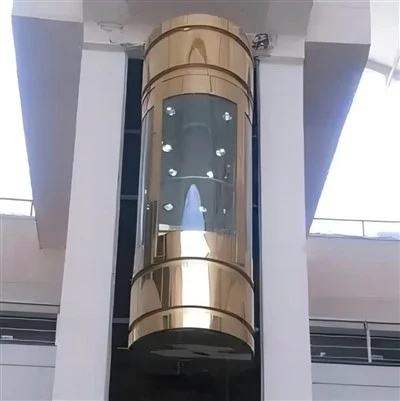
Traction passenger lifts are a common sight in residential areas, providing convenient vertical transportation for residents. As a supplier of traction passenger lifts, I understand the importance of adhering to regulations to ensure the safety and functionality of these lifts. In this blog post, I will discuss the key regulations that apply to traction passenger lifts in residential areas.
1. Safety Standards and Codes
Safety is the top priority when it comes to traction passenger lifts. In most countries, there are well - established safety standards and codes that govern the design, installation, maintenance, and operation of these lifts.
International and National Standards
Internationally, standards such as the ISO 22559 series provide guidelines for the safety of lifts. These standards cover aspects like the strength of lift components, the reliability of safety devices, and the requirements for emergency systems.
On a national level, different countries have their own specific codes. For example, in the United States, the ASME A17.1 code is widely used. It details the safety requirements for elevator construction, inspection, testing, and maintenance. In the United Kingdom, the BS EN 81 series of standards is applicable. These standards ensure that lifts are designed and installed to prevent hazards such as falls, entrapment, and mechanical failures.
Safety Devices
Traction passenger lifts in residential areas must be equipped with a variety of safety devices. One of the most important is the overspeed governor. This device monitors the speed of the lift car and, if the speed exceeds a safe limit, it activates the safety brakes to stop the car.
Another crucial safety device is the door interlock system. This system ensures that the lift doors cannot open unless the car is at a landing and properly aligned. It prevents passengers from accidentally stepping into an empty shaft.
Emergency stop buttons are also required in the lift car and at the landing stations. These buttons allow passengers or maintenance personnel to immediately stop the lift in case of an emergency.
2. Installation Regulations
The installation of traction passenger lifts in residential areas is a highly regulated process.
Installation by Qualified Personnel
Only qualified and certified installers should be involved in the installation of traction passenger lifts. These installers must have the necessary training and experience to ensure that the lift is installed correctly according to the manufacturer's specifications and relevant safety standards.
Structural Requirements
The building structure where the lift is to be installed must be able to support the weight of the lift, including the car, counterweight, and passengers. Engineers need to conduct structural calculations to ensure that the building can withstand the dynamic and static loads imposed by the lift.
The shaft in which the lift operates must also meet specific requirements. It should be properly sealed to prevent the spread of fire and smoke. The shaft walls should have sufficient strength to resist impacts and provide a safe enclosure for the lift components.
Electrical Requirements
The electrical installation for the traction passenger lift must comply with electrical safety standards. This includes proper grounding, over - current protection, and the use of appropriate electrical cables. The electrical system should also be designed to prevent electrical shocks and short - circuits.
3. Maintenance and Inspection Regulations
Regular maintenance and inspection are essential to keep traction passenger lifts in safe working condition.
Maintenance Schedule
Lifts in residential areas should have a regular maintenance schedule. This typically involves monthly or quarterly inspections by a qualified maintenance technician. During these inspections, the technician will check the mechanical components, electrical systems, and safety devices of the lift.
The maintenance technician will lubricate moving parts, adjust brakes, and test the functionality of safety devices. They will also look for signs of wear and tear and replace any damaged components.
Annual Inspections
In addition to regular maintenance, annual inspections are usually required by law. These inspections are more comprehensive and are often carried out by an independent third - party inspector. The inspector will review the lift's maintenance records, test all safety devices, and ensure that the lift complies with all relevant safety standards.
If any deficiencies are found during the inspection, the lift owner or operator must address them promptly. Failure to do so can result in fines or the suspension of lift operation.


4. Accessibility Regulations
Traction passenger lifts in residential areas must also comply with accessibility regulations to ensure that they are usable by all residents, including those with disabilities.
Size and Dimensions
The lift car must have sufficient size to accommodate wheelchairs and other mobility aids. In many countries, the minimum clear floor area of the lift car is specified to ensure that wheelchair users can enter, turn around, and exit the lift comfortably.
The doors of the lift should also be wide enough to allow easy access. The opening speed of the doors should be within a certain range to ensure that passengers, especially those with limited mobility, have enough time to enter and exit the lift safely.
Accessibility Features
Lifts should be equipped with accessibility features such as Braille signage, audible signals, and visual indicators. Braille signage on the control panel allows visually impaired passengers to operate the lift independently. Audible signals indicate the arrival and departure of the lift car, and visual indicators show the position of the car.
5. Noise and Vibration Regulations
To ensure the comfort of residents, traction passenger lifts in residential areas must comply with noise and vibration regulations.
Noise Levels
The noise generated by the lift during operation should be within acceptable limits. This includes the noise from the motor, the movement of the car, and the opening and closing of the doors. Excessive noise can be a nuisance to residents, especially in multi - story residential buildings.
Manufacturers design lifts with noise - reducing features such as sound - insulating materials and vibration - dampening components. During the installation process, proper mounting and alignment of the lift components are also important to minimize noise.
Vibration
Vibration can also affect the comfort of passengers and the structural integrity of the building. Lifts should be designed and installed to minimize vibration. This may involve using vibration - isolating mounts for the motor and other components.
Why Choose Our Traction Passenger Lifts
As a leading supplier of Traction Passenger Elevator, we are committed to providing high - quality lifts that comply with all relevant regulations. Our lifts are designed and manufactured to meet the strictest safety, installation, maintenance, accessibility, and noise regulations.
We use the latest technology and high - quality materials to ensure the reliability and durability of our lifts. Our team of experienced engineers and technicians can provide professional installation and maintenance services to ensure that your lift operates safely and efficiently.
In addition to residential areas, we also offer Office Building Passenger Elevator for commercial buildings and External Passenger Lift for special applications.
If you are in the process of building a new residential complex or need to replace an existing lift, we invite you to contact us for a consultation. Our experts can help you choose the right lift for your needs and ensure that it complies with all regulations. We look forward to working with you to provide a safe and comfortable vertical transportation solution for your residential area.
References
- ASME A17.1 - Safety Code for Elevators and Escalators
- BS EN 81 series - Safety rules for the construction and installation of lifts
- ISO 22559 series - Safety requirements for lifts