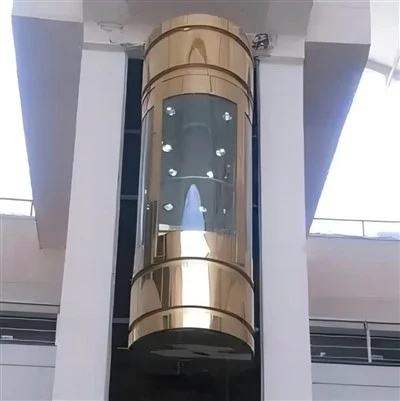
Hey there! As a supplier of small passenger lifts, I often get asked about the vibration levels during operation. It's a crucial aspect that affects not only the comfort of passengers but also the overall performance and safety of the lift. So, let's dive right in and explore what these vibration levels are all about.
Understanding Vibration in Small Passenger Lifts
First off, what causes vibrations in a small passenger lift? Well, there are several factors. The mechanical components of the lift, such as the motor, gears, and pulleys, can generate vibrations as they operate. The movement of the lift car along the guide rails can also cause vibrations, especially if the rails are not properly aligned or maintained. Additionally, external factors like building movement, wind, and seismic activity can contribute to the vibration levels.
Vibrations in a lift are typically measured in terms of acceleration, which is usually expressed in meters per second squared (m/s²). The vibration levels can vary depending on the type of lift, its speed, the load it's carrying, and the condition of its components.
Ideal Vibration Levels
So, what are the ideal vibration levels for a small passenger lift? According to industry standards and guidelines, the vibration levels in a lift should be kept as low as possible to ensure a smooth and comfortable ride for passengers. Generally, the acceptable vibration levels in the vertical direction (up and down) should be less than 0.25 m/s², and in the horizontal direction (side to side), they should be less than 0.15 m/s².
These limits are set to prevent discomfort, motion sickness, and potential damage to the lift components. Excessive vibrations can also cause noise, which can be a nuisance for passengers and nearby occupants.
Factors Affecting Vibration Levels
Let's take a closer look at some of the factors that can affect the vibration levels in a small passenger lift.
Lift Type
Different types of lifts have different vibration characteristics. For example, Temporary Passenger Elevators are often used in construction sites and may have higher vibration levels due to their temporary installation and less precise alignment. On the other hand, High Speed Passenger Elevator are designed to operate at higher speeds, which can also result in increased vibrations if not properly engineered. Hydraulic Passenger Lift use hydraulic systems to move the lift car, and the operation of these systems can cause vibrations, especially during start-up and stopping.
Lift Speed
The speed of the lift is another important factor. As the speed increases, the vibration levels tend to increase as well. This is because the forces acting on the lift components are greater at higher speeds, which can lead to more pronounced vibrations. That's why high-speed lifts require more advanced vibration control systems to ensure a smooth ride.


Load Capacity
The load carried by the lift can also affect the vibration levels. A fully loaded lift will experience more stress on its components, which can result in higher vibrations. It's important to ensure that the lift is designed to handle the maximum load capacity safely and without excessive vibrations.
Maintenance and Installation
Proper maintenance and installation are crucial for keeping the vibration levels in check. If the lift components are not properly lubricated, adjusted, or maintained, they can wear out faster and cause increased vibrations. Similarly, if the lift is not installed correctly, with misaligned guide rails or loose connections, it can lead to vibrations.
Measuring and Monitoring Vibration Levels
To ensure that the vibration levels in a small passenger lift are within the acceptable limits, regular measurements and monitoring are necessary. There are several methods and tools available for measuring vibrations, such as accelerometers. These devices can be installed on the lift car or other components to measure the acceleration in different directions.
By monitoring the vibration levels over time, any changes or trends can be detected early, allowing for timely maintenance and repairs. This can help prevent more serious problems and ensure the continued safe and comfortable operation of the lift.
Reducing Vibration Levels
If the vibration levels in a small passenger lift are found to be higher than the acceptable limits, there are several steps that can be taken to reduce them.
Component Upgrades
Upgrading the lift components, such as the motor, gears, or pulleys, can help reduce vibrations. Newer and more advanced components are often designed to operate more smoothly and with less vibration.
Vibration Isolation
Using vibration isolation materials and techniques can also help reduce the transmission of vibrations from the lift components to the lift car and the building structure. This can include installing rubber mounts or dampers to absorb and dissipate the vibrations.
Alignment and Adjustment
Ensuring that the guide rails are properly aligned and the lift components are correctly adjusted can significantly reduce vibrations. Regular maintenance and alignment checks are essential to keep the lift operating smoothly.
Importance of Low Vibration Levels
Low vibration levels are not just important for passenger comfort. They also have a significant impact on the safety and reliability of the lift. Excessive vibrations can cause premature wear and tear on the lift components, leading to increased maintenance costs and potential breakdowns. In extreme cases, high vibrations can even pose a safety risk to passengers.
By maintaining low vibration levels, the lifespan of the lift can be extended, and the overall cost of ownership can be reduced. It also enhances the reputation of the building and the lift system, providing a better experience for passengers.
Conclusion
In conclusion, the vibration levels of a small passenger lift during operation are an important aspect that should not be overlooked. By understanding the factors that affect vibrations, measuring and monitoring them regularly, and taking appropriate steps to reduce them, we can ensure a smooth, comfortable, and safe ride for passengers.
If you're in the market for a small passenger lift and want to learn more about how we can provide a lift with optimal vibration levels, don't hesitate to get in touch. We're here to answer your questions and help you find the perfect lift solution for your needs. Let's start a conversation and see how we can work together to make your building's vertical transportation system the best it can be.
References
- Elevator and Escalator Safety Code (ASME A17.1)
- ISO 18738:2016 - Mechanical vibration - Guidelines for the measurement and evaluation of vibration on lifts, escalators and moving walks
- Lift and Escalator Industry Association (LEIA) - Technical Guidelines and Best Practices