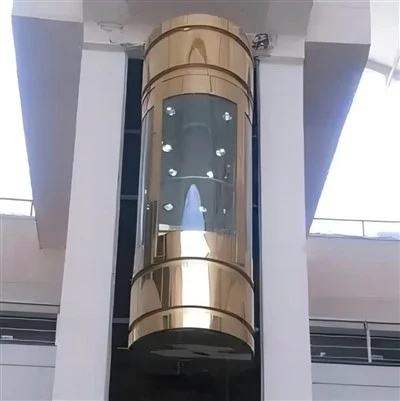
As a supplier of Traction Passenger Lifts, I understand the critical importance of having reliable backup power options for these essential vertical transportation systems. Traction Passenger Lifts are a common sight in various buildings, including Office Building Passenger Elevator and those requiring Energy-efficient Passenger Elevators. In the event of a power outage, the safety and convenience of passengers depend on the availability of effective backup power. In this blog, we will explore the different backup power options available for Traction Passenger Lifts.
Battery Backup Systems
One of the most popular backup power options for Traction Passenger Lifts is the battery backup system. These systems are designed to provide temporary power to the lift in case of a main power failure. Battery backups are commonly used in both residential and commercial buildings due to their reliability and ease of installation.
- How They Work: Battery backup systems typically consist of a set of batteries connected to the lift's control system. When the main power supply fails, an automatic transfer switch detects the outage and switches the lift's power source to the batteries. The batteries then provide enough power to operate the lift for a limited period, usually long enough to safely evacuate passengers or move the lift to the nearest floor.
- Advantages:
- Quick Response: Battery backup systems can provide power almost instantaneously, ensuring that the lift stops safely and can be moved to a safe position without causing panic among passengers.
- Compact Design: They are relatively compact and can be easily installed in the lift machine room or other suitable locations, without taking up a large amount of space.
- Low Maintenance: With proper maintenance, batteries can last for several years, and the overall maintenance requirements of battery backup systems are relatively low.
- Limitations:
- Limited Runtime: The runtime of battery backup systems is limited by the capacity of the batteries. In most cases, they can only provide power for a short period, typically between 30 minutes to a few hours, depending on the size and type of the lift.
- Battery Degradation: Batteries degrade over time, and their performance can be affected by factors such as temperature and usage. Regular battery testing and replacement are required to ensure reliable operation.
Generator Backup Systems
Generator backup systems are another option for providing backup power to Traction Passenger Lifts. Generators can be powered by various fuels, including diesel, natural gas, or propane.


- How They Work: When a power outage occurs, the generator automatically starts up and begins supplying power to the lift. The generator is connected to the lift's electrical system through a transfer switch, which ensures a smooth transition between the main power supply and the generator.
- Advantages:
- Longer Runtime: Generators can provide power for an extended period, allowing the lift to operate continuously during a power outage until the main power is restored.
- High Power Capacity: They can supply a large amount of power, making them suitable for larger Traction Passenger Lifts or multiple lifts in a building.
- Limitations:
- Initial Cost: Generators are generally more expensive to purchase and install compared to battery backup systems.
- Maintenance Requirements: Regular maintenance is required to keep the generator in good working condition. This includes fuel storage, oil changes, and periodic testing.
- Noise and Emissions: Generators can produce noise and emissions, which may be a concern in some locations, especially in residential areas or environmentally sensitive buildings.
Uninterruptible Power Supply (UPS) Systems
Uninterruptible Power Supply (UPS) systems are often used in combination with other backup power options to provide a seamless transition during a power outage.
- How They Work: A UPS system consists of a battery and a power inverter. When the main power fails, the UPS immediately provides power to the lift from its batteries, allowing the lift to continue operating without any interruption. The UPS also provides protection against power surges and voltage fluctuations, which can damage the lift's electrical components.
- Advantages:
- Seamless Transition: UPS systems can provide power within milliseconds, ensuring that the lift continues to operate smoothly without any noticeable interruption.
- Power Quality Protection: They help protect the lift's electrical components from damage caused by power surges and voltage fluctuations, reducing the risk of costly repairs.
- Limitations:
- Limited Capacity: UPS systems typically have a limited power capacity, which may only be sufficient to power the lift for a short period. They are often used in conjunction with battery backup or generator systems to provide longer-term power.
- Higher Cost: UPS systems are generally more expensive than battery backup systems, especially for larger capacity units.
Factors to Consider When Choosing a Backup Power Option
When choosing a backup power option for a Traction Passenger Lift, several factors need to be considered:
- Lift Size and Capacity: Larger lifts with higher capacities require more power, so the backup power system should be able to provide sufficient power to operate the lift safely.
- Building Location and Usage: The location of the building and its usage patterns can also affect the choice of backup power option. For example, buildings in areas prone to frequent power outages may require a more reliable and long-lasting backup power system.
- Budget: The initial cost of the backup power system, as well as its ongoing maintenance costs, should be taken into account when making a decision.
- Environmental Considerations: For buildings in environmentally sensitive areas, the noise and emissions produced by generator systems may be a concern. Consider options such as battery backup or UPS systems that have a lower environmental impact.
Conclusion
Having a reliable backup power option for Traction Passenger Lifts is essential for ensuring the safety and convenience of passengers. Battery backup systems, generator backup systems, and UPS systems each have their own advantages and limitations, and the choice of the most suitable option depends on various factors such as lift size, building location, budget, and environmental considerations.
As a supplier of Traction Passenger Elevator, we are committed to providing our customers with the best solutions for their backup power needs. If you are interested in learning more about our Traction Passenger Lifts and the available backup power options, or if you have any questions regarding purchasing and installation, please do not hesitate to contact us. We look forward to discussing how we can meet your specific requirements and ensure the smooth and reliable operation of your lift system.
References
- "Elevator and Escalator Safety Codes," National Fire Protection Association
- "Battery Backup Systems for Elevators," Elevator World Magazine
- "Generator Installation and Maintenance Guide," International Electrotechnical Commission