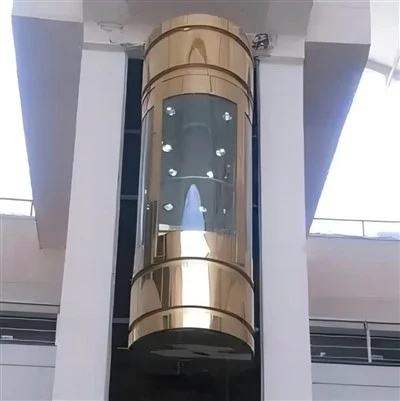
Hey there! As a supplier of panoramic elevators, I'm super stoked to walk you through the installation process of these amazing pieces of machinery. Panoramic elevators are like no other – they offer passengers a breathtaking view as they travel up and down buildings, making them a popular choice for hotels, shopping malls, and high - rise buildings with a focus on aesthetics and user experience.
Pre - installation Preparation
Before we even start the actual installation, there's a ton of groundwork to be done. First off, we need to have a detailed site survey. This involves checking out the building's structure where the elevator will be installed. We measure the shaft dimensions, the load - bearing capacity of the floors, and the available space for the elevator machinery. It's crucial to ensure that the building can support the weight and operation of the panoramic elevator.
We also need to understand the client's requirements and preferences. For example, if they want a Small Capsule Lift for a small - scale building or a Capsule Passenger Elevator for a larger commercial space. This helps us choose the right elevator model and customize it according to their needs.
Another important aspect is getting all the necessary permits and approvals. Building codes and regulations vary from place to place, and we need to make sure that our installation complies with all the local laws. This includes safety standards, fire codes, and accessibility requirements. It can be a bit of a hassle, but it's non - negotiable to keep everyone safe.
Shaft Construction and Preparation
Once the pre - installation checks are done, we move on to the shaft construction or modification. If the building is new, the shaft is usually built as per our specifications during the construction phase. But in case of existing buildings, we might need to modify an existing shaft or create a new one.
We start by reinforcing the shaft walls to handle the elevator's movement and vibrations. This might involve adding steel reinforcements or concrete coatings. The floor of the shaft also needs to be leveled and made strong enough to support the elevator car and its passengers.
Next, we install the guide rails inside the shaft. These rails are like the tracks that the elevator car will run on. They need to be perfectly aligned both vertically and horizontally. Any misalignment can cause the elevator to run unevenly, which is not only uncomfortable for the passengers but also a safety hazard.
Installation of the Elevator Machinery
The heart of the panoramic elevator is its machinery. This includes the motor, the control system, and the counterweight. The motor is responsible for moving the elevator car up and down. We carefully select a motor that is powerful enough to handle the weight of the car and the expected number of passengers, but also energy - efficient.
The control system is like the brain of the elevator. It manages everything from the door operation to the speed and direction of the elevator. We install the control panels in the elevator car and at each floor landing. These panels allow passengers to select their desired floors and also provide important information like the current floor and the direction of travel.
The counterweight is a crucial part of the elevator system. It balances the weight of the elevator car and reduces the load on the motor. We install the counterweight in the shaft, and it moves in the opposite direction of the elevator car.
Assembly of the Elevator Car
The elevator car is what the passengers will actually be riding in, so it's important to get it right. We first assemble the frame of the car, which provides the structure and support. Then we install the glass panels that give the panoramic view. The glass needs to be of high - quality and safety - rated. It should be able to withstand the pressure changes and potential impacts.
We also install the interior fixtures, such as the lighting, ventilation, and handrails. The lighting is designed to create a comfortable and inviting atmosphere, while the ventilation ensures fresh air circulation inside the car. The handrails provide support for the passengers, especially during sudden stops or starts.
Electrical and Safety System Installation
Electrical wiring is a major part of the installation process. We connect all the components of the elevator, including the motor, control system, and lighting, to the electrical supply. This needs to be done carefully to avoid any short - circuits or electrical hazards.
Safety is our top priority, and we install a range of safety systems. This includes emergency brakes, which can stop the elevator in case of a malfunction. There are also door sensors that prevent the doors from closing if there is an object in the way. Additionally, we install an emergency communication system that allows passengers to call for help in case of an emergency.
Testing and Commissioning
Once the installation is complete, we don't just hand it over to the client. We conduct a series of tests to make sure everything is working perfectly. First, we do a static test to check the alignment of the elevator car and the guide rails. Then we perform dynamic tests, where we run the elevator up and down at different speeds to check its performance.
We also test all the safety systems to ensure they are functioning correctly. This includes triggering the emergency brakes and testing the door sensors. After all the tests are passed, we commission the elevator, which means it's ready for use.
Post - installation Support
Even after the elevator is up and running, our job doesn't end. We provide regular maintenance services to keep the elevator in top - notch condition. This includes lubricating the moving parts, checking the electrical connections, and replacing any worn - out components.


We also offer 24/7 customer support. If there are any issues or breakdowns, our technicians can be on - site quickly to fix the problem. We believe in building long - term relationships with our clients, and providing excellent after - sales service is a big part of that.
If you're considering installing a panoramic elevator in your building, whether it's an Observation Elevator for a landmark building or a more compact model for a local business, we're here to help. Our team of experts has the knowledge and experience to guide you through the entire process, from the initial planning to the final installation and beyond. Don't hesitate to reach out to us for a consultation and to discuss your specific requirements.
References
- “Elevator Installation Handbook”, published by the National Elevator Industry
- Industry Best Practices for Panoramic Elevator Installation, compiled by leading elevator manufacturers in the field