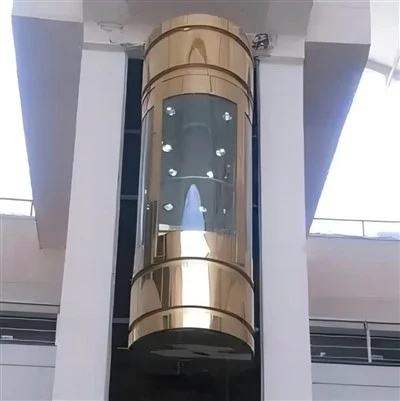
Hey there! As a supplier of Vacuum Passenger Lifts, I often get asked whether these innovative elevators are compliant with building codes. It's a crucial question, and today, I'm gonna break it down for y'all.
First off, let's understand what building codes are. Building codes are a set of rules and regulations that ensure the safety, health, and welfare of the people using the building. They cover everything from the structural integrity of a building to the functionality of its systems, including elevators. These codes vary from region to region, but they all have the same goal: to make sure buildings are safe places to be.
Now, when it comes to Vacuum Passenger Lifts, the technology is relatively new compared to traditional elevators. Traditional elevators, like the Machine Room Passenger Elevator, have been around for ages, and building codes have been well - established for them. But Vacuum Passenger Lifts operate on a different principle. They use air pressure differentials to move the elevator car up and down, which is a pretty cool and efficient way to do it.
One of the main concerns with any new technology in the building industry is whether it can meet the same safety standards as the old ones. Building codes typically require elevators to have certain safety features. For example, they need to have emergency brakes that can stop the elevator car in case of a malfunction. Vacuum Passenger Lifts are designed with multiple safety features. They have emergency braking systems similar to traditional elevators. In fact, because of their unique design, they can sometimes have even more reliable braking mechanisms. The air pressure differential that moves the lift can be quickly adjusted to stop the car safely in an emergency.
Another aspect of building codes is the accessibility requirements. Buildings need to be accessible to all people, including those with disabilities. Vacuum Passenger Lifts are often very space - efficient. They don't require a large machine room like some traditional elevators, which means they can be installed in smaller buildings or in retrofit projects where space is limited. This is a huge advantage when it comes to making buildings more accessible. And when it comes to the interior of the lift car, they are designed to meet the same accessibility standards as other External Passenger Lift models. They have proper handrails, clear signage, and enough space for a wheelchair to turn around.
Fire safety is also a big part of building codes. Traditional elevators have specific requirements for fire - rated shaft walls, fire - resistant cables, and emergency evacuation procedures. Vacuum Passenger Lifts are designed with fire safety in mind as well. The materials used in their construction are fire - resistant, and the lift system can be programmed to stop at designated floors in case of a fire or other emergency.
Energy efficiency is a growing concern in building codes these days. As we all know, traditional elevators can be energy - hogs. That's why there's a big push towards Energy - efficient Passenger Elevators. Vacuum Passenger Lifts are a great option in this regard. They use significantly less energy than traditional elevators because they don't rely on heavy counterweights and large motors. The air pressure system is much more efficient, which not only saves on energy costs but also helps buildings meet the energy - efficiency requirements of modern building codes.
In most regions, new elevator technologies need to go through a rigorous testing and certification process to ensure compliance with building codes. We, as a supplier of Vacuum Passenger Lifts, work closely with testing agencies and code officials to make sure our products meet all the necessary standards. We have to provide detailed technical specifications, conduct performance tests, and sometimes even do on - site demonstrations. Once our lifts pass all these tests, they are issued the necessary certifications, which means they are legally compliant for installation in buildings.
However, it's important to note that building codes are constantly evolving. New technologies emerge, and new safety and environmental concerns come to the forefront. That's why we keep a close eye on any changes in the building codes. We also engage with code - making bodies to provide feedback on how our Vacuum Passenger Lifts can fit into the existing regulatory framework and contribute to the safety and sustainability of buildings.


When it comes to installation, it's crucial to work with a professional installation team that is familiar with both the product and the local building codes. A proper installation is essential to ensure that the lift not only functions correctly but also remains compliant throughout its lifespan. Our company provides training and support to installation teams to make sure they understand the unique features and requirements of our Vacuum Passenger Lifts.
In conclusion, Vacuum Passenger Lifts are indeed compliant with building codes in most regions. They offer many advantages over traditional elevators in terms of safety, accessibility, energy efficiency, and space utilization. As a supplier, we're committed to making sure our products meet the highest standards and help building owners and developers create safe and modern buildings.
If you're interested in learning more about our Vacuum Passenger Lifts or are considering a purchase for your building project, we'd love to talk to you. Feel free to reach out to start a discussion about how our lifts can meet your specific needs and comply with your local building codes.
References
- Local building codes and regulations from various regions
- Technical specifications and safety data from Vacuum Passenger Lift manufacturers
- Industry research on elevator safety and energy efficiency