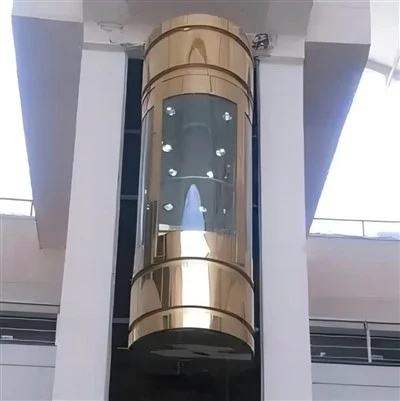
What is the lifespan of a hydraulic villa lift?
As a seasoned supplier of hydraulic villa lifts, I've been frequently asked about the lifespan of these remarkable pieces of machinery. Understanding the lifespan of a hydraulic villa lift is crucial for homeowners, as it directly impacts long - term investment, maintenance planning, and overall satisfaction with the product.


Factors Affecting the Lifespan of a Hydraulic Villa Lift
-
Quality of Manufacturing
The foundation of a long - lasting hydraulic villa lift lies in its manufacturing quality. High - end materials and precision engineering ensure that the lift can withstand the test of time. At our company, we source only the best steel for the lift car and the strongest hydraulic components. For example, the cylinders are made from high - grade alloy steel that is resistant to corrosion and wear. This high - quality manufacturing not only enhances the safety of the lift but also extends its lifespan significantly. On average, a well - manufactured hydraulic villa lift can last between 20 to 25 years. -
Usage Frequency
The more frequently a hydraulic villa lift is used, the more wear and tear it will experience. In a large family home where the lift is used multiple times a day, it will face more stress compared to a lift in a vacation home that is used only occasionally. For instance, if a lift is used 10 times a day in a busy household, it may need more frequent maintenance and might have a slightly shorter lifespan, perhaps around 18 - 22 years. In contrast, a lift used just once a week in a rarely - occupied villa could potentially last up to 25 - 30 years. -
Maintenance and Servicing
Regular maintenance is the key to prolonging the lifespan of a hydraulic villa lift. Just like a car, a lift needs routine check - ups to ensure all components are functioning properly. This includes inspecting the hydraulic fluid level, checking the seals for leaks, and lubricating moving parts. We recommend that homeowners schedule professional maintenance at least once a year. By adhering to a strict maintenance schedule, homeowners can prevent minor issues from turning into major problems. A well - maintained lift can easily reach or even exceed its expected lifespan. -
Environmental Conditions
The environment in which the lift is installed also plays a role in its lifespan. If the villa is located in a coastal area where there is high humidity and salt in the air, the lift's metal components are more likely to corrode. Similarly, extreme temperatures, either very hot or very cold, can affect the performance of the hydraulic system. In a harsh environment, the lift may require additional protective measures, such as anti - corrosion coatings, and might have a reduced lifespan of around 15 - 20 years.
Understanding the Lifecycle of a Hydraulic Villa Lift
-
Installation and Early Years
The installation phase is critical as it sets the foundation for the lift's entire lifespan. A proper installation by experienced technicians ensures that the lift is level, the hydraulic system is correctly calibrated, and all safety features are in place. During the first few years of operation, the lift is in its prime. It operates smoothly, and any minor teething problems can be easily resolved during the warranty period. -
Mid - Life Phase
Around the 10 - 15 - year mark, the lift may start to show some signs of wear. This could include minor hydraulic leaks, increased noise during operation, or slower movement. At this stage, it's important to step up the maintenance efforts. Replacing worn - out parts, such as seals and gaskets, can help extend the lift's life. Homeowners should also consider upgrading certain components, like the control system, to improve performance and safety. -
End - of - Life Considerations
As the lift approaches the end of its expected lifespan, typically after 20 - 25 years, it may become less reliable. The cost of maintenance may increase significantly, and the lift may not meet the latest safety standards. At this point, homeowners need to evaluate whether it's more cost - effective to repair the lift or invest in a new one.
Benefits of Choosing a Long - Lasting Hydraulic Villa Lift
-
Cost - Effectiveness in the Long Run
Although a high - quality hydraulic villa lift may have a higher upfront cost, its longer lifespan means that homeowners will save money in the long term. They won't have to replace the lift as frequently, and the cost of maintenance over the years is more predictable. -
Enhanced Safety
A well - maintained and long - lasting lift is generally safer. As the lift ages gracefully, it continues to meet or exceed safety standards, providing peace of mind for homeowners and their families. -
Increased Property Value
A reliable and long - lasting hydraulic villa lift can add value to a property. It is seen as a desirable feature for potential buyers, especially in luxury villas.
If you are considering installing a hydraulic villa lift in your home, we offer a wide range of options. Check out our Lift For Private Home, Villa Lift, and Home Villa Elevator pages to explore our products in detail.
Whether you are building a new villa or looking to upgrade an existing lift, we are here to assist you. Our team of experts can provide you with personalized advice on choosing the right lift for your needs, ensuring that you get a product with a long and reliable lifespan. If you have any questions or would like to start a procurement discussion, please reach out to us. We are eager to work with you to make your home more accessible and comfortable.
References
- "Elevator Technology Handbook" - A comprehensive guide on elevator design, installation, and maintenance.
- Industry reports on hydraulic lift performance and lifespan from leading elevator manufacturers.
- Case studies on the long - term use of hydraulic villa lifts in different environments.