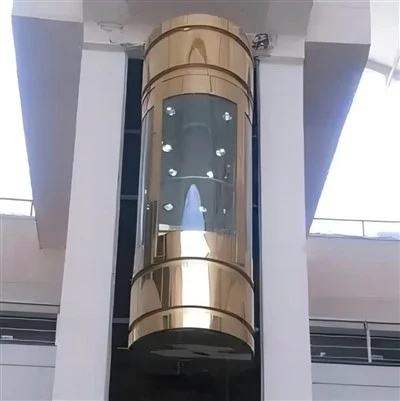
The maintenance cost of a passenger elevator per year can vary significantly based on multiple factors. As a passenger elevator supplier, I've witnessed firsthand how different elements play into these costs. In this blog, I'll break down the key components that contribute to the annual maintenance expenses of passenger elevators and provide insights to help you understand and plan for these costs.
1. Type of Passenger Elevator
There are various types of passenger elevators, such as those in residential buildings, commercial complexes, and high - rise offices. Each type has different usage patterns and requirements, which directly impact maintenance costs.
- Residential Passenger Elevators: These elevators typically have lower usage compared to commercial ones. They are used less frequently, usually by a limited number of residents. As a result, the wear and tear on components are relatively less. The annual maintenance cost for a residential passenger elevator can range from $1,500 to $3,500. This cost mainly covers routine inspections, lubrication of moving parts, and minor adjustments. For example, a small - scale residential building with a single elevator may only need basic maintenance services a few times a year, which keeps the cost on the lower end of the spectrum.
- Commercial Passenger Elevators Commercial Passenger Elevator: In commercial settings like shopping malls, hotels, and office buildings, elevators are in constant use throughout the day. High traffic means more stress on the elevator's mechanical and electrical systems. The annual maintenance cost for commercial passenger elevators can be much higher, ranging from $3,500 to $8,000 or even more. These elevators often require more frequent inspections, part replacements, and advanced diagnostic tests to ensure safe and reliable operation. For instance, in a busy shopping mall, elevators may need daily visual checks and weekly in - depth inspections to handle the large number of passengers.
2. Elevator Age and Condition
The age and current condition of the elevator are crucial factors in determining maintenance costs.
- New Elevators: Newly installed passenger elevators generally have lower maintenance costs in the first few years. They come with manufacturer warranties that cover many repair and replacement costs. However, even new elevators need regular maintenance to ensure proper functioning and to extend their lifespan. During the warranty period, the annual maintenance cost might be mainly for routine preventive maintenance, which could be around $1,000 - $2,500, depending on the type of elevator.
- Old Elevators: As elevators age, their components start to wear out, and the probability of breakdowns increases. Older elevators may require more frequent part replacements, such as motors, cables, and control systems. The annual maintenance cost for an old elevator can easily exceed $8,000. For example, an elevator that is over 20 years old may need major component overhauls every few years, which can be very expensive. In addition, older elevators may not meet the latest safety standards, and upgrades may be necessary to ensure compliance, adding to the overall cost.
3. Maintenance Services and Contracts
The level of maintenance services and the type of contract you choose also affect the annual cost.
- Basic Maintenance Contracts: These contracts usually cover only the most fundamental maintenance tasks, such as regular inspections, cleaning, and lubrication. Basic contracts are relatively inexpensive, with annual costs ranging from $1,000 to $3,000. However, they may not include all possible repairs or part replacements. For example, if a major component fails, you may have to pay additional fees for the repair or replacement.
- Comprehensive Maintenance Contracts: Comprehensive contracts offer more extensive services, including emergency repairs, part replacements, and 24/7 technical support. While these contracts provide peace of mind, they are more expensive, with annual costs ranging from $3,500 to $10,000. With a comprehensive contract, you can expect the maintenance provider to handle all aspects of elevator upkeep, minimizing unexpected costs.
4. Location and Accessibility
The location of the elevator and its accessibility can also influence maintenance costs.


- Remote Locations: Elevators in remote areas may have higher maintenance costs due to increased travel time for maintenance technicians. If a technician has to travel a long distance to reach the elevator, the service call fee may be higher. In addition, it may be more difficult to source replacement parts quickly, which can lead to longer downtime and potentially higher costs. For example, an elevator in a rural area may have an annual maintenance cost that is 10 - 20% higher than a similar elevator in a city center.
- Hard - to - Reach Elevators: Elevators that are difficult to access, such as those in high - rise buildings with limited service access or in buildings with complex architectural designs, may require specialized equipment and additional labor for maintenance. This can drive up the annual maintenance cost. For instance, an elevator in a skyscraper with a unique shaft design may need special lifting equipment to access certain components, increasing the overall maintenance expense.
5. Technology and Features
Modern passenger elevators are equipped with advanced technologies and features that can impact maintenance costs.
- Smart Elevator Systems: Smart elevators use sensors and advanced control systems to optimize operation, improve energy efficiency, and provide real - time monitoring. While these features enhance the user experience and elevator performance, they also require more sophisticated maintenance. The annual maintenance cost for smart elevators can be 15 - 30% higher than traditional elevators. For example, the sensors in a smart elevator need regular calibration and software updates to ensure accurate operation.
- Special Features: Elevators with special features such as glass cabins, panoramic views, or advanced safety systems also have higher maintenance costs. These features often involve more complex components and require specialized maintenance skills. For example, the glass in a glass - enclosed elevator needs regular cleaning and inspection to prevent scratches and structural damage.
6. Component - Specific Maintenance Costs
Let's take a closer look at the maintenance costs associated with different elevator components.
- Mechanical Components: The mechanical components of an elevator, such as the hoistway, counterweights, and guide rails, require regular lubrication and inspection. Worn - out mechanical parts need to be replaced to ensure safe operation. The annual cost for maintaining mechanical components can range from $500 to $2,000, depending on the type and usage of the elevator. For example, the guide rails in a high - traffic elevator may need more frequent alignment checks and occasional replacement.
- Electrical Components: Electrical components, including the control panel, motors, and wiring, are critical for elevator operation. Electrical systems are prone to issues such as short - circuits and component failures. The annual maintenance cost for electrical components can range from $800 to $3,000. Regular testing and calibration of electrical systems are necessary to prevent malfunctions. For instance, the control panel in an elevator needs to be checked for software glitches and hardware failures on a regular basis.
- Safety Components: Safety components, such as brakes, overspeed governors, and door interlocks, are of utmost importance. These components need to be inspected and tested regularly to ensure they are functioning properly. The annual cost for maintaining safety components can range from $500 to $1,500. For example, the brakes in an elevator need to be tested for proper holding force and response time at least once a year.
Conclusion
In conclusion, the annual maintenance cost of a passenger elevator can vary widely, from as low as $1,000 for a basic residential elevator with minimal usage and under warranty to over $10,000 for a high - traffic, old, or technologically advanced commercial elevator. As a passenger elevator supplier, I understand the importance of providing reliable and cost - effective elevator solutions. We offer a range of elevators to suit different needs and budgets, along with comprehensive maintenance services.
If you're considering purchasing a passenger elevator or need to evaluate your current elevator's maintenance costs, I encourage you to reach out to us. Our team of experts can provide you with detailed information and customized solutions. Whether you need a Passenger Compartment Of Elevator for a small residential building or a Passengers Elevator for a large commercial complex, we're here to assist you. Contact us today to start a discussion about your elevator needs and explore the best options for you.
References
- ASME A17.1 - 2022 Safety Code for Elevators and Escalators.
- Elevator World Magazine, various issues on elevator maintenance and cost analysis.
- National Elevator Industry, Inc. (NEII) reports on elevator industry trends and maintenance best practices.