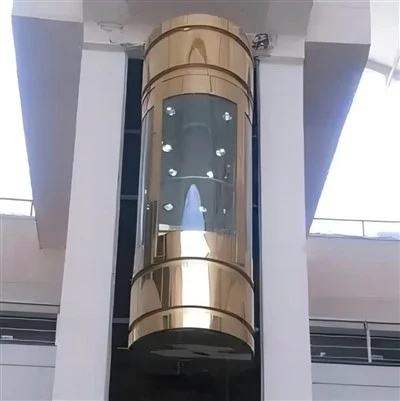
As a supplier of hospital stretcher lifts, I often receive inquiries from hospital administrators, facility managers, and healthcare professionals about various aspects of our products. One question that comes up frequently is about the noise level of a hospital stretcher lift during operation. In this blog post, I'll delve into this topic, explaining why it matters, what factors influence noise levels, and how our products stack up in terms of quiet operation.
Why Noise Level Matters in a Hospital Setting
Hospitals are places where patients come to heal, and a quiet environment is crucial for their recovery. Excessive noise can cause stress, disrupt sleep, and even have a negative impact on a patient's overall well - being. When it comes to stretcher lifts, they are constantly in use, transporting patients between different floors of the hospital. If these lifts are noisy, they can add to the already high noise levels in a hospital, which is far from ideal.
Moreover, healthcare providers also benefit from a quiet working environment. It allows them to focus better on patient care, communicate effectively, and reduces the chances of errors. A noisy stretcher lift can be a constant distraction, making it difficult for medical staff to carry out their duties efficiently.


Factors Influencing the Noise Level of a Hospital Stretcher Lift
There are several factors that can contribute to the noise level of a hospital stretcher lift during operation:
Mechanical Components
The motor, gears, and pulleys are the heart of the lift system. If these components are of low quality or not properly maintained, they can generate a significant amount of noise. For example, a worn - out gear may produce a grinding sound, while a poorly lubricated motor can hum loudly. At our company, we use high - quality mechanical components from trusted manufacturers. These components are designed to operate smoothly and quietly, reducing the noise generated during lift operation.
Installation Quality
Proper installation is crucial for the quiet operation of a stretcher lift. If the lift is not installed correctly, it can cause vibrations, which in turn lead to noise. Our installation team is highly trained and experienced. They follow strict installation guidelines to ensure that the lift is installed perfectly, minimizing vibrations and noise.
Hydraulic System (if applicable)
Some hospital stretcher lifts use a hydraulic system for operation. In a hydraulic lift, the flow of hydraulic fluid through the pipes and valves can create noise. The quality of the hydraulic components and the design of the system play a significant role in determining the noise level. Our hydraulic systems are designed with noise - reduction in mind. We use high - precision valves and pipes that minimize the noise generated by the fluid flow.
Cabin Design
The design of the lift cabin can also affect the noise level. A well - insulated cabin can block out external noise and prevent the noise generated by the lift's mechanical components from escaping. Our stretcher lift cabins are designed with high - quality insulation materials. These materials not only reduce noise but also provide a more comfortable environment for patients and medical staff.
Measuring the Noise Level of a Hospital Stretcher Lift
The noise level of a lift is typically measured in decibels (dB). In a hospital setting, the acceptable noise level for a stretcher lift is generally considered to be around 40 - 50 dB. This is similar to the noise level of a quiet library.
We conduct rigorous testing on our hospital stretcher lifts to ensure that they meet these noise level standards. During the testing process, we use professional sound - measuring equipment to accurately measure the noise level at different stages of the lift's operation, including when it starts, stops, and moves between floors.
Our Hospital Stretcher Lifts: Quiet and Reliable
Our company takes pride in offering hospital stretcher lifts that are known for their quiet operation. We understand the importance of a quiet environment in a hospital, and we have made it our mission to provide products that meet the highest standards of noise reduction.
In addition to our stretcher lifts, we also offer a range of related products such as Hospital Bed Lift, Hospital Bed Elevator, and Bed Elevator In Hospital. These products are also designed with noise reduction in mind, ensuring that they contribute to a peaceful hospital environment.
Conclusion and Call to Action
The noise level of a hospital stretcher lift is an important factor that should not be overlooked. A quiet lift not only benefits patients but also healthcare providers. At our company, we are committed to providing high - quality hospital stretcher lifts that operate quietly and reliably.
If you are in the market for a hospital stretcher lift or any of our related products, we encourage you to reach out to us. Our team of experts will be happy to answer your questions, provide more information about our products, and assist you in making the right choice for your hospital. Contact us today to start the procurement and negotiation process.
References
- World Health Organization. "Environmental noise guidelines for the European Region." World Health Organization, 2018.
- Hospital Engineering and Facility Management Association. "Best Practices for Noise Reduction in Hospital Elevators." 2020.