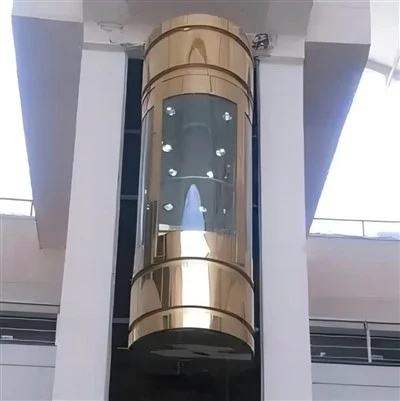
As a supplier of passenger lifts, I've witnessed firsthand the importance of adhering to strict design standards for lift cabins. These standards are not just about aesthetics; they're crucial for ensuring safety, comfort, and functionality. In this blog post, I'll delve into the key design standards that every passenger lift cabin should meet.
Safety Standards
Safety is paramount when it comes to passenger lifts. The cabin design must comply with a range of safety regulations to protect passengers from potential hazards. One of the most important safety features is the door system. Lift doors should be equipped with sensors to detect obstructions and prevent them from closing on passengers. Additionally, the doors should be designed to withstand a certain amount of force to prevent unauthorized entry or accidental opening during operation.
Another critical safety consideration is the emergency communication system. Every lift cabin should be equipped with a reliable intercom or emergency phone that allows passengers to contact building management or emergency services in case of an emergency. The communication system should be clearly marked and easily accessible, even in low-light conditions.
The cabin interior should also be designed to minimize the risk of injury. Sharp edges and corners should be rounded off, and any protruding objects should be removed or covered. The floor of the cabin should be slip-resistant to prevent passengers from falling, especially when the floor is wet.
Comfort Standards
In addition to safety, comfort is also an important factor in lift cabin design. Passengers spend a significant amount of time in the lift, especially in tall buildings, so it's essential to create a comfortable and pleasant environment. One of the key elements of comfort is the cabin size. The cabin should be large enough to accommodate the expected number of passengers without feeling cramped. The height of the cabin should also be sufficient to allow passengers to stand upright without hitting their heads.
The lighting in the cabin is another important aspect of comfort. The lighting should be bright enough to provide adequate visibility but not so bright that it causes glare or discomfort. LED lighting is a popular choice for lift cabins because it is energy-efficient, long-lasting, and provides a uniform light distribution.
The ventilation system is also crucial for maintaining a comfortable environment in the lift cabin. The system should be designed to provide a constant supply of fresh air and remove any stale air or odors. The ventilation system should also be quiet to avoid disturbing passengers.
Accessibility Standards
Passenger lifts must be accessible to all passengers, including those with disabilities. The cabin design should comply with accessibility standards to ensure that passengers with disabilities can use the lift safely and comfortably. One of the key accessibility features is the wheelchair space. The cabin should be large enough to accommodate a wheelchair, and there should be a clear path for the wheelchair to enter and exit the cabin.
The control panel in the lift cabin should also be accessible to passengers with disabilities. The buttons should be large and easy to press, and there should be Braille markings on the buttons for visually impaired passengers. Additionally, the lift should be equipped with audible announcements to inform passengers of the floor level and the direction of travel.
Aesthetic Standards
While safety, comfort, and accessibility are the primary considerations in lift cabin design, aesthetics also play an important role. The cabin design should complement the overall design of the building and create a positive impression on passengers. The materials used in the cabin should be of high quality and durable. Common materials for lift cabins include stainless steel, glass, and wood.


The color scheme of the cabin is also an important aspect of aesthetics. The colors should be chosen to create a harmonious and inviting environment. Neutral colors such as white, gray, and beige are popular choices for lift cabins because they are versatile and can be easily coordinated with other elements in the building.
Customization Options
As a supplier of passenger lifts, we understand that every building has unique requirements and design preferences. That's why we offer a range of customization options for lift cabin design. We can customize the cabin size, shape, and layout to meet the specific needs of the building. We can also offer a variety of finishes and materials to create a unique and personalized look for the lift cabin.
In addition to customization, we also offer a range of advanced features and technologies to enhance the functionality and performance of the lift. For example, we offer Silent Passenger Elevator that operate quietly, Traction Passenger Elevator that provide smooth and efficient operation, and Automatic Passenger Elevator that offer convenient and hassle-free operation.
Conclusion
In conclusion, the design standards for passenger lift cabins are multifaceted and encompass safety, comfort, accessibility, and aesthetics. As a supplier of passenger lifts, we are committed to providing high-quality lift cabins that meet or exceed these standards. Our lift cabins are designed to provide a safe, comfortable, and accessible environment for passengers while also enhancing the overall aesthetic appeal of the building.
If you're in the market for a passenger lift, we invite you to contact us to discuss your requirements and learn more about our products and services. Our team of experts will work closely with you to understand your needs and provide you with a customized solution that meets your budget and timeline. We look forward to the opportunity to work with you and help you create a lift cabin that is both functional and beautiful.
References
- International Organization for Standardization (ISO). (2012). Safety rules for the construction and installation of lifts - Part 1: Passenger lifts and goods passenger lifts. ISO 13852:2012.
- American Society of Mechanical Engineers (ASME). (2016). Safety code for elevators and escalators. ASME A17.1-2016.
- National Fire Protection Association (NFPA). (2015). Installation of elevators and escalators. NFPA 101-2015.