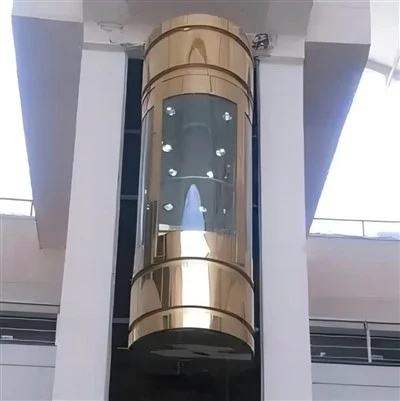
When it comes to the installation of a single passenger lift, one crucial aspect that often goes overlooked is soundproofing. A quiet lift not only enhances the user experience but also ensures that the elevator operation does not cause any disturbances in its surroundings. As a single passenger lift supplier, I'm well - versed in the various soundproofing options available and how they can be implemented to achieve a peaceful and efficient elevator environment.
Understanding the Sources of Lift Noise
Before delving into the soundproofing options, it's essential to understand where the noise in a single passenger lift comes from. There are typically two main sources: mechanical noise and operational noise.
Mechanical noise is generated by the elevator's moving parts, such as the motor, gears, and pulleys. These components produce vibrations as they function, which are then transmitted through the elevator structure and can be heard inside and outside the lift car.
Operational noise, on the other hand, includes the sounds made during the opening and closing of doors, as well as the movement of the elevator along the guide rails. The friction between different parts and the air displacement during operation also contribute to this type of noise.
Soundproofing Options
1. Insulation Materials
- Fiberglass Insulation: Fiberglass insulation is a popular choice for soundproofing in elevator systems. It works by absorbing sound waves through its fibrous structure. Installing fiberglass insulation around the motor room and the elevator shaft can significantly reduce the transmission of mechanical noise. The insulation material traps the sound within its fibers, converting the sound energy into heat energy. This is particularly effective for reducing low - frequency noise generated by the motor and mechanical components.
- Acoustic Foam: Acoustic foam is another effective soundproofing material. It is designed to absorb high - frequency sounds, making it ideal for reducing the sharp noises associated with door operations and the movement of smaller parts inside the lift. Acoustic foam can be installed on the interior walls of the lift car and the shaft to create a more peaceful environment. Its porous structure helps in breaking up sound waves and preventing them from bouncing around, thus reducing the overall noise level.
2. Isolation Techniques
- Vibration Isolation Mounts: Vibration isolation mounts are used to separate the mechanical components of the elevator, such as the motor and the control panel, from the main structure. These mounts are made of rubber or other flexible materials that absorb and dampen vibrations. When the mechanical parts vibrate during operation, the isolation mounts prevent the vibrations from being transferred to the building structure, which in turn reduces the noise transmitted to the surrounding areas. This is a highly effective way of reducing the low - frequency rumbling noise that can sometimes be felt as well as heard.
- Sound - Isolating Flooring: Installing sound - isolating flooring in the lift car can also help reduce noise. These floors are designed to absorb the impact noise generated by the movement of passengers and the elevator itself. They can be made of materials like rubber or cork, which have excellent sound - absorbing properties. Sound - isolating flooring not only reduces the noise inside the lift car but also helps in preventing the noise from being transmitted to the floors below and above the elevator.
3. Sealing and Gaskets
- Door Seals: The doors of a single passenger lift are a significant source of noise leakage. Properly installed door seals can prevent the sound from escaping the lift car. High - quality rubber or silicone seals can be used around the edges of the doors to create an airtight seal. When the doors close, these seals compress, blocking the passage of sound waves. This not only reduces the noise inside the lift but also prevents outside noise from entering the car.
- Shaft Sealing: Sealing the elevator shaft is another important step in soundproofing. Any gaps or openings in the shaft can allow sound to escape and travel to other areas of the building. Sealing materials such as acoustic caulk can be used to fill in these gaps, creating a more sound - tight environment. This helps in containing the noise generated by the elevator's operation within the shaft.
Specific Considerations for Different Lift Types
Machine Room Passenger Elevator
Machine Room Passenger Elevators, like the ones you can learn more about at Machine Room Passenger Elevator, have a dedicated machine room where the motor and control systems are located. Soundproofing the machine room is of utmost importance. In addition to using insulation materials, the machine room can be designed with double - wall construction. The space between the two walls can be filled with insulation, providing an extra layer of sound protection. Also, installing a sound - absorbing ceiling in the machine room can help in reducing the reverberation of sound within the room.


MRL Passenger Elevator
MRL (Machine - Room - Less) Passenger Elevators, as described on MRL Passenger Elevator, have the motor and control systems installed directly in the hoistway. For these types of elevators, extra care must be taken to isolate the mechanical components from the elevator car. Using vibration - isolating mounts and sleeve bearings can help in reducing the noise transmitted from the motor to the car. Additionally, sound - absorbing panels can be installed on the sides of the hoistway to reduce the noise that travels along the shaft.
2 Passenger Lift
The design and soundproofing requirements for a 2 Passenger Lift can be somewhat different from a single passenger lift. With more passengers, there may be more movement and noise inside the car. In addition to the general soundproofing measures mentioned above, the interior of a 2 passenger lift can be designed with thicker walls and better sound - absorbing materials to accommodate the increased noise level. Also, the door mechanisms may need to be more robustly soundproofed to prevent the transfer of noise between the car and the outside.
Conclusion
In conclusion, soundproofing is a vital aspect of single passenger lift installation. By understanding the sources of noise and implementing the appropriate soundproofing options, we can create a quiet and comfortable environment for elevator users. Whether it's using insulation materials, isolation techniques, or proper sealing, each measure plays an important role in reducing the noise level.
As a single passenger lift supplier, I'm committed to providing the highest quality lifts with excellent soundproofing capabilities. Our team of experts can work with you to assess your specific needs and recommend the best soundproofing solutions for your project. If you're interested in learning more about our single passenger lifts or would like to discuss the soundproofing options further, we encourage you to contact us for a detailed consultation. We look forward to the opportunity to serve you and help you find the perfect elevator solution for your space.
References
- "Elevator Design and Installation Handbook", XYZ Publishing
- "Soundproofing Techniques for Mechanical Systems", ABC Academic Press
- Industry reports on elevator acoustics from leading research institutions