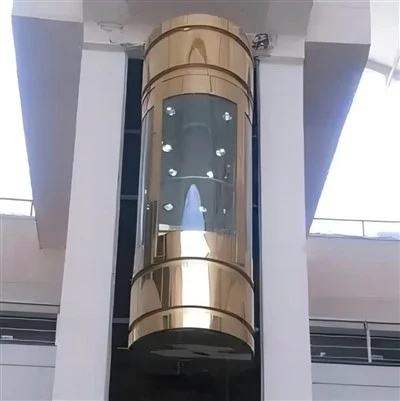
Hey there! I'm a supplier of Traction Passenger Lifts, and today I wanna chat about something that's super important but often overlooked: the noise level of a Traction Passenger Lift.
So, what exactly is the noise level of a Traction Passenger Lift? Well, it can vary quite a bit depending on several factors. First off, let's talk about what causes the noise in the first place.
Sources of Noise in Traction Passenger Lifts
There are a few main sources of noise in these lifts. One of the biggest culprits is the machinery. The motor, gears, and pulleys all make noise as they work to move the lift up and down. The motor is the heart of the lift, and it has to generate a lot of power to get the cabin moving. As it runs, it can produce a humming or buzzing sound.
The gears and pulleys also play a role. They transfer the power from the motor to the lift cables, and as they turn, they can create a clicking or grinding noise. This is especially true if the gears are not properly lubricated or if there's some wear and tear.
Another source of noise is the movement of the lift cabin itself. As it travels up and down the shaft, it can create wind noise. The air rushes past the cabin, and depending on the speed and design of the lift, this can result in a whooshing or whistling sound.
The doors of the lift can also be a source of noise. When they open and close, they make a mechanical sound. If the door mechanisms are not well-maintained, this noise can be quite loud.
Factors Affecting the Noise Level
Now, let's look at the factors that can affect the noise level of a Traction Passenger Lift.
1. Lift Speed
Faster lifts generally make more noise. When the lift is moving at a high speed, the wind noise and the noise from the machinery increase. So, if you have a high-rise building and you need a lift that can travel quickly between floors, you might have to deal with a bit more noise.
2. Lift Design
The design of the lift can have a big impact on the noise level. Some lifts are designed with noise reduction in mind. They use special insulation materials in the cabin and the shaft to absorb sound. The shape of the cabin can also affect the wind noise. A well-designed cabin will have a streamlined shape that reduces the amount of air turbulence and, therefore, the wind noise.
3. Maintenance
Proper maintenance is crucial for keeping the noise level of a Traction Passenger Lift under control. Regularly lubricating the gears and pulleys, checking the door mechanisms, and inspecting the motor can all help to reduce noise. If the lift is not maintained properly, the noise level can gradually increase over time.
4. Installation
How the lift is installed also matters. If the lift is not installed correctly, it can cause vibrations and extra noise. The lift should be properly aligned in the shaft, and the mounting points should be secure.
Acceptable Noise Levels
So, what's an acceptable noise level for a Traction Passenger Lift? Well, different countries and regions have different standards. In general, the noise level inside the lift cabin should be low enough so that it doesn't cause discomfort to the passengers.
Most standards specify a maximum noise level in decibels (dB). For example, in a residential building, the noise level inside the lift cabin might be limited to around 50 - 60 dB when the lift is in motion. In a commercial building, the limit might be slightly higher, around 60 - 70 dB.
It's important to note that these are just general guidelines, and the actual acceptable noise level can depend on the specific application and the expectations of the building occupants.
How We Ensure Low Noise Levels in Our Traction Passenger Lifts
As a supplier of Traction Passenger Lifts, we take noise reduction very seriously. We use state-of-the-art technology and high-quality materials to minimize the noise generated by our lifts.
1. Advanced Motor Technology
Our lifts are equipped with advanced motors that are designed to be quiet. These motors use the latest in electrical engineering to reduce the amount of noise they produce while still providing the necessary power.
2. Noise Insulation
We use high-quality insulation materials in the cabin and the shaft of our lifts. These materials absorb sound and prevent it from spreading. The insulation is carefully installed to ensure maximum effectiveness.


3. Precision Engineering
Our lifts are built with precision engineering. The gears, pulleys, and other mechanical components are carefully designed and manufactured to fit together perfectly. This reduces the amount of vibration and noise generated by the machinery.
4. Regular Maintenance Programs
We offer regular maintenance programs for our lifts. Our technicians are trained to identify and fix any potential noise issues before they become a problem. They check the lubrication of the gears, the alignment of the cabin, and the operation of the doors on a regular basis.
Different Types of Passenger Lifts and Their Noise Levels
We also offer other types of passenger lifts, such as the MRL Passenger Elevator, Passenger Platform Lift, and Commercial Passenger Elevator. Each of these types of lifts has its own characteristics when it comes to noise levels.
The MRL Passenger Elevator is known for its compact design and energy efficiency. It also tends to be relatively quiet because it uses a machine-room-less design, which reduces the amount of noise from the machinery.
The Passenger Platform Lift is often used in smaller buildings or for wheelchair access. It usually has a lower noise level because it operates at a slower speed and has a simpler design.
The Commercial Passenger Elevator is designed for high-traffic commercial buildings. It needs to be able to handle a large number of passengers and travel quickly between floors. While it might be a bit louder than the other types of lifts, we still take steps to ensure that the noise level is within acceptable limits.
Why Noise Level Matters
You might be wondering why the noise level of a Traction Passenger Lift is so important. Well, there are a few reasons.
1. Passenger Comfort
No one wants to ride in a noisy lift. A high noise level can be distracting and uncomfortable for the passengers. It can make the ride unpleasant and even cause stress. By keeping the noise level low, we can provide a more comfortable experience for the people using the lift.
2. Building Reputation
The noise level of the lifts in a building can affect the building's reputation. If the lifts are too noisy, it can give a negative impression to the tenants, visitors, and potential buyers. On the other hand, quiet and well-maintained lifts can enhance the overall image of the building.
3. Compliance with Regulations
As I mentioned earlier, there are often regulations regarding the noise level of lifts. By ensuring that our lifts meet these regulations, we can help our customers avoid any legal issues.
Contact Us for Your Lift Needs
If you're in the market for a Traction Passenger Lift or any of our other types of passenger lifts, we'd love to hear from you. We can provide you with more information about the noise levels of our lifts, as well as other features and benefits. Whether you're building a new residential complex, a commercial building, or need a lift for a specific application, we have the expertise and the products to meet your needs.
Don't hesitate to reach out to us for a consultation. We'll work with you to find the best lift solution for your project and ensure that you get a quiet and reliable lift that meets your expectations.
References
- Building codes and standards related to lift noise levels in different countries.
- Technical literature from lift manufacturers on noise reduction technologies.