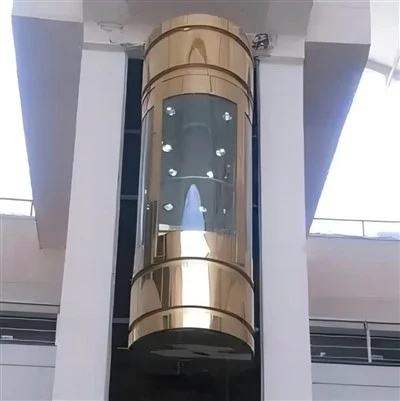
As a supplier of passenger lifts, I understand the critical importance of air quality within these enclosed spaces. Passenger lifts are used by a wide range of people on a daily basis, from office workers and shoppers to residents in apartment buildings. Ensuring good air quality is not only essential for the comfort of passengers but also for their health and well - being. In this blog, I will delve into the air - quality requirements for passenger lifts and explain how we, as a lift supplier, address these needs.
The Importance of Air Quality in Passenger Lifts
The confined nature of a passenger lift means that air can quickly become stale and polluted. Passengers bring in various contaminants such as dust, body odors, and potentially harmful microorganisms. In addition, the lift machinery itself can emit small amounts of pollutants, such as lubricants and electrical emissions. Poor air quality can lead to a range of issues, including discomfort, headaches, respiratory problems, and even the spread of infectious diseases.
Good air quality in a passenger lift can enhance the overall user experience. Passengers are more likely to feel comfortable and at ease when the air they breathe is fresh and clean. This can also have a positive impact on the reputation of the building where the lift is installed. For commercial buildings, it can contribute to a more pleasant environment for employees and customers, potentially increasing productivity and customer satisfaction.
Air - Quality Requirements
Ventilation
Proper ventilation is the cornerstone of good air quality in passenger lifts. The lift should be equipped with a ventilation system that can exchange the air inside the lift car with fresh air from the outside at a sufficient rate. According to industry standards, the ventilation rate should be at least 0.5 air changes per hour. This means that the entire volume of air inside the lift car should be replaced with fresh air at least half a time every hour.
In addition to the minimum ventilation rate, the ventilation system should also be designed to ensure uniform air distribution within the lift car. This helps to prevent the formation of stagnant air pockets where pollutants can accumulate. The air intake and exhaust vents should be strategically placed to achieve this goal. For example, the intake vent can be located at the bottom of the lift car to draw in fresh air, while the exhaust vent can be placed at the top to expel stale air.
Filtration
Filtration is another important aspect of air - quality control in passenger lifts. A high - quality air filter should be installed in the ventilation system to remove dust, pollen, and other particulate matter from the incoming air. The filter should have a high efficiency in capturing small particles, typically with a Minimum Efficiency Reporting Value (MERV) of at least 8.
In addition to particulate matter, the filter should also be capable of removing gaseous pollutants such as volatile organic compounds (VOCs). Some advanced filters use activated carbon to adsorb VOCs and other odorous substances. Regular maintenance of the filter is crucial to ensure its effectiveness. The filter should be replaced or cleaned according to the manufacturer's recommendations, usually every 3 to 6 months.
Humidity Control
Maintaining the right humidity level is also important for air quality in passenger lifts. High humidity can create a breeding ground for mold and bacteria, while low humidity can cause dryness and discomfort for passengers. The relative humidity inside the lift car should be maintained between 30% and 60%.
Humidity control can be achieved through the use of a dehumidifier or a humidifier, depending on the environmental conditions. In areas with high humidity, a dehumidifier can be installed in the ventilation system to remove excess moisture from the air. In dry climates, a humidifier can be used to add moisture to the air and prevent dryness.
Our Solutions as a Passenger Lift Supplier
As a leading supplier of passenger lifts, we are committed to providing lifts that meet the highest air - quality standards. Our MRL Passenger Elevator is equipped with a state - of - the - art ventilation system that ensures a high ventilation rate and uniform air distribution. The ventilation system is designed to draw in fresh air from the outside and expel stale air efficiently.
We also use high - efficiency air filters in our lifts. Our filters have a MERV rating of at least 10, which means they can capture a large percentage of small particles. In addition, our filters are treated with activated carbon to remove VOCs and odors. We recommend regular filter replacement to ensure optimal performance.


For humidity control, our Traction Passenger Elevator models are available with optional dehumidifiers and humidifiers. These devices are integrated into the ventilation system and can be adjusted according to the environmental conditions.
Our Passenger Platform Lift also adheres to strict air - quality requirements. Although it is a smaller lift, we ensure that it has proper ventilation and filtration to provide a comfortable and healthy environment for passengers.
Conclusion
Air quality in passenger lifts is a crucial factor that should not be overlooked. By meeting the ventilation, filtration, and humidity control requirements, we can provide a safe and comfortable environment for passengers. As a passenger lift supplier, we are dedicated to continuously improving our products to meet and exceed these air - quality standards.
If you are in the market for a passenger lift and are concerned about air quality, we would be more than happy to discuss your needs and provide you with the best solutions. Contact us today to start the procurement and negotiation process. We look forward to working with you to create a better lift experience for your passengers.
References
- American Society of Heating, Refrigerating and Air - Conditioning Engineers (ASHRAE). ASHRAE Standard 62.1 - Ventilation for Acceptable Indoor Air Quality.
- International Organization for Standardization (ISO). ISO 16813 - Building environment design - Indoor environmental input parameters for design and assessment of environmental performance of buildings addressing indoor air quality, thermal environment, lighting and acoustics.