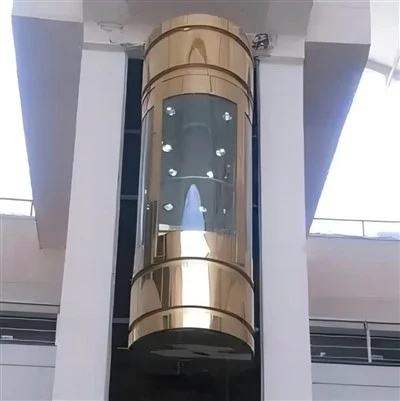
As a supplier of hydraulic villa lifts, I've had the privilege of installing and maintaining these remarkable pieces of machinery in numerous elegant villas. Hydraulic villa lifts are a popular choice for homeowners due to their smooth operation, reliability, and ability to blend seamlessly into the home's architecture. However, like any complex mechanical system, they are not without their challenges. In this blog post, I'll share some of the common problems that can occur with hydraulic villa lifts and discuss how to address them.
Leaking Hydraulic Fluid
One of the most common issues with hydraulic villa lifts is leaking hydraulic fluid. Hydraulic systems rely on fluid to transmit power and operate the lift car. Over time, seals and gaskets can wear out, leading to fluid leaks. These leaks can occur at various points in the system, including the hydraulic cylinder, hoses, and valves.
A small leak may not immediately affect the lift's performance, but it can lead to more significant problems if left unaddressed. Leaking fluid can cause the hydraulic system to lose pressure, resulting in slower operation or even a complete failure of the lift. Additionally, hydraulic fluid is often a fire hazard, so it's crucial to fix leaks promptly to prevent safety risks.
To identify a hydraulic fluid leak, look for signs of fluid pooling around the lift shaft or hydraulic components. You may also notice a decrease in the lift's performance or a strange odor. If you suspect a leak, it's essential to contact a professional lift technician immediately. They can locate the source of the leak and replace the damaged seals or gaskets.
Contaminated Hydraulic Fluid
Contaminated hydraulic fluid is another common problem that can affect the performance of hydraulic villa lifts. Over time, dirt, debris, and other contaminants can enter the hydraulic system, causing damage to the components. Contaminated fluid can also lead to increased wear and tear on the seals and gaskets, increasing the risk of leaks.
To prevent contaminated hydraulic fluid, it's important to follow the manufacturer's recommended maintenance schedule. This includes regularly changing the hydraulic fluid and filters. Additionally, it's a good idea to keep the area around the lift clean and free of debris.
If you suspect that the hydraulic fluid in your lift is contaminated, it's essential to have it tested by a professional. They can determine the level of contamination and recommend the appropriate course of action. In some cases, the fluid may need to be completely replaced, while in others, a simple filter change may be sufficient.
Electrical Problems
Electrical problems can also occur with hydraulic villa lifts. These problems can range from minor issues, such as a blown fuse, to more significant issues, such as a malfunctioning control panel. Electrical problems can cause the lift to stop working or operate erratically, posing a safety risk to passengers.
To prevent electrical problems, it's important to have the lift's electrical system inspected regularly by a qualified electrician. They can check for loose connections, damaged wiring, and other potential issues. Additionally, it's a good idea to keep the lift's control panel clean and free of dust and debris.
If you experience an electrical problem with your lift, it's essential to contact a professional lift technician immediately. They can diagnose the problem and make the necessary repairs. Do not attempt to repair the electrical system yourself, as this can be dangerous.
Noise and Vibration
Noise and vibration are common complaints among hydraulic villa lift owners. These issues can be caused by a variety of factors, including worn-out components, loose connections, and improper installation. Noise and vibration can be not only annoying but also a sign of a more significant problem with the lift.
To reduce noise and vibration, it's important to have the lift inspected regularly by a professional. They can check for worn-out components, such as bearings and bushings, and replace them as needed. Additionally, they can tighten any loose connections and ensure that the lift is properly installed.
If you experience excessive noise or vibration with your lift, it's essential to contact a professional lift technician immediately. They can diagnose the problem and make the necessary repairs.
Slow Operation
Slow operation is another common problem that can occur with hydraulic villa lifts. This issue can be caused by a variety of factors, including low hydraulic fluid levels, a clogged filter, or a malfunctioning pump. Slow operation can be not only inconvenient but also a sign of a more significant problem with the lift.
To address slow operation, it's important to have the lift inspected regularly by a professional. They can check the hydraulic fluid levels, replace the filter if necessary, and test the pump to ensure that it is functioning properly. Additionally, they can check for any other issues that may be causing the slow operation, such as a worn-out motor or a malfunctioning control panel.
If you experience slow operation with your lift, it's essential to contact a professional lift technician immediately. They can diagnose the problem and make the necessary repairs.
Door Malfunctions
Door malfunctions are a common problem with hydraulic villa lifts. These issues can range from minor problems, such as a door that won't close properly, to more significant problems, such as a door that opens unexpectedly. Door malfunctions can pose a safety risk to passengers, so it's essential to address them promptly.


To prevent door malfunctions, it's important to have the lift's doors inspected regularly by a professional. They can check for worn-out components, such as hinges and rollers, and replace them as needed. Additionally, they can adjust the door sensors to ensure that they are functioning properly.
If you experience a door malfunction with your lift, it's essential to contact a professional lift technician immediately. They can diagnose the problem and make the necessary repairs. Do not attempt to repair the doors yourself, as this can be dangerous.
Conclusion
Hydraulic villa lifts are a reliable and convenient way to add accessibility and value to your home. However, like any complex mechanical system, they are not without their challenges. By being aware of the common problems that can occur with hydraulic villa lifts and taking steps to prevent and address them, you can ensure that your lift operates safely and efficiently for years to come.
If you're considering installing a hydraulic villa lift in your home, I encourage you to explore our range of Hydraulic Lift For Villas. Our lifts are designed to provide smooth, reliable operation and are available in a variety of styles and configurations to suit your needs. We also offer Premium Elevator options for those who want the ultimate in luxury and performance. And if you have limited space, our Compact Residential Lift is the perfect solution.
If you have any questions or would like to discuss your lift requirements, please don't hesitate to contact us. Our team of experts is here to help you find the perfect lift for your home and ensure that it is installed and maintained to the highest standards.
References
- "Hydraulic Elevator Maintenance Guide." Elevator World, Inc.
- "Common Problems with Hydraulic Lifts and How to Fix Them." Lift Maintenance Magazine.
- "Electrical Safety in Elevators." National Fire Protection Association.