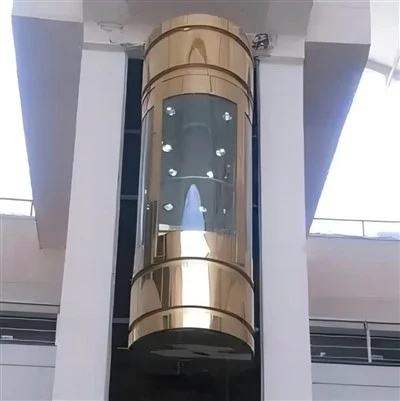
As a seasoned provider of observation elevators, I've witnessed firsthand the critical role that ventilation systems play in these unique vertical transportation solutions. Observation elevators are not just a means of getting from one floor to another; they are a statement piece, offering passengers a breathtaking view of their surroundings while in transit. However, to ensure a comfortable and safe journey, a well-designed ventilation system is essential.
The Importance of Ventilation in Observation Elevators
Observation elevators are often installed in high-rise buildings, hotels, shopping malls, and other public spaces where large numbers of people use them daily. These elevators are typically made of glass or other transparent materials, which allow passengers to enjoy the view outside. However, this also means that the elevator car can quickly heat up due to sunlight and the heat generated by passengers. Without proper ventilation, the temperature inside the elevator car can become uncomfortable, and passengers may experience symptoms such as dizziness, nausea, and fatigue.
In addition to temperature control, ventilation systems also play a crucial role in maintaining air quality inside the elevator car. As passengers enter and exit the elevator, they bring in dust, pollen, and other pollutants. Without proper ventilation, these pollutants can accumulate inside the elevator car, leading to poor air quality and potential health problems for passengers.
Components of a Ventilation System in an Observation Elevator
A typical ventilation system in an observation elevator consists of several components, including an air intake, an air filter, a fan, and an air outlet. The air intake is usually located at the bottom of the elevator car and is designed to draw in fresh air from outside. The air filter is used to remove dust, pollen, and other pollutants from the incoming air, ensuring that the air inside the elevator car is clean and healthy.
The fan is responsible for circulating the air inside the elevator car. It draws in fresh air from the air intake, passes it through the air filter, and then blows it into the elevator car. The air outlet is usually located at the top of the elevator car and is designed to expel the stale air from inside the elevator car.
Types of Ventilation Systems in Observation Elevators
There are several types of ventilation systems that can be used in observation elevators, including natural ventilation, mechanical ventilation, and hybrid ventilation.
Natural Ventilation
Natural ventilation is the simplest and most cost-effective type of ventilation system. It relies on the natural movement of air to circulate fresh air inside the elevator car. This can be achieved by installing vents or windows in the elevator car that allow fresh air to enter and stale air to exit. However, natural ventilation is only effective in mild weather conditions and may not be sufficient in hot or humid climates.
Mechanical Ventilation
Mechanical ventilation is a more complex and expensive type of ventilation system. It uses fans and ducts to circulate fresh air inside the elevator car. This type of ventilation system is more effective in hot or humid climates and can be used to control the temperature and humidity inside the elevator car. Mechanical ventilation systems can be further classified into two types: positive pressure ventilation and negative pressure ventilation.
Positive pressure ventilation systems use fans to blow fresh air into the elevator car, creating a positive pressure inside the car. This helps to prevent the entry of pollutants and stale air from outside. Negative pressure ventilation systems, on the other hand, use fans to draw stale air out of the elevator car, creating a negative pressure inside the car. This helps to expel the pollutants and stale air from inside the elevator car.
Hybrid Ventilation
Hybrid ventilation systems combine the advantages of natural ventilation and mechanical ventilation. They use natural ventilation to provide fresh air during mild weather conditions and mechanical ventilation to provide additional ventilation during hot or humid climates. Hybrid ventilation systems are more energy-efficient than mechanical ventilation systems and can provide a more comfortable and healthy environment for passengers.
Design Considerations for Ventilation Systems in Observation Elevators
When designing a ventilation system for an observation elevator, several factors need to be considered, including the size and capacity of the elevator car, the location and orientation of the elevator, the climate and weather conditions, and the number of passengers using the elevator.
The size and capacity of the elevator car will determine the amount of air that needs to be circulated inside the car. A larger elevator car will require a more powerful ventilation system to ensure that the air inside the car is properly circulated. The location and orientation of the elevator will also affect the ventilation system. An elevator located in a sunny or windy location may require a different ventilation system than an elevator located in a shaded or sheltered location.
The climate and weather conditions will also play a crucial role in the design of the ventilation system. In hot and humid climates, a mechanical ventilation system may be required to provide additional cooling and dehumidification. In cold climates, a ventilation system may need to be designed to prevent the entry of cold air into the elevator car.
Finally, the number of passengers using the elevator will also affect the ventilation system. An elevator that is used by a large number of passengers will require a more powerful ventilation system to ensure that the air inside the car is properly circulated and that the air quality is maintained.
Benefits of a Well-Designed Ventilation System in an Observation Elevator
A well-designed ventilation system in an observation elevator offers several benefits, including improved comfort, enhanced safety, and increased energy efficiency.

Improved Comfort
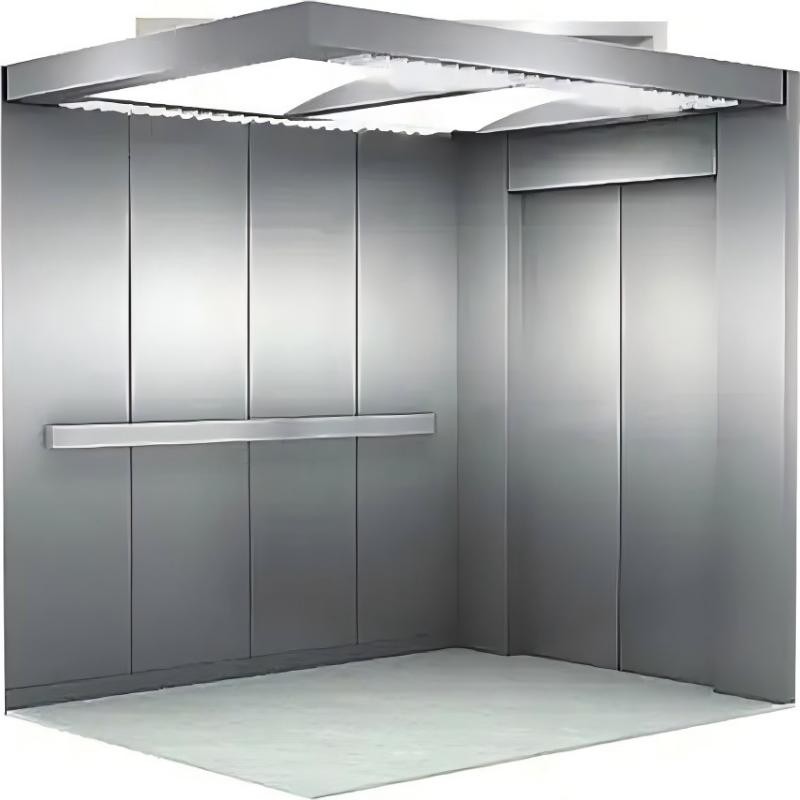
A well-designed ventilation system can help to maintain a comfortable temperature and humidity level inside the elevator car, ensuring that passengers are comfortable during their journey. This can help to reduce the risk of heat-related illnesses and improve the overall passenger experience.
Enhanced Safety
A well-designed ventilation system can also help to improve the safety of passengers. By removing pollutants and stale air from inside the elevator car, a ventilation system can help to prevent the spread of airborne diseases and reduce the risk of fire and smoke inhalation.
Increased Energy Efficiency
A well-designed ventilation system can also help to reduce energy consumption and costs. By using natural ventilation or a hybrid ventilation system, an elevator can reduce its reliance on mechanical ventilation, which can help to save energy and reduce operating costs.
Conclusion
In conclusion, a well-designed ventilation system is essential for ensuring a comfortable and safe journey in an observation elevator. As a provider of observation elevators, we understand the importance of ventilation systems and offer a range of ventilation solutions to meet the specific needs of our customers. Whether you are looking for a natural ventilation system, a mechanical ventilation system, or a hybrid ventilation system, we can help you find the right solution for your elevator.
If you are interested in learning more about our observation elevators and ventilation systems, please [contact us for procurement and negotiation]. We would be happy to discuss your specific needs and provide you with a customized solution.
References
- ASHRAE Handbook - HVAC Systems and Equipment. American Society of Heating, Refrigerating and Air-Conditioning Engineers, Inc.
- Elevator Safety Code. National Fire Protection Association.
- Ventilation for Acceptable Indoor Air Quality. American Society of Heating, Refrigerating and Air-Conditioning Engineers, Inc.